
Let us be honest about something before we begin.
The phrase “skin whitening” carries a lot of weight in India – and not all of it is useful or accurate. For decades, a multi-billion-rupee industry has sold fairness creams, whitening serums, and bleaching products to Indian consumers using marketing that conflated skin tone with attractiveness and social worth. That legacy has left real confusion about what skin whitening treatments actually are, what they can reasonably achieve, and – most importantly – whether the treatments being offered are safe or whether they are simply aggressive, harsh agents that damage the skin under the promise of lightening it.
The reality is considerably more nuanced and considerably more hopeful than either the fairness cream industry or its critics tend to suggest.
On one side: no topical cream, serum, or quick treatment can permanently change your natural skin tone. Your melanin production is genetic – determined before you were born. Products that promise to “whiten” your skin are typically either ineffective, using the wrong language for legitimate treatment, or in the worst cases, containing harmful ingredients like mercury, hydroquinone at unsafe concentrations, or unregulated steroids.
On the other side: there is a clinically legitimate, medically validated category of skin brightening and pigmentation reduction treatments that genuinely work – not by altering your natural skin tone, but by addressing the excess, patchy, or irregular pigmentation that has accumulated from UV exposure, post-acne marks, hormonal changes, pollution, and ageing. Treating this kind of pigmentation produces skin that looks brighter, more even, more radiant, and – yes – clearer. Not because the skin’s base tone has changed, but because the excess melanin that was sitting on top of your natural tone has been addressed.
This is the honest, science-based version of skin brightening – and this is what we are going to discuss in this guide.
What is Actually Happening When Skin Looks “Dark” or “Dull”?
To understand brightening treatments, you first need to understand what creates the skin appearance that people typically seek to improve.
Melanin is the pigment that gives skin, hair, and eyes their colour. It is produced by melanocytes – specialised cells in the basal layer of the epidermis – in response to sun exposure, hormonal signals, inflammation, and other triggers. Melanin’s primary biological function is protective – it absorbs UV radiation and converts it to heat, protecting the DNA of skin cells from UV damage.
The amount of melanin your skin produces at baseline is largely genetic – your constitutional skin tone. But on top of that baseline, a range of triggers causes additional, concentrated, or irregular melanin production that creates the pigmentation issues most patients want to address:
- UV exposure (sun damage): Prolonged UV exposure triggers melanocytes to produce more melanin – producing the tanning and sun spotting that accumulates over years of Mumbai’s year-round sun exposure. This is one of the most common drivers of uneven skin tone among Mumbai’s adult population.
- Post-inflammatory hyperpigmentation (PIH): Any inflammation in the skin – acne, a cut, a burn, waxing irritation, an allergic reaction – can trigger melanocytes to produce excess melanin in the inflamed area as a healing response. This is why pimples leave dark marks, why waxing leaves darkened patches, and why even a small skin injury can produce a brown spot that persists for months. PIH is extremely common in medium-to-dark Indian skin types, where melanocytes are more reactive to inflammatory triggers.
- Melasma: A chronic, hormonally driven condition in which certain areas of the face – typically the cheeks, forehead, upper lip, and nose – produce excess melanin in response to oestrogen, progesterone, and UV exposure. Melasma is particularly prevalent among Indian women, especially during pregnancy, while on hormonal contraception, or with PCOS. It is one of the most challenging pigmentation conditions to treat – requiring ongoing management rather than a one-time cure.
- Pollution and oxidative stress: Mumbai’s urban air pollution generates free radicals – unstable molecules that trigger oxidative stress in skin cells, stimulating defensive melanin production. This is a contributing factor to the dull, grey, uneven tone that many Mumbai residents notice in their skin compared to how it looks when they are outside the city for extended periods.
- Ageing: Skin cell turnover slows with age – meaning that pigmented, older cells are shed more slowly and spend more time on the skin surface. Combined with decades of accumulated UV exposure, this produces the age spots, uneven tone, and dullness characteristic of ageing skin.
What brightening and pigmentation treatments address is this accumulated, excess, or irregular melanin – not the natural, genetic baseline of your skin tone. The goal is skin that looks like the clearest, most radiant version of your own natural complexion – not a lighter version of someone else’s.
The Difference Between Skin Whitening, Skin Brightening, and Skin Lightening
These three terms are used interchangeably in popular culture but mean different things clinically – and understanding the distinction helps you evaluate what you are actually looking for.
- Skin whitening (as marketed): Usually a marketing term with no specific clinical definition. Products sold as “skin whitening” vary enormously – from legitimate brightening ingredients at effective concentrations, to ineffective products with no real pigmentation-modifying action, to genuinely harmful products containing mercury, unregulated hydroquinone, or topical steroids. The term itself means nothing specific. Evaluate the ingredients and the clinical evidence, not the label.
- Skin brightening: The clinical goal of improving skin radiance, luminosity, and overall glow – primarily through improving cell turnover, skin hydration, antioxidant protection, and the removal of dead, dulling surface cells. Brightening treatments do not specifically target concentrated pigmentation but improve the overall quality and luminosity of the complexion. Examples: regular exfoliation, vitamin C treatments, antioxidant serums, superficial chemical peels.
- Skin lightening (or depigmentation): The targeted reduction of specific, excess, or concentrated pigmentation – dark spots, PIH, melasma, sun damage – through treatments that inhibit melanin synthesis, accelerate the shedding of pigmented cells, or break down existing melanin deposits. This is the clinically meaningful category – with specific, evidence-based treatments that produce measurable pigmentation reduction. Examples: tyrosinase-inhibiting topicals, medical-grade chemical peels, laser pigmentation treatments, Glutathione IV therapy.
When Mumbai patients say they want skin whitening, they almost always mean one or both of brightening and lightening – a more even, more radiant, clearer complexion, with reduction in dark spots and uneven tone. This is entirely achievable through clinical treatment. The appropriate treatment – or combination of treatments – depends on the specific type and cause of your pigmentation.
The Safest and Most Effective Skin Brightening Treatments Available in Mumbai
1. Medical-Grade Chemical Peels – The Foundation of Clinical Brightening
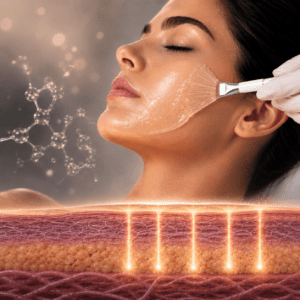
Chemical peels are among the most clinically evidence-based and widely performed skin brightening treatments available in Mumbai – and they remain the most effective in-clinic tool for improving overall skin tone, reducing post-acne marks, and addressing mild-to-moderate hyperpigmentation from UV damage.
A chemical peel uses a precisely formulated acid solution – applied to the skin in a clinical setting – to accelerate the shedding of the outermost skin layers, removing pigmented, damaged cells and stimulating the production of fresher, more evenly toned cells beneath. The collagen-stimulating effect of medium-depth peels also contributes to improved skin quality and firmness beyond the brightening effect.
Which peels work for Indian skin in Mumbai?
This is where clinical expertise matters enormously. Not all chemical peels are safe for medium-to-dark Indian skin tones – and the wrong peel at the wrong concentration can actually worsen pigmentation by triggering post-inflammatory hyperpigmentation in melanin-rich skin.
- Mandelic acid peels are the most appropriate brightening peel for the majority of Mumbai patients with Fitzpatrick III–V skin types. Mandelic acid’s larger molecular size produces slower, more controlled penetration – making it significantly gentler and lower-risk for darker skin tones, while still producing effective brightening and PIH reduction with consistent sessions.
- Salicylic acid peels are the appropriate choice for patients with active acne alongside pigmentation – addressing both the acne and the post-acne marks simultaneously.
- Glycolic acid peels at appropriate concentrations can produce excellent brightening results but require careful parameter management in darker Indian skin – where the risk of PIH from aggressive glycolic application is higher than with mandelic.
- TCA peels at lower concentrations (10–15%) produce more significant per-session improvement for moderate pigmentation – appropriate for the right patient with the right skin assessment and experienced doctor application.
A course of 4–8 chemical peel sessions, spaced 2–4 weeks apart, typically produces visible and significant improvement in skin clarity, tone, and radiance for Mumbai patients dealing with uneven tone, post-acne marks, and sun damage.
2. Glutathione IV Drip – Systemic Skin Brightening from Within

Glutathione IV therapy is one of the most sought-after skin brightening treatments among Mumbai’s adult population – and for good reason. It is also one of the most misunderstood.
Glutathione is the body’s master antioxidant – a tripeptide molecule present in every cell, responsible for neutralising free radicals, supporting liver detoxification, and regulating melanin synthesis. It inhibits tyrosinase – the enzyme that catalyses melanin production – producing a progressive shift in melanin from the darker eumelanin form toward the lighter phaeomelanin form. At therapeutic concentrations, this enzymatic inhibition produces progressive, systemic skin brightening across the full body.
The reason IV administration is clinically superior to oral glutathione supplements – which are widely available in Mumbai pharmacies and online – is bioavailability. A significant proportion of oral glutathione is broken down during digestion before reaching systemic circulation, producing plasma concentrations far below the therapeutic threshold for skin brightening. IV administration delivers glutathione directly into the bloodstream – achieving plasma concentrations 10–100 times higher than equivalent oral doses.
Results from a structured Glutathione IV Drip programme are progressive rather than immediate. The brightening effect builds across sessions as:
- Systemic antioxidant levels are restored – reducing free-radical-driven defensive melanin production from UV and pollution
- Tyrosinase inhibition progressively reduces melanin synthesis
- Natural skin cell turnover replaces older, more pigmented cells with newer cells produced under lower-melanin conditions
Most Mumbai patients require 8–15 sessions for significant skin brightening – with maintenance sessions every 4–8 weeks thereafter to sustain the effect. The results – and this is important – are a brighter, more even, more luminous version of the patient’s own skin. Not an artificially lighter complexion.
Glutathione IV therapy is most effective when combined with daily SPF 50 sunscreen use – because UV exposure continues to drive melanin production that works against the treatment’s mechanism. In Mumbai’s year-round high-UV environment, this is non-negotiable.
Important safety note: Glutathione IV drip must be administered by a qualified medical professional, using pharmaceutical-grade glutathione from verified sources, in a clinical setting with pre-treatment health screening. The unregulated beauty salon market in Mumbai offers IV glutathione administered by unqualified individuals using unverified formulations – this is a genuine patient safety risk. At Brilliance Cosmocare, all IV therapy is administered by trained medical staff following clinical safety protocols.
3. Laser Pigmentation Treatment – Targeted Melanin Reduction
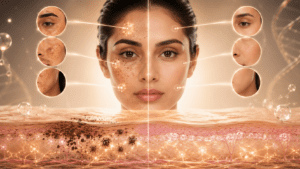
Laser treatment for pigmentation uses specific wavelengths of laser energy that are selectively absorbed by melanin – the chromophore target. When the laser energy is absorbed by a concentrated melanin deposit, it is converted to heat, fragmenting the melanin cluster into smaller particles that are then cleared by the body’s immune system over the following weeks.
Different laser technologies are used for different pigmentation types:
- Q-Switched Nd:YAG laser is the most appropriate and widely evidenced laser for pigmentation treatment on Indian skin (Fitzpatrick III–V). It targets melanin specifically at a wavelength that minimises epidermal heat and the associated PIH risk in darker skin tones. Effective for: café-au-lait spots, melasma, post-acne marks, sun spots, and generalised hyperpigmentation.
- Fractional laser combines pigmentation treatment with collagen stimulation and skin resurfacing – improving both the pigmentation and the overall skin quality simultaneously. Requires careful parameter selection for Indian skin to manage PIH risk.
For Mumbai patients with established, persistent dark spots, melasma, or sun damage that has not adequately responded to topical treatments or chemical peels, laser pigmentation treatment adds a powerful targeted mechanism – directly fragmenting existing melanin deposits rather than simply accelerating their shedding.
Laser pigmentation treatment typically requires 3–8 sessions depending on the type and density of the pigmentation – and is most effective when combined with ongoing chemical peels, topical tyrosinase inhibitors, and strict SPF compliance.
4. Topical Brightening Ingredients – The Home-Based Foundation
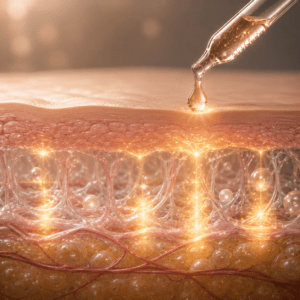
While in-clinic treatments produce the most significant and fastest improvement in skin pigmentation, topical skincare is the foundation that supports, extends, and maintains those clinical results between sessions. The right topical brightening routine – prescribed specifically for your skin concern and skin type – is not a substitute for clinical treatment, but it is a clinically important component of a comprehensive brightening programme.
Clinically validated topical brightening ingredients include:
- Vitamin C (L-ascorbic acid): The most extensively evidenced topical antioxidant. Inhibits tyrosinase, neutralises free radicals (reducing UV-driven melanin production), and contributes to collagen synthesis. Most effective in a stable formulation at 10–20% concentration. Produces gradual brightening with consistent use.
- Niacinamide: Inhibits the transfer of melanosomes (melanin packages) from melanocytes to surrounding skin cells – reducing the distribution of pigment across the skin surface. Also regulates sebum production and supports skin barrier function. Well-tolerated in all skin types including sensitive skin.
- Azelaic acid: Inhibits tyrosinase and has anti-inflammatory and anti-bacterial properties – making it particularly useful for patients with acne alongside pigmentation. Safe for all skin types and approved for use in pregnancy.
- Kojic acid: Derived from fungi; inhibits tyrosinase effectively. Produces visible brightening improvement in consistent use. Carries a small risk of contact sensitisation in a subset of patients.
- Alpha arbutin: A stabilised, gentler derivative of hydroquinone; inhibits tyrosinase without the rebound hyperpigmentation and safety concerns associated with hydroquinone at high concentrations.
- Retinoids (retinol, tretinoin): Accelerate skin cell turnover – increasing the rate at which pigmented cells are shed from the skin surface. Tretinoin (prescription-only) is among the most evidence-based topical agents for both pigmentation reduction and anti-ageing. Requires careful use in darker skin tones – starting at low concentrations to avoid retinoid-induced irritation that can worsen PIH.
At Brilliance Cosmocare, prescribed topical brightening routines are integrated into every clinical brightening programme – the clinic-based treatments and the at-home routine work together, not in isolation.
5. Mesotherapy for Skin Brightening – Microinjected Brightening Cocktails
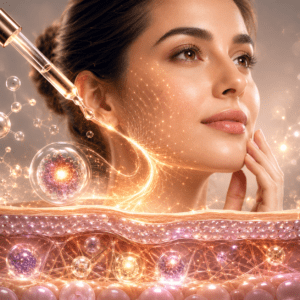
Mesotherapy for skin brightening involves the injection of a customised cocktail of brightening agents – typically including glutathione, vitamin C, alpha arbutin, hyaluronic acid, and antioxidants – directly into the superficial dermis through multiple microinjections across the face or treatment area.
By delivering these active ingredients directly into the dermis – bypassing the skin barrier that limits topical absorption – mesotherapy achieves significantly higher local concentrations of brightening agents than topical application alone. The result is a progressively brighter, more even, and more hydrated complexion with improved skin quality across the full treatment area.
Mesotherapy for brightening is typically performed in a series of 4–8 sessions, spaced 2–3 weeks apart – with visible improvement in skin clarity and tone building across the treatment course. It is particularly effective for patients with generalised skin dullness and mild-to-moderate uneven tone, and works well in combination with chemical peels for patients with more significant pigmentation.
6. Skin Boosters and Hydration Treatments – Brightening Through Hydration
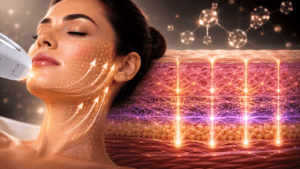
A significant component of dull, uneven skin appearance is dehydration – not just surface dryness, but deep tissue dehydration that reduces skin translucency and luminosity. When the skin is adequately hydrated at the deep tissue level, it reflects light more uniformly and appears brighter, more even, and more glowing – even before any pigmentation reduction has occurred.
This is why treatments like Profhilo – a high-concentration injectable hyaluronic acid that provides deep tissue hydration while stimulating collagen synthesis – produce such a visible and immediately gratifying improvement in skin radiance. The skin is not technically “brighter” in a pigmentation sense – but it looks dramatically more luminous and healthier.
Skin booster injections, high-dose hyaluronic acid facials, and hydration-focused medi-facials all contribute to the deep-hydration component of glowing skin – and are important complementary treatments in any comprehensive skin brightening programme.
What Does NOT Work – The Treatments to Avoid
Alongside the effective clinical treatments above, Mumbai’s skincare market contains a significant number of products and treatments that range from ineffective to genuinely harmful.
Mercury-Based Products
Inorganic mercury – used in some unregulated skin lightening creams as a tyrosinase inhibitor – is toxic. Absorbed through the skin, mercury accumulates in the body and causes kidney damage, neurological effects, and skin damage. Mercury-containing creams are illegal to sell in India but remain available through informal channels. If a cream produces very rapid skin lightening, is imported without clear labeling, or has an unusual metallic smell – these are warning signs.
Unregulated High-Dose Hydroquinone
Hydroquinone is a legitimate, evidence-based depigmenting agent at concentrations of 2–4% under medical supervision. However, unregulated creams with higher concentrations – sold freely in Mumbai’s over-the-counter market – can cause ochronosis (paradoxical permanent bluish-black skin discolouration with prolonged use), excessive sensitivity, and reactive hyperpigmentation when discontinued without proper tapering.
Hydroquinone is appropriate as part of a medically supervised, time-limited treatment programme – not as a long-term, unsupervised daily cream.
Topical Steroid-Containing Creams
A significant and documented problem in Mumbai and across India is the widespread, unsupervised use of topical steroid-containing creams sold over the counter – often marketed as fairness or brightening creams. Short-term steroid application produces temporary skin lightening (through vasoconstriction and suppression of melanin-stimulating processes) – creating the appearance of a lightening effect that reinforces continued use.
Long-term use causes topical steroid skin atrophy, telangiectasia (dilated blood vessels), rebound hyperpigmentation when discontinued, steroid-induced acne, and perioral dermatitis. This is a genuine, widespread patient safety issue in Mumbai – and a condition seen regularly at dermatology clinics across Andheri West.
If a cream from a chemist is producing rapid skin changes, do not assume it is safe. Check the ingredients – if it contains betamethasone, clobetasol, hydrocortisone, mometasone, or other corticosteroids without a prescription indication, stop using it and consult a qualified dermatologist.
Bleaching Facials at Unqualified Establishments
Chemical bleaching – using hydrogen peroxide or other bleaching agents on the face – is a common and entirely inappropriate practice offered at many beauty parlours across Mumbai. This is not a clinical treatment. It does not address melanin at the cellular level. It carries burn and irritation risk. And it produces the opposite of what most patients want – reactive inflammation that drives PIH in darker skin tones.
The Role of SPF in Any Skin Brightening Programme
This cannot be said strongly enough, and it is the point that most Mumbai patients most consistently underestimate: no skin brightening treatment in the world produces durable results without concurrent, daily, consistent SPF 50 sunscreen use.
Every mechanism by which clinical brightening treatments work – tyrosinase inhibition, pigmented cell shedding, melanin fragmentation by laser – is directly counteracted by UV exposure, which continuously drives new melanin production. If you are having chemical peels for melasma while going out in Mumbai’s sun without SPF, the peel is addressing the pigmentation the sun is creating in the same time period. You are running on a treadmill.
SPF 50 broad-spectrum sunscreen applied every morning – and reapplied every 2–3 hours with outdoor sun exposure – is not an optional extra in a brightening programme. It is the single most impactful thing you can do to support the results of every clinical brightening treatment.
For Mumbai patients, a light, non-greasy, photostable SPF 50 formula – preferably with PA+++ or PA++++ UVA protection – is the daily non-negotiable. This is not about fear of the sun. It is about protecting the investment of every treatment session and sustaining the results that clinical treatment is producing.
Building a Comprehensive Skin Brightening Programme in Mumbai
For patients with mild concerns – some dullness and minor post-acne marks – a series of 4–6 chemical peel sessions combined with a prescribed topical brightening routine and daily SPF will typically produce significant improvement.
For patients with more established concerns – melasma, significant PIH, sun damage accumulated over years – a combination approach produces the best outcomes:
Phase 1 – Foundation (Months 1–2): Initiate the prescribed topical brightening routine – niacinamide, vitamin C, azelaic acid – and establish strict daily SPF use. Begin chemical peel sessions every 2–3 weeks. If hormonal contribution to melasma is significant, medical management of the hormonal driver is addressed.
Phase 2 – Active Treatment (Months 2–4): Continue chemical peels. Add laser pigmentation treatment where appropriate – targeting specific concentrated dark spots or areas of melasma that have not adequately responded to peels. Begin Glutathione IV Drip programme for systemic brightening where indicated.
Phase 3 – Maintenance (Ongoing): Monthly to bimonthly maintenance peels. Glutathione maintenance sessions every 4–8 weeks. Consistent topical routine. Ongoing SPF compliance – especially in Mumbai’s year-round UV environment.
This combined approach addresses the problem from multiple levels simultaneously – systemic antioxidant replenishment through IV, targeted melanin reduction through peels and laser, and maintenance of results through topical skincare and SPF. It is the most clinically comprehensive approach available – and at Brilliance Cosmocare, it is how we approach significant pigmentation concerns.
Why Mumbai’s Environment Makes Skin Brightening an Ongoing Priority
Mumbai patients face a specific combination of environmental factors that make pigmentation management an ongoing clinical concern – not a one-time treatment course.
- Year-round UV exposure: Unlike cities in temperate climates where sun exposure is seasonal, Mumbai’s proximity to the equator means UV intensity is significant throughout the year – not just in summer. This means that the UV-driven melanin production that brightening treatments work against is a persistent, year-round force rather than a seasonal one.
- Air pollution: Fine particulate matter from Mumbai’s traffic, industry, and construction generates free radicals on the skin surface – stimulating oxidative melanin production and contributing to the dull, uneven tone that many Mumbai residents notice. Antioxidant skincare – vitamin C, niacinamide – and thorough evening cleansing help manage this environmental contribution.
- Heat and humidity: The skin’s increased metabolic activity in Mumbai’s heat and humidity accelerates melanin turnover and can increase the reactivity of melanocytes to inflammatory and UV triggers – making post-inflammatory pigmentation more pronounced and faster to develop in Mumbai’s climate than in cooler environments.
- Stress: Cortisol – the primary stress hormone elevated chronically in Mumbai’s high-pressure professional population – has downstream effects on melanin regulation through its interaction with the skin’s immune and inflammatory responses. Chronic stress contributes to pigmentation worsening over time for some patients.
Understanding these environmental drivers helps explain why maintenance is essential – and why the brightening programme does not end when the initial treatment course is complete.
Frequently Asked Questions – Skin Whitening Treatments in Mumbai
What is the most effective skin whitening treatment in Mumbai?
The most effective approach to skin brightening in Mumbai for significant or persistent pigmentation is a combination programme – medical-grade chemical peels (mandelic or glycolic, appropriately selected for Indian skin), Glutathione IV Drip for systemic brightening, targeted laser pigmentation treatment where needed, and a clinically prescribed topical brightening routine. No single treatment is as effective as a well-designed combination approach, and all treatments work best when supported by consistent daily SPF 50 use.
Is Glutathione IV drip safe for skin whitening in Mumbai?
Yes – when administered by a qualified medical professional using pharmaceutical-grade glutathione from verified sources in a clinical setting with appropriate pre-treatment health screening. The risks of Glutathione IV therapy are primarily associated with unregulated, non-clinical administration – unqualified practitioners, unverified formulations, and inadequate health assessment. At Brilliance Cosmocare, all IV therapy meets clinical safety standards.
Can skin whitening treatments permanently change my skin tone?
No clinical skin brightening treatment permanently changes your natural, genetically determined skin tone. What these treatments do is address the excess, accumulated, and irregular pigmentation – from UV exposure, post-acne marks, melasma, and pollution – that sits above your natural skin tone. Results are maintained as long as the contributory triggers (sun exposure, inflammation) are managed through SPF compliance and ongoing maintenance treatment.
Which is better for skin brightening – chemical peels or laser in Mumbai?
These treatments address different aspects of pigmentation and are most effective in combination rather than as alternatives. Chemical peels address overall skin tone, surface pigmentation, and skin cell renewal. Laser specifically targets concentrated melanin deposits and can reach deeper pigmentation that peels cannot address. The right choice – or combination – depends on the specific type, depth, and distribution of your pigmentation, assessed at a clinical consultation.
How long does it take to see results from skin brightening treatment in Mumbai?
Visible improvement in overall skin radiance and mild PIH typically begins after 2–3 chemical peel sessions (4–8 weeks). More significant reduction of established dark spots or melasma typically requires 6–10 sessions (3–5 months) of a structured treatment programme. Glutathione IV Drip produces visible brightening from sessions 4–8 as melanin synthesis is progressively reduced. Results continue to improve with ongoing treatment and maintenance.
Is skin whitening treatment safe for Indian skin in Mumbai?
Yes – when the treatments used are appropriate for the specific Fitzpatrick skin type of the patient. The primary safety concern for Indian skin (Fitzpatrick III–V) is post-inflammatory hyperpigmentation – which is a risk with aggressive or inappropriate treatments on melanin-rich skin. At Brilliance Cosmocare, all brightening treatments are selected and calibrated specifically for Indian skin tones – using mandelic and salicylic peels appropriate for darker skin, Nd:YAG laser wavelengths appropriate for Indian skin, and protocols designed to produce effective brightening without triggering reactive pigmentation.
What skincare should I use at home alongside professional brightening treatment in Mumbai?
The most evidence-based home brightening routine for Mumbai patients includes: vitamin C serum in the morning (antioxidant protection from UV and pollution), niacinamide for melanin transfer inhibition and barrier support, azelaic acid for tyrosinase inhibition and anti-inflammatory action, SPF 50 broad-spectrum sunscreen – applied every morning without exception, and a gentle retinoid in the evening where tolerated. Your treating doctor at Brilliance Cosmocare will prescribe a specific routine tailored to your concern and skin type.
Conclusion: Glowing, Even-Toned Skin is Achievable – with the Right Clinical Approach
The aspiration for clearer, more radiant, more even-toned skin is universal – and it is entirely achievable through evidence-based clinical treatment. What is not achievable – and what should be rejected wherever it is promised – is a permanent change to your natural skin tone, dramatic results from a single session, or safe skin lightening from products that bypass proper medical assessment.
The combination of correctly selected chemical peels, Glutathione IV therapy, laser treatment where indicated, a clinically prescribed topical routine, and – above all – consistent daily SPF use produces real, visible, and sustainable improvement in skin clarity and radiance. For Mumbai patients dealing with pigmentation worsened by year-round UV exposure, post-acne marks, melasma, and environmental oxidative stress – these treatments address the actual biological mechanisms driving the concern.
The goal is not to look like someone else. It is to look like the clearest, most radiant version of yourself. That is what clinical skin brightening, done well, consistently delivers.
Ready to Begin Your Skin Brightening Journey in Mumbai?
Book your skin consultation at Brilliance Cosmocare, Andheri West, Mumbai and receive a comprehensive skin assessment, accurate diagnosis of your pigmentation type, and a personalised brightening programme designed for your specific skin tone, concern, and lifestyle.
Serving patients from Andheri, Juhu, Versova, Lokhandwala, Bandra, Santacruz, and across Mumbai.
Brilliance Cosmocare Skin Clinic Andheri West, Mumbai
Call now to book your skin consultation
Glowing skin is not about being lighter. It is about being clearer – free from the excess pigmentation that conceals your natural radiance. That is entirely within reach.