Wart Removal Treatment in Mumbai

Warts – including common warts, flat warts, plantar warts, filiform warts, and genital warts – are among the most prevalent viral skin conditions affecting men and women across Mumbai, caused by various strains of the Human Papillomavirus (HPV) and spread through direct skin contact, contaminated surfaces, or self-inoculation. From single facial warts and clusters of flat warts in younger patients to stubborn plantar warts and periungual warts among patients in Andheri West, Lokhandwala, Versova, and Juhu, warts are both a cosmetic concern and a medical one requiring proper clinical management. At Brilliance Cosmocare, one of Mumbai’s most trusted doctor-led clinics in Andheri West, we offer advanced wart removal treatment using precision electrocautery, radiofrequency (RF) ablation, cryotherapy, or CO2 laser – selecting the optimal technique based on wart type, location, size, and number to achieve complete clearance with minimal scarring and reduced recurrence risk. Our clinical approach combines thorough doctor-led diagnosis (distinguishing warts from other skin growths), targeted destruction of the visible wart and its underlying viral tissue, and structured follow-up to monitor for recurrence – delivering clean, effective wart clearance for patients across Mumbai.

Request a Free Quote

Home Page Form

What is Clinical Wart Removal Treatment?

Clinical wart removal is a medical-grade doctor-led procedure that uses targeted energy-based techniques or cryotherapy to destroy wart tissue – including both the visible wart and the HPV-infected tissue at its base – to achieve complete clearance and reduce the risk of recurrence and spread. Warts are caused by the Human Papillomavirus (HPV), a family of over 200 related viruses, with different strains causing different types of warts on different body areas. At Brilliance Cosmocare in Andheri West, wart removal is performed by our experienced doctor-led team using the most appropriate technique for each wart type and location: electrocautery (electrical thermal ablation), radiofrequency cautery (precision RF energy), cryotherapy (liquid nitrogen freezing), or CO2 laser ablation (precision laser vaporisation). The technique is selected based on the wart type, size, number, anatomical location, and the patient’s skin type. Wart removal is a medical procedure requiring accurate diagnosis and appropriate technique – not a cosmetic beauty treatment. Warts can mimic other skin conditions (corns, calluses, seborrheic keratoses, molluscum contagiosum, and rarely, skin cancers), making doctor-led examination essential before any removal is performed. Additionally, because warts are caused by a virus, proper destruction of the underlying infected tissue is critical for minimising recurrence – something at-home remedies and salon treatments frequently fail to achieve.
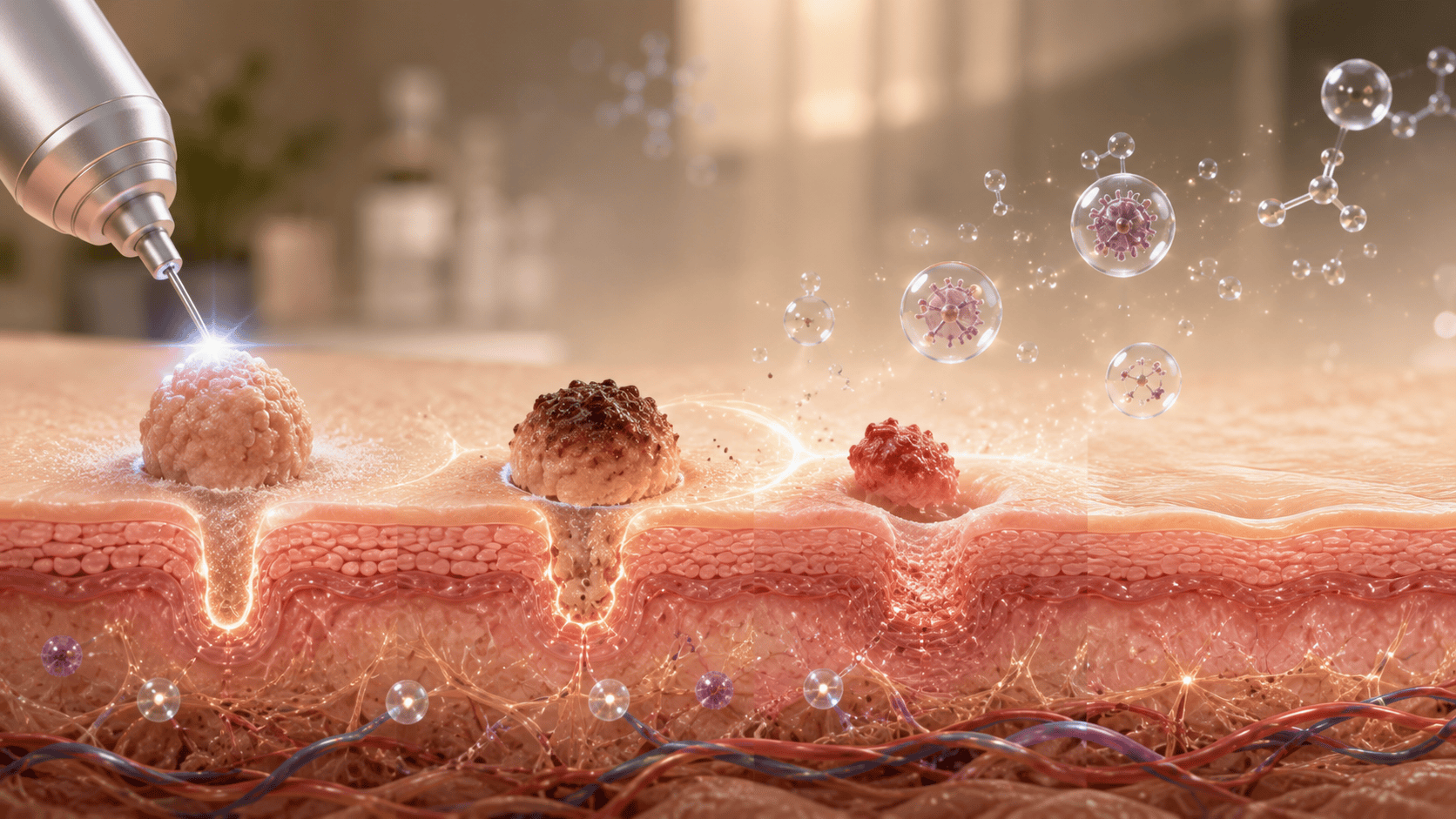
Infographic showing wart examination, skin cross-section, and clinical treatment steps

What is the Difference Between Clinical Wart Removal and At-Home Treatments in Mumbai?

Multiple at-home wart treatments are available – including salicylic acid pads, over-the-counter freezing kits, duct tape occlusion, and various folk remedies. While mild, superficial warts may sometimes respond to persistent at-home treatment, these methods have significant limitations. Over-the-counter salicylic acid treatments work by gradually dissolving the outer layers of the wart through chemical exfoliation. They require weeks to months of consistent daily application, have variable success rates, and frequently result in incomplete removal that leads to recurrence. Home freezing kits deliver significantly less cold intensity than clinical liquid nitrogen, often failing to penetrate deep enough to destroy the underlying HPV-infected tissue. This leads to high recurrence rates and potential skin damage from improper application. Clinical wart removal uses medical-grade techniques that destroy the wart and its viral base in a controlled, precise manner under sterile conditions. Electrocautery, RF ablation, and CO2 laser deliver targeted thermal energy that destroys both the visible wart tissue and the underlying HPV-infected cells, while cryotherapy using clinical-grade liquid nitrogen reaches temperatures (approximately minus 196 degrees Celsius) far beyond any home freezing kit. Key insight: The most important distinction is completeness of viral tissue destruction. At-home methods often destroy only the surface of the wart, leaving HPV-infected cells beneath that quickly regenerate the wart. Clinical techniques destroy the full depth of infected tissue under direct doctor-guided visualisation – significantly reducing recurrence compared to self-treatment.
Doctor using a precision electrocautery device near a patient's eyebrow

What Types of Warts Does Our Treatment in Mumbai Address?

Our comprehensive wart removal programme addresses all clinically recognised wart types affecting men and women across Mumbai:
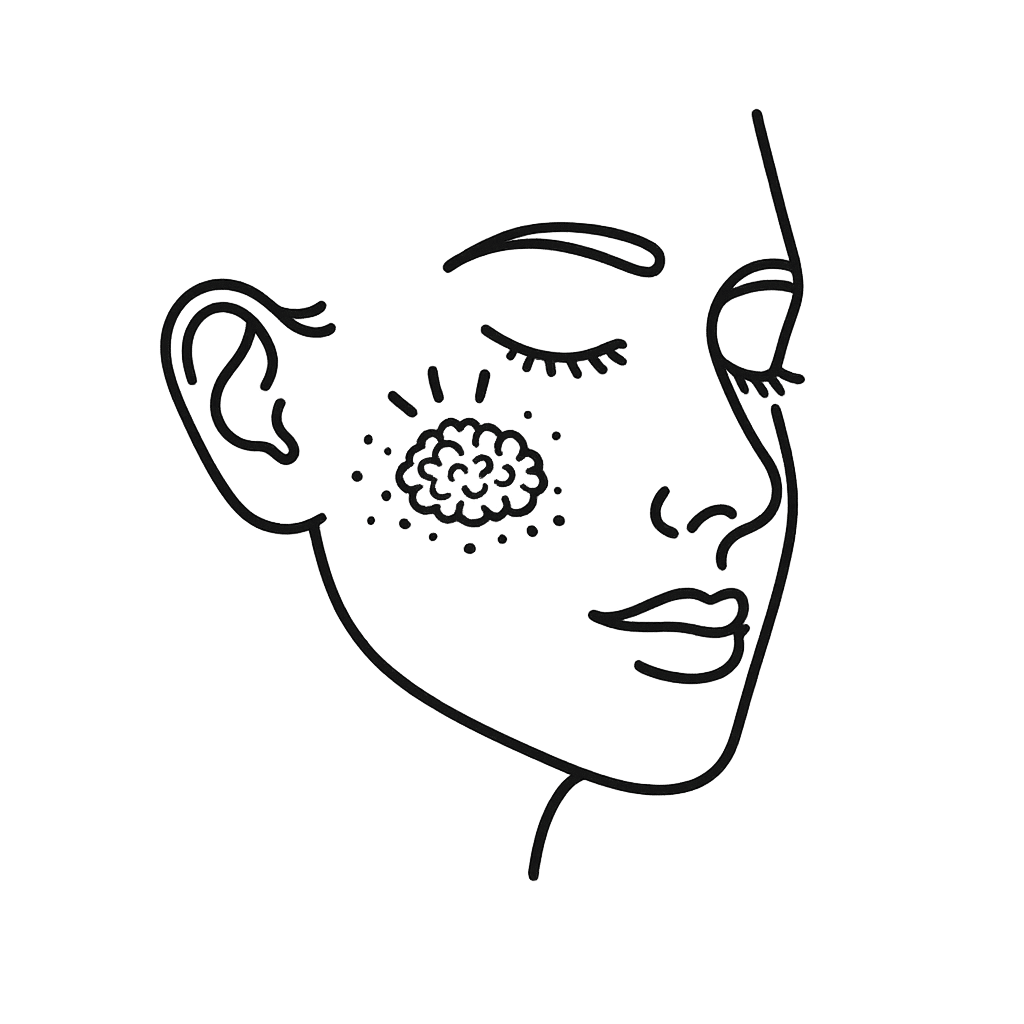
Line-art icon of a face highlighting a common wart on the cheek

Common Warts (Verruca Vulgaris)

Rough, raised, flesh-coloured growths with a cauliflower-like surface, most frequently found on the hands and fingers – the most prevalent wart type seen at our Mumbai clinic.

Line-art icon of a forehead with a cluster of small flat warts

Flat Warts (Verruca Plana)

Small, smooth, slightly raised flat-topped lesions that commonly appear in clusters on the face, forehead, and shins – frequently seen in children and young adults, and spreading via shaving.
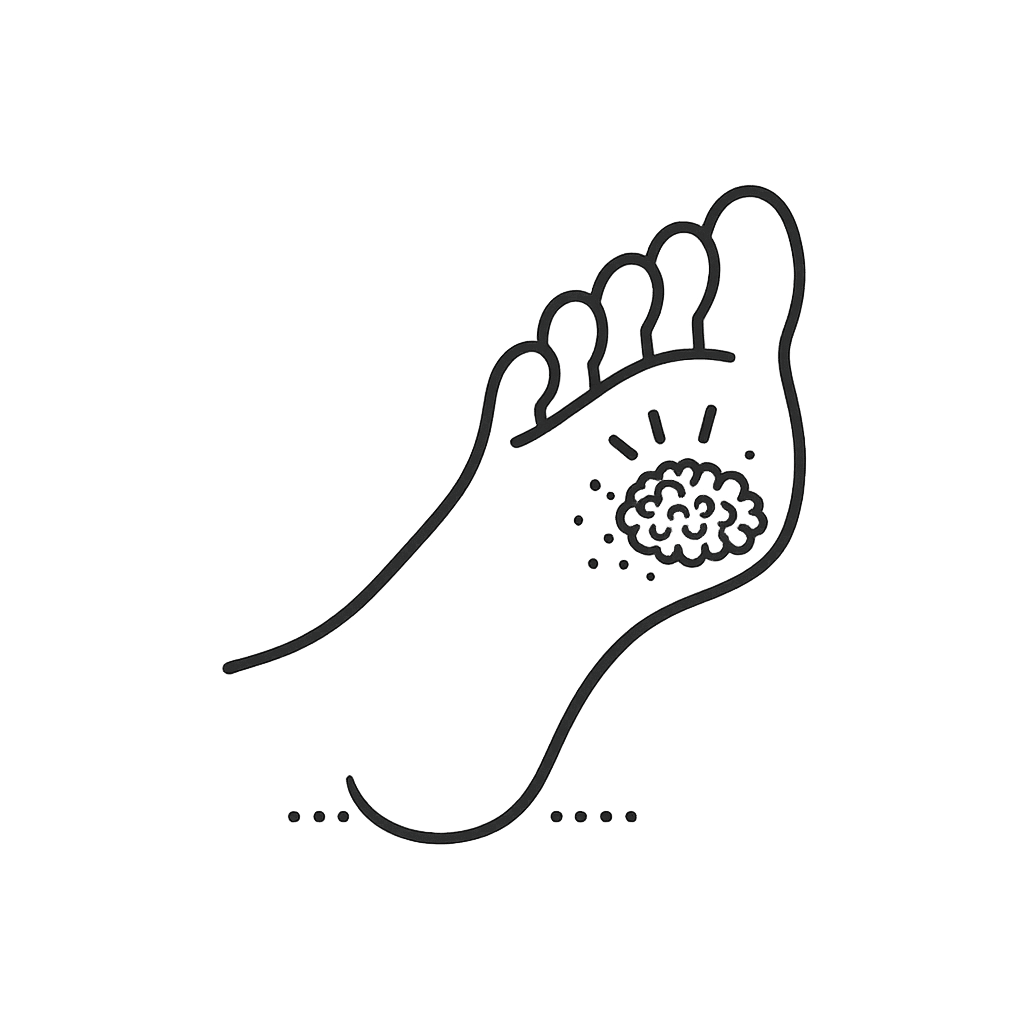
Line-art icon of a foot sole showing a plantar wart

Plantar Warts (Verruca Plantaris)

Hard, grainy warts on the soles of the feet that grow inward due to body weight pressure, often causing significant pain during walking – common in Mumbai's warm climate.

Line-art icon of a face with thread-like filiform warts near the nose

Filiform Warts

Long, narrow, thread-like warts that typically develop around the mouth, nose, eyes, and neck – rapidly spreading and cosmetically distressing.

Line-art icon of a fingertip with a wart around the nail

Periungual Warts

Warts growing around and under the fingernails and toenails – painful, difficult to treat, and capable of distorting nail growth if left untreated.

Abstract line-art icon of a head with a clustered textured pattern

Mosaic Warts

Clusters of multiple plantar warts that merge into a large, tile-like plaque on the foot – requiring aggressive, comprehensive treatment for clearance.

Abstract line-art icon representing genital wart growths

Genital Warts (Condylomata Acuminata)

Soft, flesh-coloured growths in the genital and perianal area caused by specific HPV strains – requiring careful medical management, screening, and appropriate treatment.
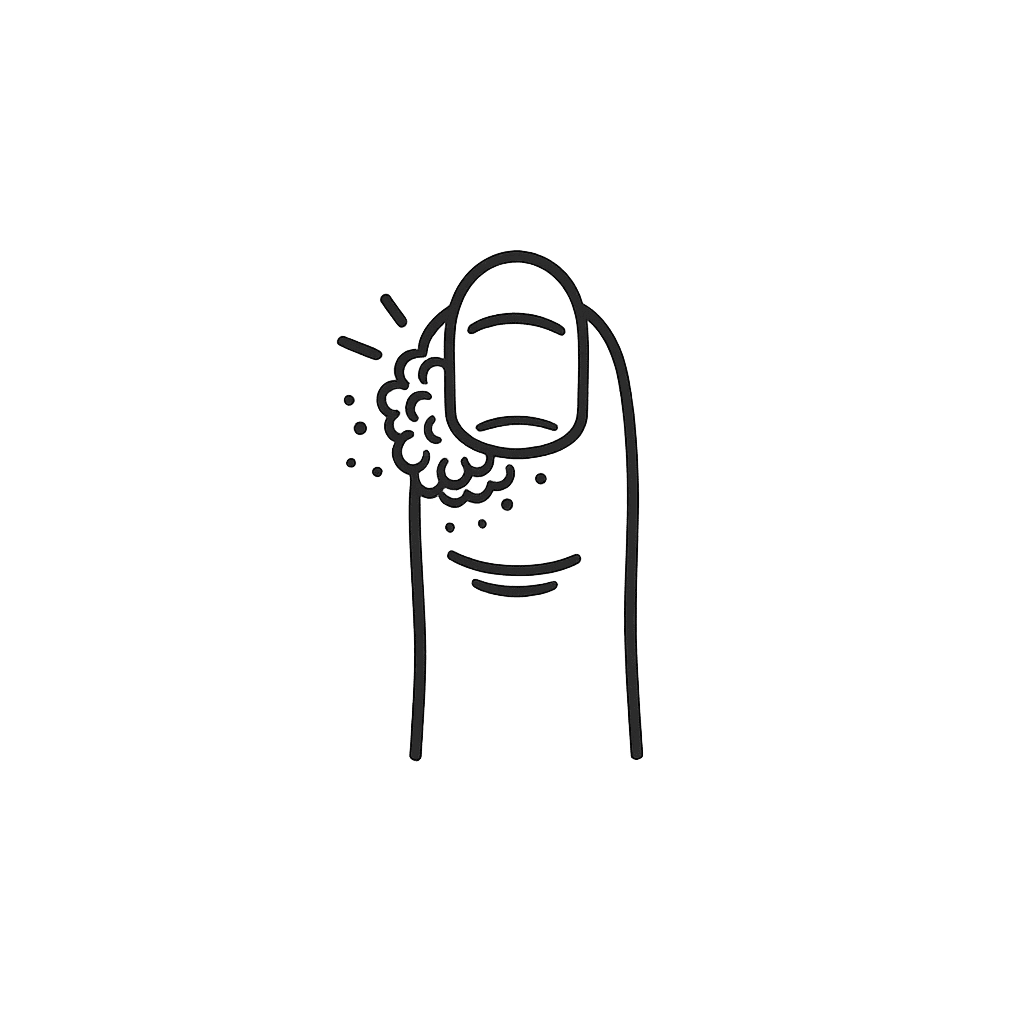
Line-art icon of a fingertip wart with scattering particles indicating recurrence

Recurrent and Treatment-Resistant Warts

Warts that have returned after previous treatment attempts or have not responded to at-home remedies – often requiring multi-modal clinical approaches for definitive clearance.

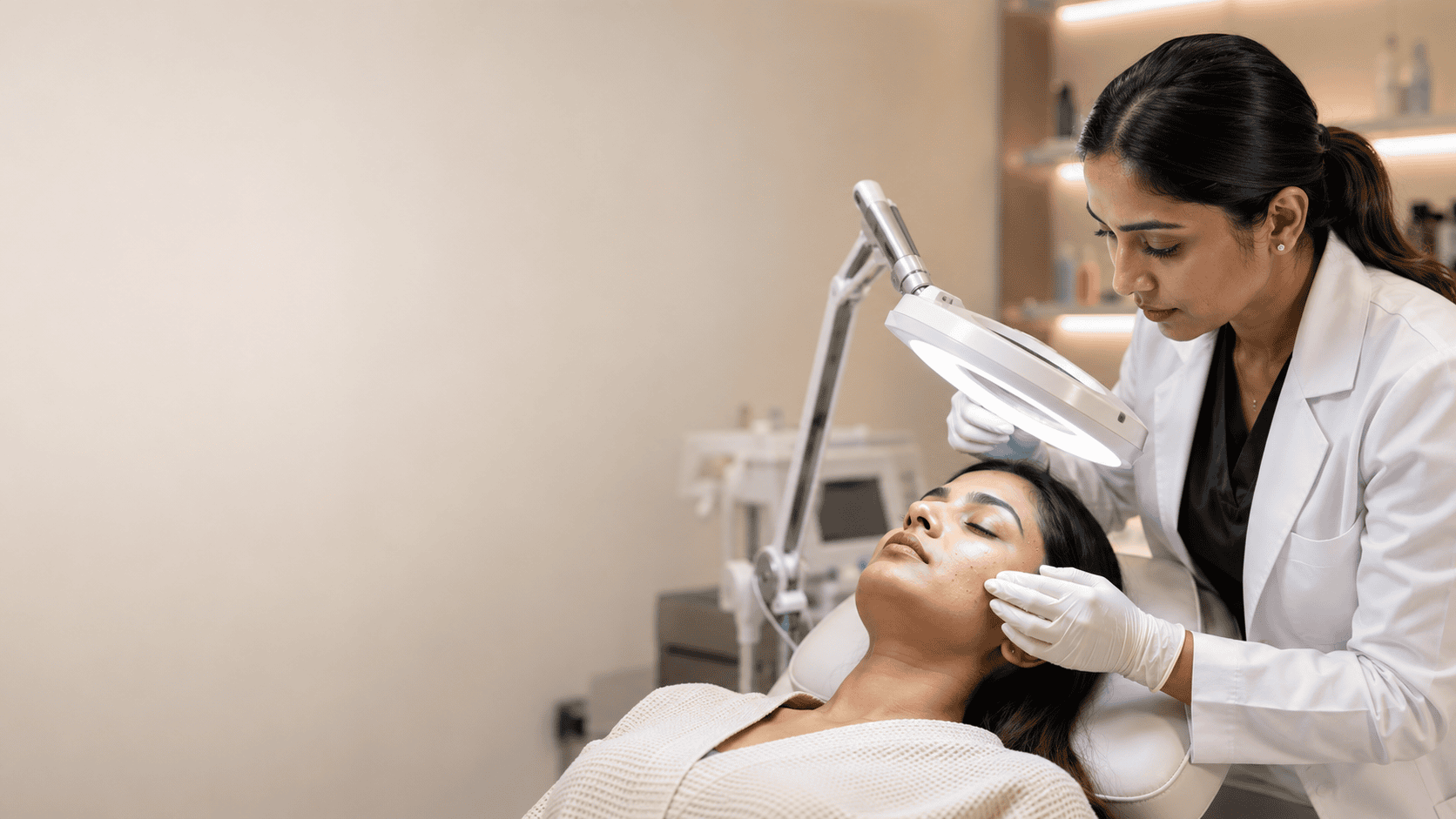
Clinically Complete Wart Clearance Results

Thorough destruction of wart tissue and underlying HPV-infected cells with medically supervised treatment at Brilliance Cosmocare, Andheri West.

Mumbai’s hot, humid climate creates conditions that favour HPV survival and wart transmission – communal gym floors, swimming pools, and shared footwear increase exposure risk. Additionally, the immune suppression associated with stress and urban lifestyle factors common among Mumbai’s population can reduce the body’s ability to naturally clear HPV, making professional clinical treatment particularly important.
Treatment device applied to a wart on the neck with a magnified skin close-up

How Does Clinical Wart Removal Treatment Work?

Clinical wart removal at Brilliance Cosmocare works by using targeted energy or extreme cold to destroy both the visible wart tissue and the underlying HPV-infected cells at the wart base, eliminating the source of viral replication and reducing the likelihood of recurrence. The key techniques and mechanisms include: Electrocautery – delivers controlled electrical current through a fine-tipped probe that thermally ablates the wart tissue layer by layer; the thermal energy destroys viral particles and infected cells at the wart base while simultaneously cauterising blood vessels to minimise bleeding Radiofrequency (RF) ablation – uses high-frequency electrical energy to precisely vaporise wart tissue with minimal lateral heat spread; produces excellent cosmetic outcomes with controlled depth of destruction Cryotherapy (liquid nitrogen) – applies clinical-grade liquid nitrogen at approximately minus 196 degrees Celsius to the wart, creating intracellular ice crystals that rupture the cell membranes of the wart and HPV-infected tissue; the frozen tissue blisters, crusts, and separates over 7–14 days CO2 laser ablation – delivers focused laser energy that vaporises wart tissue with extreme precision and controlled depth; ideal for large, multiple, or anatomically challenging warts Immune activation – the tissue destruction caused by all clinical techniques triggers a local immune response that helps the body recognise and target HPV-infected cells in the surrounding area, contributing to viral clearance Viral tissue destruction – unlike surface-only at-home methods, clinical techniques destroy the full depth of the wart including the capillary-rich papillae that nourish the HPV and the basal infected cells that drive regrowth The technique is selected based on wart type, location, size, number, and the patient’s skin type. Multiple techniques may be combined for treatment-resistant or recurrent warts.

Wart Removal Protocol at Our Mumbai Clinic

The diagnostic accuracy, technique selection, depth of destruction, and follow-up monitoring all directly determine wart clearance success and recurrence rates. At Brilliance Cosmocare’s Andheri West clinic, our protocol follows a medically rigorous approach:
Doctor examining a patient's face under a magnifying lamp for wart diagnosis

Doctor-Led Diagnosis

Clinical examination by a qualified doctor to confirm the HPV wart diagnosis and distinguish warts from other conditions (corns, calluses, molluscum, seborrheic keratoses)
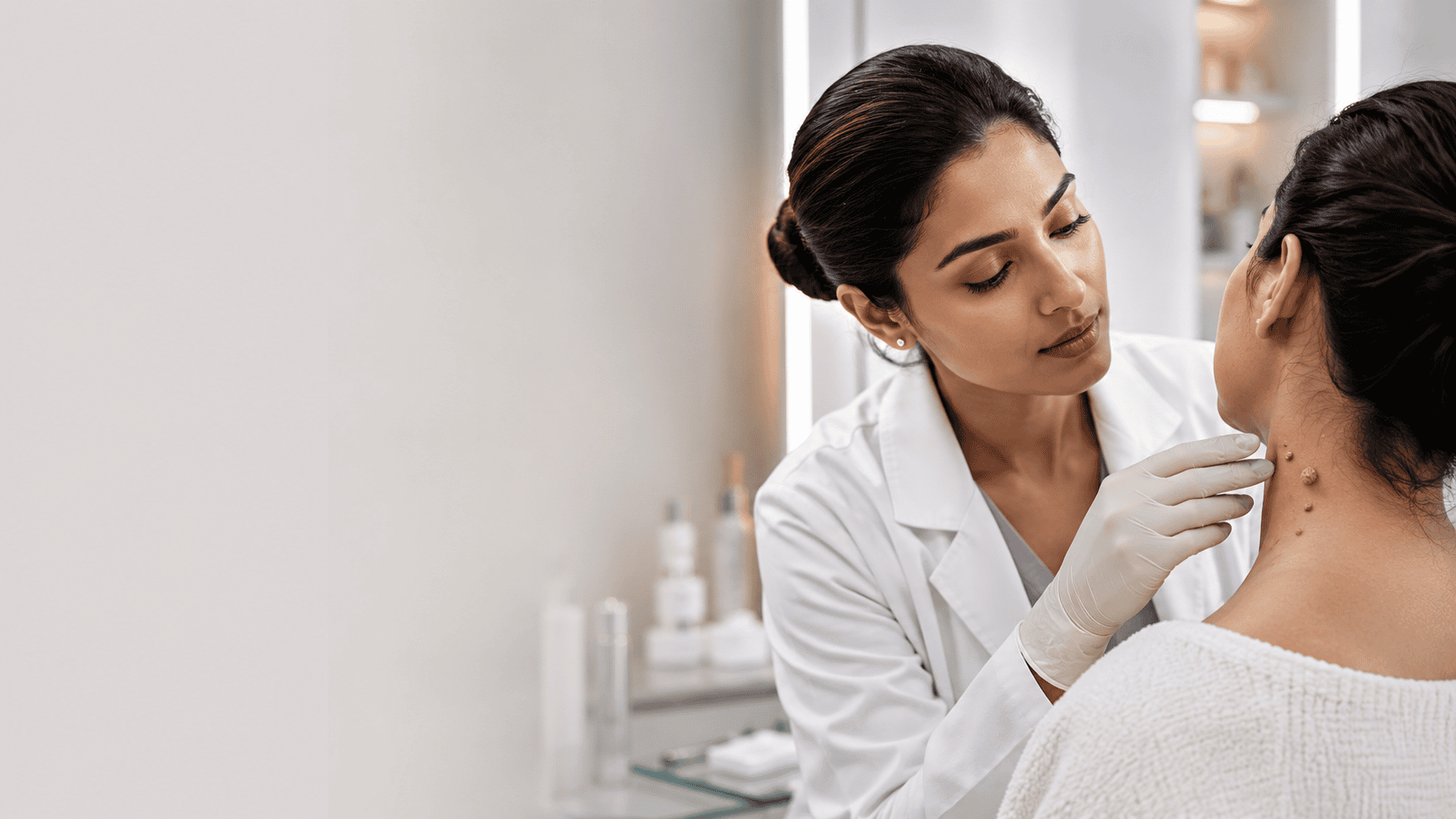
Doctor examining a wart on a patient's neck to assess its type and location

Wart Classification

Assessment of wart type (common, flat, plantar, filiform, periungual, genital), size, number, and anatomical location to determine the optimal removal technique
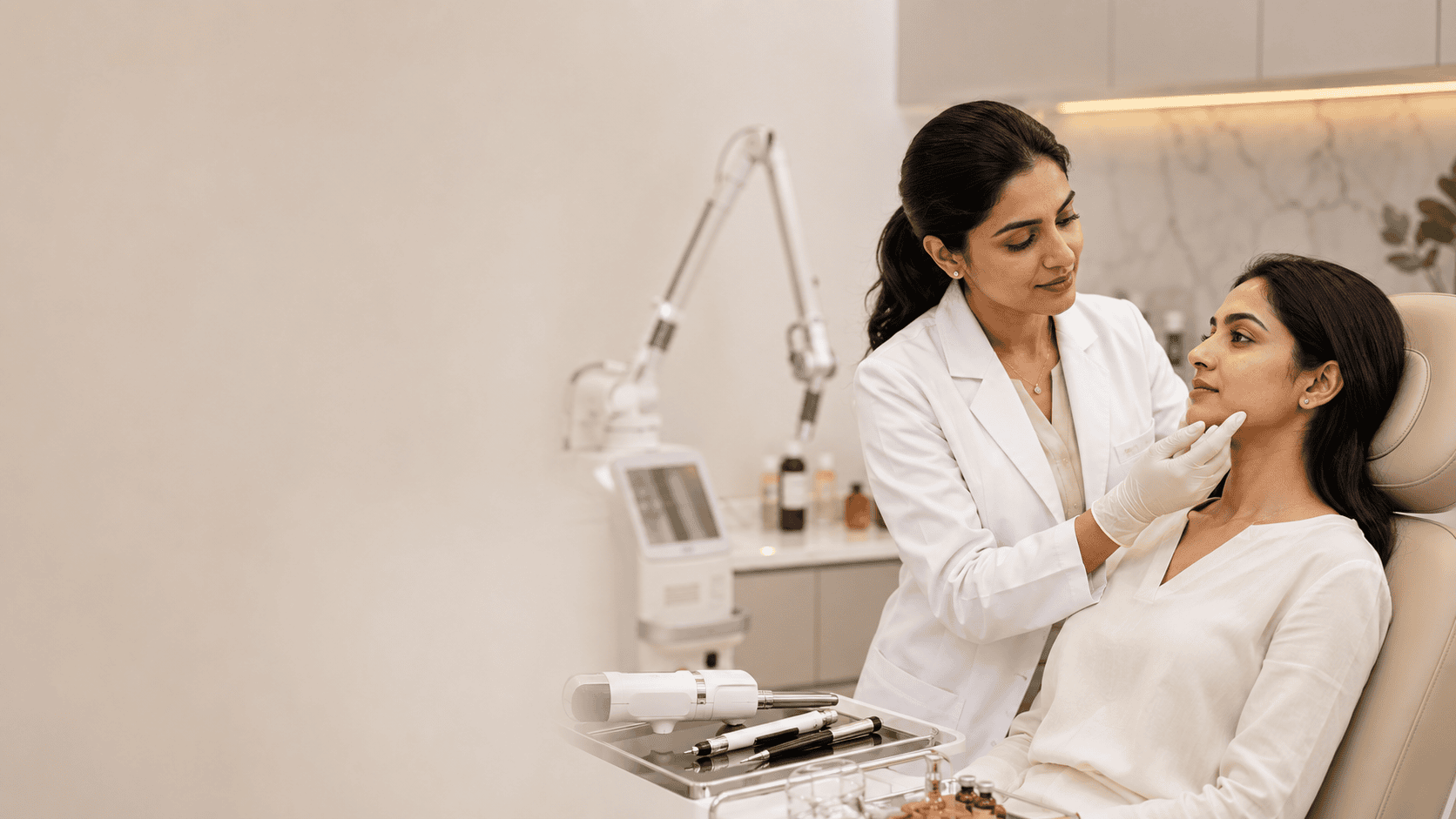
Doctor preparing a treatment device to remove a wart on a patient's chin

Technique Selection

Electrocautery, RF ablation, cryotherapy, or CO2 laser selected based on clinical assessment – each technique offers advantages for specific wart presentations
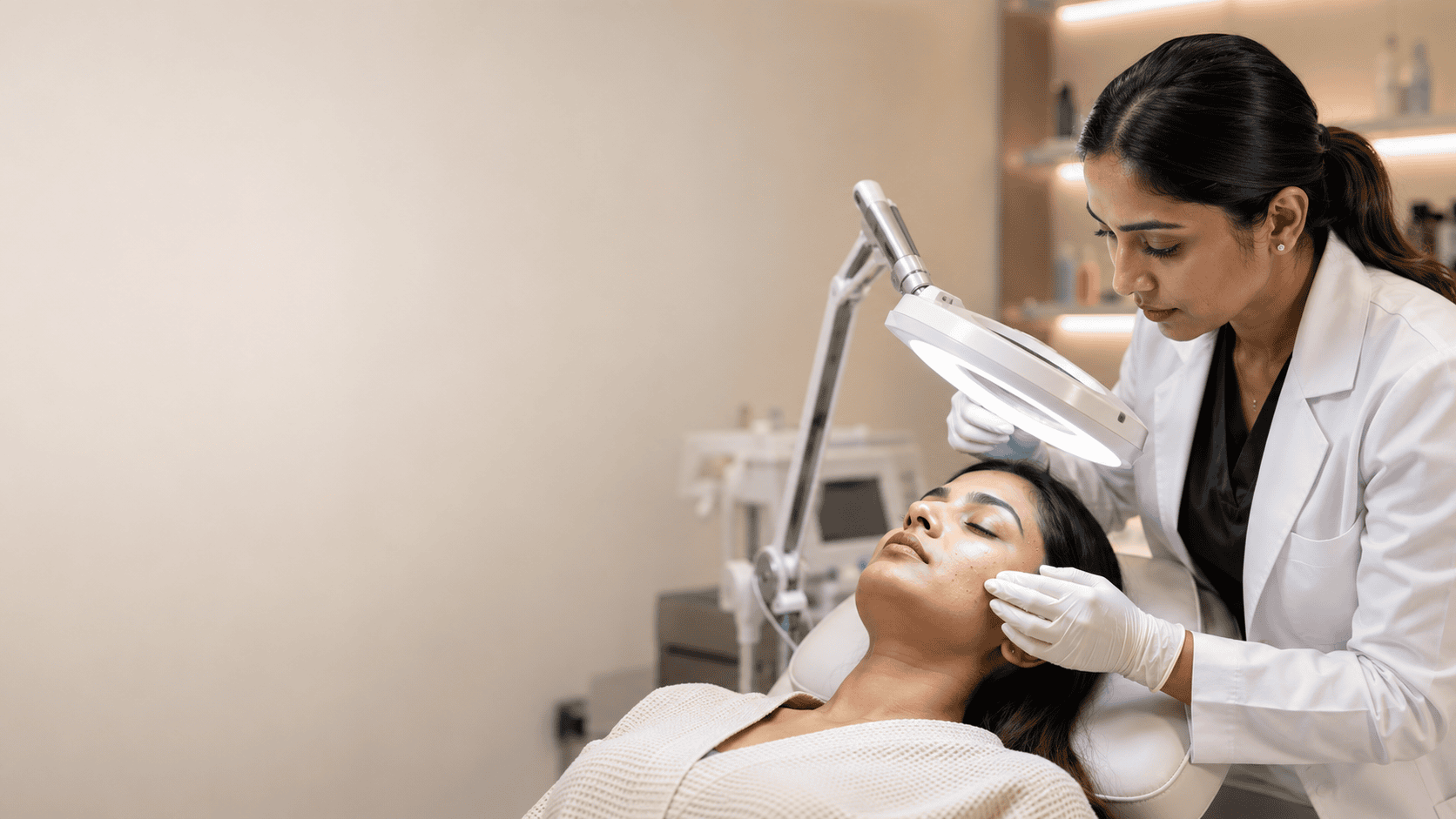
Doctor preparing to treat a wart under a magnifying lamp before anaesthesia

Local Anaesthesia

Topical numbing cream or local anaesthetic injection is administered for comfort before electrocautery, RF, or laser treatment – ensuring a painless procedure

Doctor treating a wart on a patient's chest with a precision device

Complete Depth Destruction

The treating doctor ensures the full depth of the wart and underlying HPV-infected tissue is destroyed – the critical factor in preventing regrowth
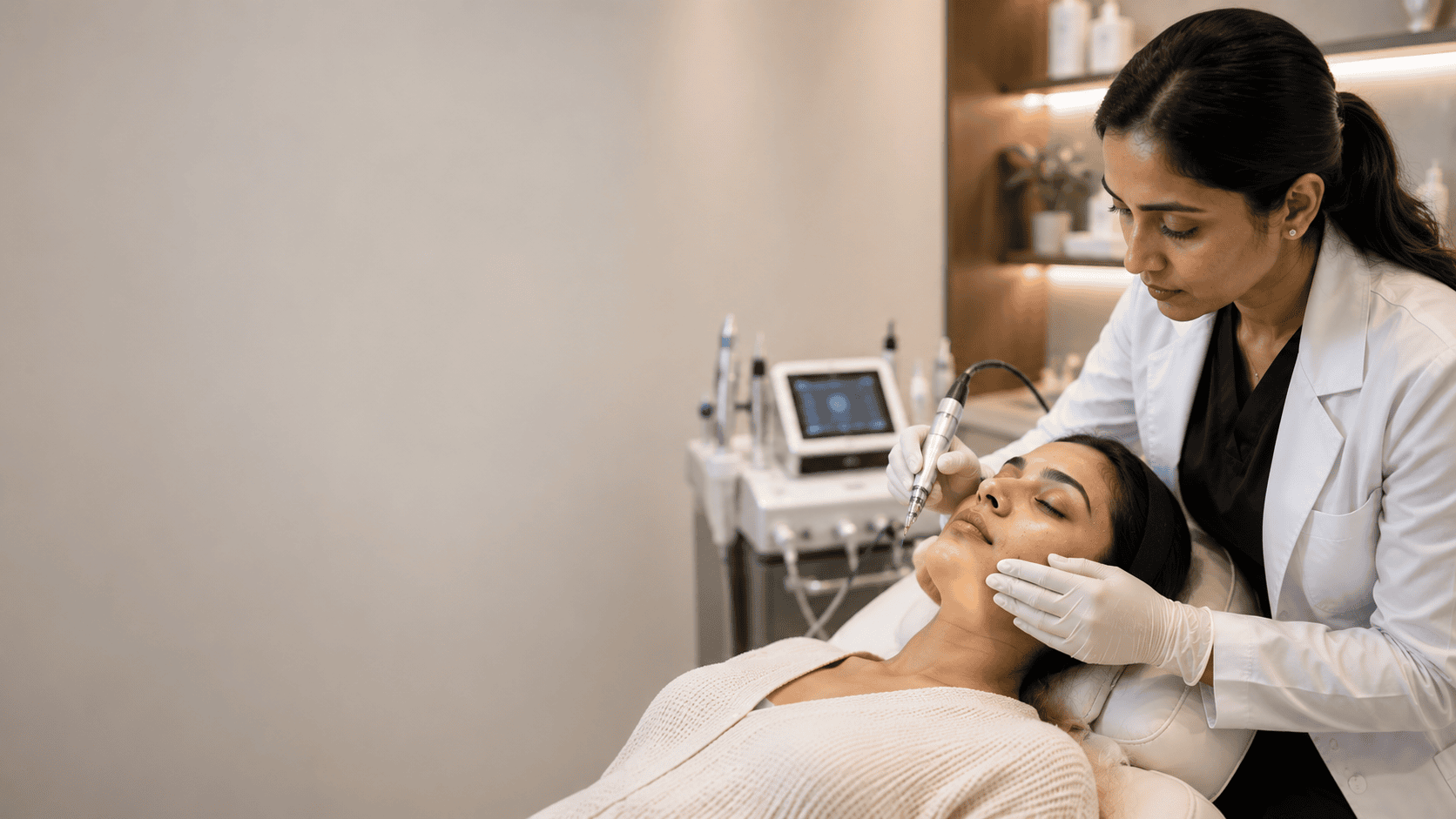
Doctor treating multiple warts on a patient's face in one clinic session

Sterile Clinical Environment

Multiple warts of different types and locations can be treated in a single session for maximum efficiency
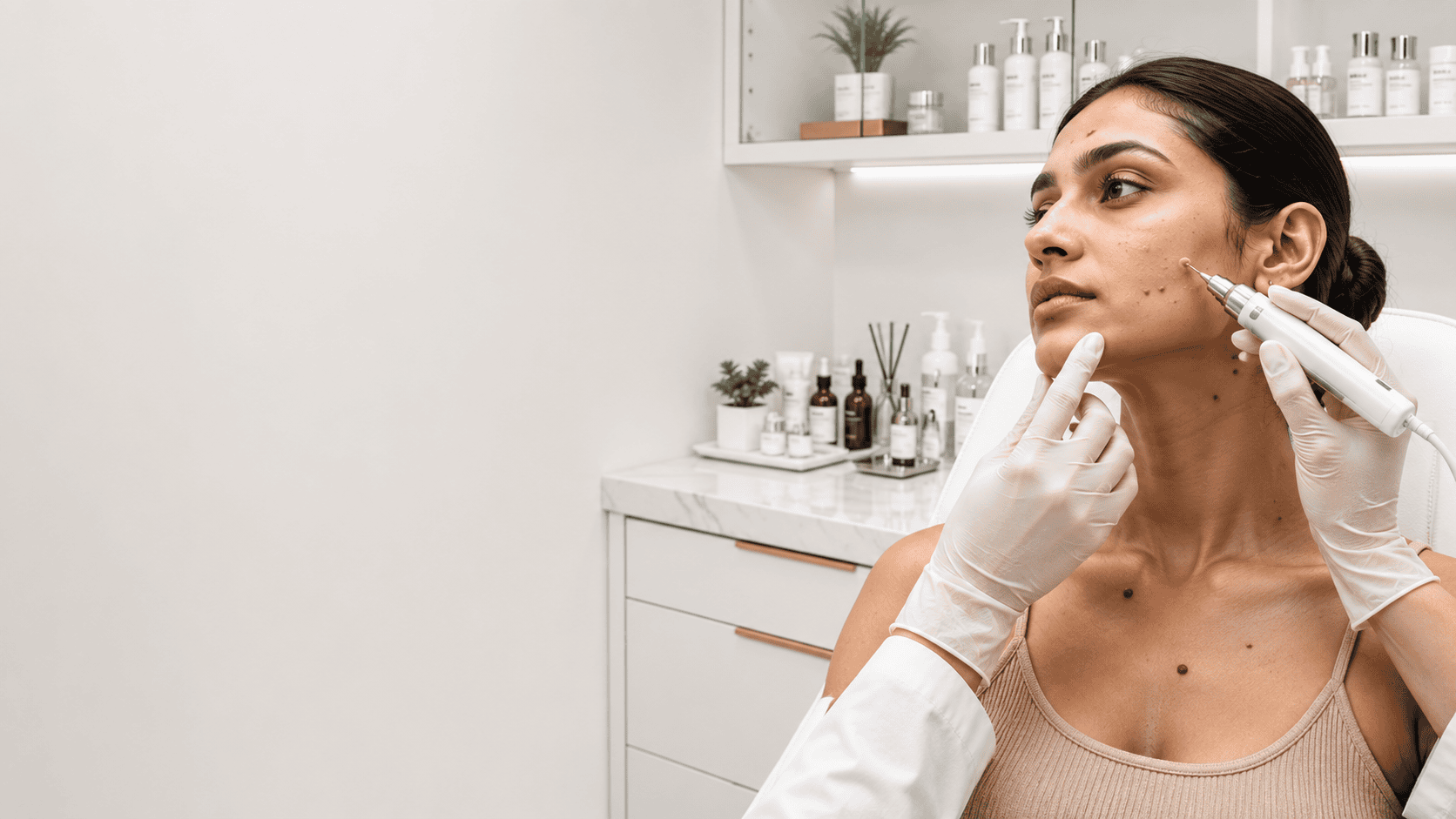
Gloved clinician treating a patient's face in a clean clinic setting

Sterile Clinical Environment

All procedures performed in a medically controlled, sterile setting – essential for preventing cross-contamination and reducing infection risk

Doctor applying aftercare treatment to a patient's hand following wart removal

Post-Treatment Wound Care

Immediate assessment and wound care application with comprehensive aftercare instructions provided

The completeness of viral tissue destruction, the precision of the technique, and the structured follow-up for recurrence monitoring are the three most critical factors in successful wart management. Our Mumbai doctor-led team applies rigorous standards at every step.

How Clinical Wart Treatment Produces Clearance Results

Wart clearance from clinical treatment occurs through the direct destruction of wart tissue and the HPV-infected cells at its base. Unlike at-home remedies that slowly dissolve the surface, clinical techniques deliver sufficient energy or cold to destroy the full depth of the wart in a single session, eliminating the viral source of regrowth. For Mumbai patients with common warts, flat warts, or plantar warts, this means that the treated wart tissue dies, crusts over, and separates from the surrounding healthy skin within 7–14 days, leaving clean, healthy tissue beneath. The immune response triggered by the tissue destruction also helps the body recognise and clear residual HPV in the surrounding area, contributing to overall viral clearance. However, it is important to understand that warts are caused by a virus, and HPV can remain dormant in the surrounding skin even after successful wart removal. This is why recurrence is possible – not because the treatment failed, but because dormant virus in adjacent tissue can reactivate. At Brilliance Cosmocare, we manage this reality through structured follow-up monitoring, prompt re-treatment of any recurrences, and in some cases, immune-boosting adjunctive therapies to support the body’s ability to suppress residual HPV.
Cross-section illustration of a laser device destroying wart tissue down to its root
Doctor consulting a patient to assess candidacy for wart removal

Who is an Ideal Candidate for Wart Removal in Mumbai?

Wart removal is appropriate for any man, woman, or child in Mumbai who has clinically diagnosed warts that are cosmetically bothersome, painful, spreading, or at risk of transmitting to others. Unlike cosmetic treatments that have specific candidacy criteria, wart removal is a medical treatment indicated whenever warts are present and causing concern. You should seek wart removal treatment at our Mumbai clinic if you have warts on visible areas (face, hands, neck) that affect your appearance, have plantar warts causing pain or difficulty walking, have warts that are spreading to new areas or multiplying in number, have periungual warts affecting nail growth or causing discomfort, have tried at-home treatments without successful clearance, want to reduce the risk of transmitting warts to family members or contacts, or have any wart that has changed in appearance and needs medical assessment. Key insight: Early treatment of warts when they are small and few in number produces the best clearance rates and lowest recurrence risk. Delaying treatment allows warts to grow larger, multiply, and spread to new areas – making subsequent treatment more extensive and recurrence more likely.

Who is NOT a Suitable Candidate?

The following situations require special consideration during your medical consultation before wart removal:
Doctor consulting with a patient about wart treatment options

Pregnant Women (certain treatments deferred; cryotherapy may be used)

Doctor discussing a modified wart treatment plan with a patient

Patients with Peripheral Vascular Disease (plantar wart treatment requires modified approach)

Doctor reviewing a patient's medical history during a treatment consultation

Severely Immunocompromised Patients (may require extended treatment protocols)

Doctor discussing pre-procedure planning with a patient

Patients on Anticoagulant Therapy (requires pre-procedure planning)

Doctor discussing a diagnostic assessment with a patient

Any Growth Not Confirmed as a Wart (requires biopsy if diagnosis uncertain)

Our doctor-led team examines every growth clinically before removal to confirm the wart diagnosis and exclude other conditions. Treatment is tailored to each patient’s medical status and specific wart presentation.

Benefits of Professional Wart Removal Treatment in Mumbai

Clinical wart removal at Brilliance Cosmocare offers significant advantages over at-home treatments for patients across Mumbai.

Key Benefits

Most Mumbai patients see the treated wart tissue crust and separate within 7–14 days, revealing clean, healthy skin beneath. Prompt treatment of small, early warts produces the best clearance outcomes with the lowest recurrence risk.
Illustration of a laser destroying a wart and surrounding HPV virus particles

Wart Removal Treatment Process – Step by Step

Step 1

Doctor-Led Examination and Diagnosis

Every growth suspected of being a wart is clinically examined by a qualified doctor to confirm the HPV wart diagnosis and exclude other conditions. The wart type, size, number, and location are documented. Medical history, immune status, and any previous treatment attempts are reviewed. The appropriate removal technique is selected.

Step 2

Wart Removal Procedure

The treatment area is cleansed and local anaesthesia is administered (for electrocautery, RF, or laser). Using the selected technique, each wart is precisely destroyed at its base with controlled depth to eliminate the visible tissue and underlying HPV-infected cells. For cryotherapy, liquid nitrogen is applied directly to the wart for a controlled freeze-thaw cycle. Multiple warts can be treated in a single session. The procedure takes approximately 15–45 minutes depending on the number and size of warts.

Step 3

Post-Treatment Wound Care

Aftercare instructions are provided, including keeping treated areas clean and dry, applying prescribed antibiotic ointment, avoiding picking or scratching crusts or blisters, watching for signs of infection, and protecting healing skin from sun exposure. For plantar warts, weight-bearing comfort and footwear guidance are provided. Healing typically takes 7–14 days depending on the treatment technique and wart location.

Step 4

Follow-Up and Recurrence Monitoring

A follow-up review at 4–6 weeks assesses healing and checks for any signs of wart recurrence. If recurrence is detected early, prompt re-treatment produces the best clearance outcomes. For patients with a history of recurrent or multiple warts, a monitoring schedule is established.

Clinical Wart Removal in Mumbai vs At-Home Wart Treatments

Factor
At-Home Wart Treatments (Salicylic Acid, Freezing Kits, Tape)

Mild acne

3–4 sessions

Moderate acne

4–6 sessions

Severe or hormonal acne

6–8 sessions

Acne marks / PIH

Additional sessions may be incorporated

Acne scars

Additional sessions may be incorporated

At-home wart treatments can be attempted for mild, small, accessible common warts, but their success rates are significantly lower than clinical treatment due to incomplete viral tissue destruction. For warts that are large, multiple, recurrent, painful, spreading, or located on the face, feet, nails, or genital area, professional clinical treatment is the medically appropriate and more effective approach.

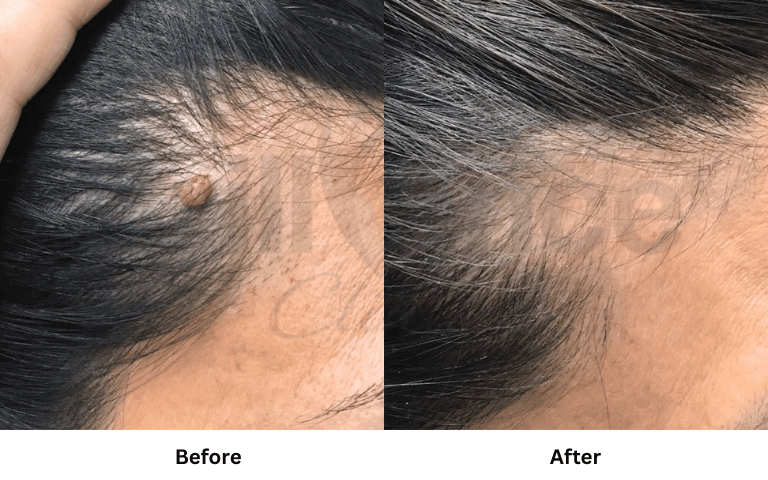
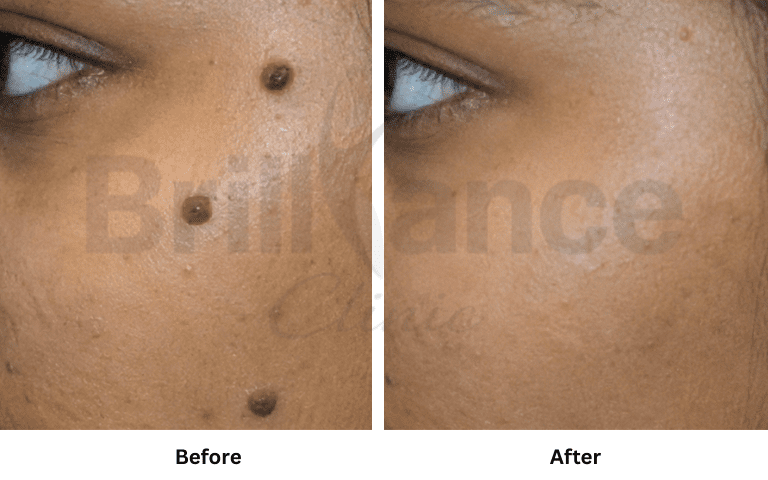
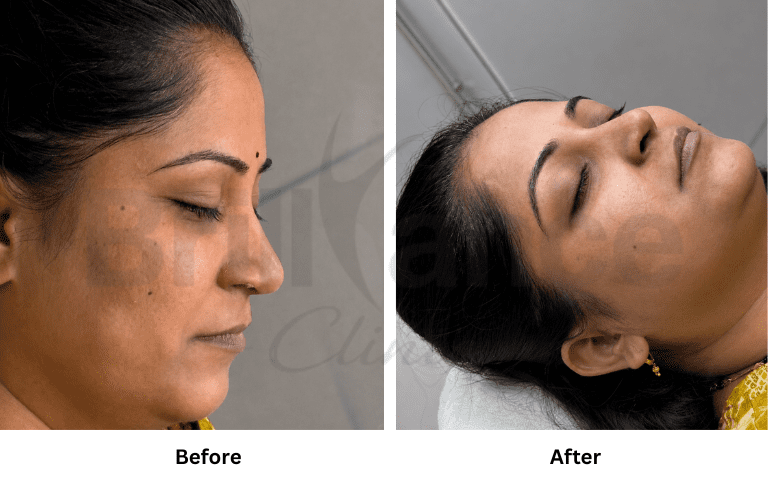
Wart Removal Before and After – Real Patient Results in Mumbai

Pre-treatment photographs are documented before removal to track healing quality, clearance completeness, and any recurrence at follow-up.

What Realistic Wart Removal Results Look Like

Clinical wart removal produces complete destruction of the visible wart with progressive healing. A realistic timeline:
  • Day of Treatment The wart tissue is completely destroyed during the procedure. For cautery and laser, a small, dark eschar forms at the treatment site. For cryotherapy, the frozen tissue may blister within 24–48 hours. The HPV-infected tissue at the base has been destroyed.
  • Days 7–14 The destroyed tissue crusts and naturally separates from the surrounding skin. Cryotherapy blisters dry and peel. Fresh, healthy skin is revealed beneath the separated crust. The wound bed contracts and heals.
  • Weeks 3–6 The treated site continues healing and blending with surrounding skin. Any residual redness or marks fade progressively. Follow-up assessment confirms clearance and checks for recurrence. On Indian skin, temporary mild pigmentation at the treatment site resolves with SPF and time.
Clinical wart removal achieves clearance in a single session for most warts. However, because HPV can remain dormant in surrounding tissue, recurrence is possible in approximately 10–30% of cases. Early detection and prompt re-treatment of any recurrence produces the best long-term clearance outcomes.

When Will You See Results from Wart Removal in Mumbai?

Wart destruction is immediate – the wart tissue is eliminated during the procedure. Visible healing unfolds over the following days.
Illustration showing the healing progression of a treated wart over several stages

Day 1

Wart tissue is completely destroyed. Eschar or blister forms at the treatment site. Local anaesthesia wears off within hours. Mild soreness is managed with standard pain relief.
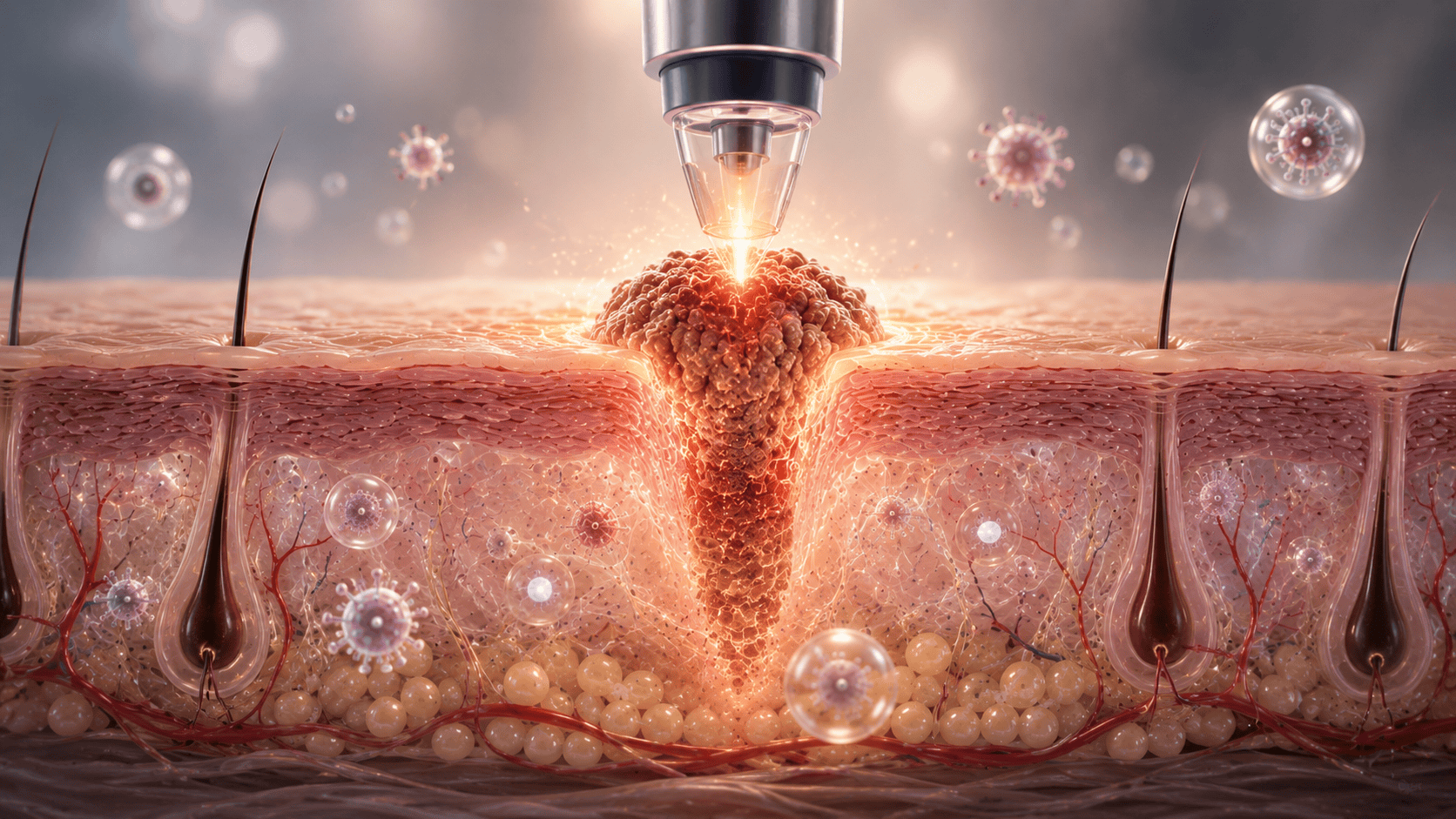
Illustration of skin healing beneath the surface after wart treatment

Days 7–14

Crust or blister separates naturally. Fresh, healthy skin is revealed. Wound healing progresses rapidly with proper care.
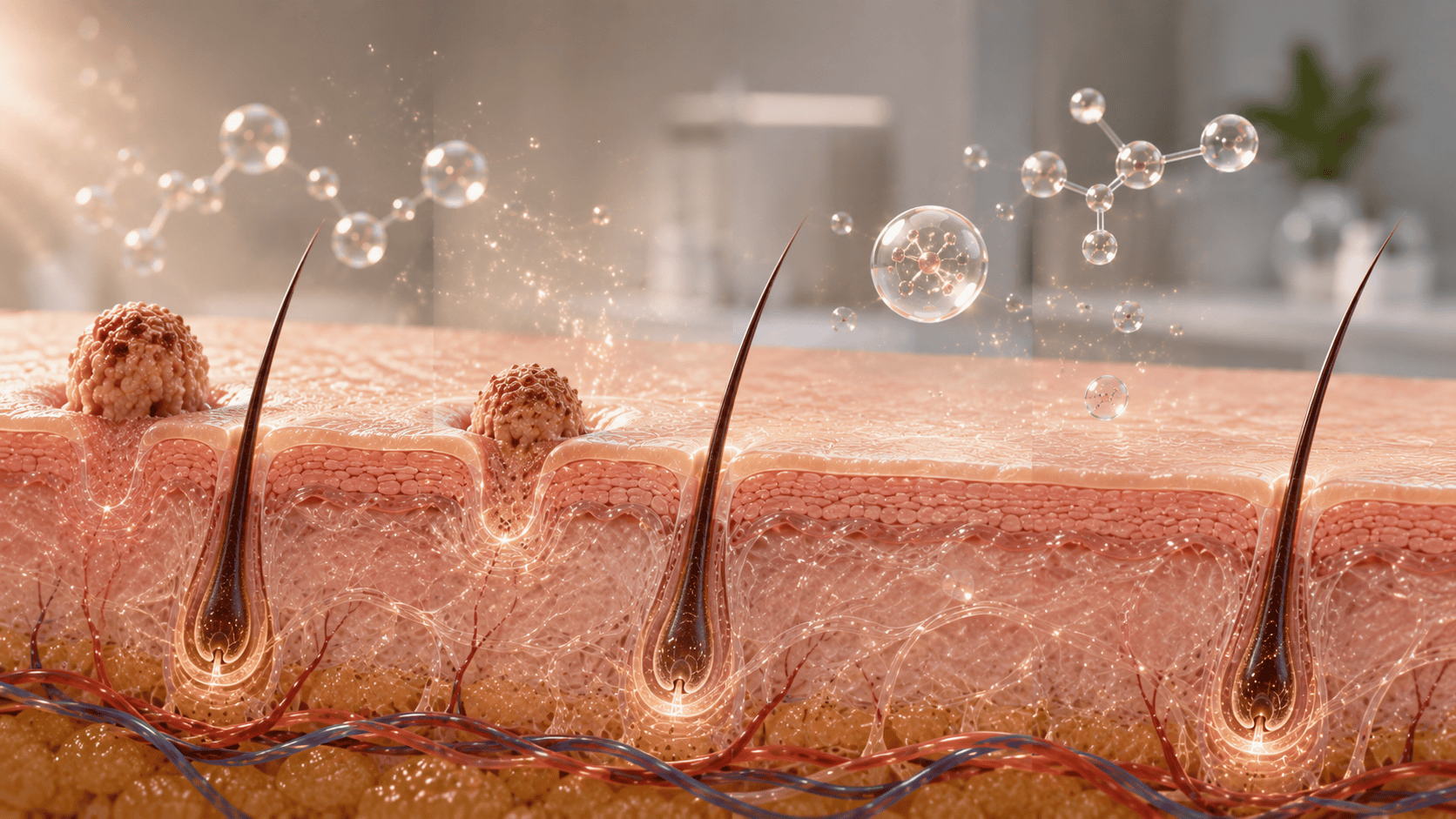
Illustration of a wart fading and skin blending during the healing process

Weeks 3–6

Treated site heals and blends with surrounding skin. Follow-up confirms clearance. Any early recurrence is detected and promptly treated.

Early treatment of warts when they are small and few produces the best outcomes. Delaying treatment allows warts to grow, spread, and become more treatment-resistant.

Wart Removal Treatment Plan for Mumbai Patients

Illustration of a laser destroying a wart surrounded by HPV virus particles
Session 1

Primary Wart Destruction

All visible warts are destroyed in a single session using the optimal technique for each wart type and location. HPV-infected base tissue is eliminated. Comprehensive wound care instructions are provided. The immune system begins responding to the tissue destruction.

Illustration of skin healing beneath the surface during the monitoring phase
Weeks 2–6

Healing and Monitoring Phase

Treated sites heal within 7–14 days. Follow-up assessment at 4–6 weeks confirms clearance and checks for recurrence. Any new or recurrent warts are promptly retreated.

Illustration of a scanning device monitoring healed skin for wart recurrence
Months 3–6

Surveillance Phase

Patients with a history of multiple or recurrent warts are monitored for new lesions. The immune system continues clearing residual HPV. Any recurrences detected early are treated immediately for best outcomes.

Clinical Evidence and Safety Profile of Wart Removal Treatment

The wart removal techniques used at Brilliance Cosmocare’s Mumbai clinic are supported by decades of established medical evidence.
Evidence base for clinical wart removal: Electrocautery and RF ablation – published clinical studies demonstrate high primary clearance rates (80–95% for common and plantar warts) when full-depth viral tissue destruction is achieved Cryotherapy – one of the most extensively studied wart treatments in medical literature, with published data supporting its efficacy across common, flat, plantar, and filiform wart types CO2 laser – clinical evidence confirms precise, layer-by-layer ablation with excellent clearance rates for large, multiple, or treatment-resistant warts Recurrence management – published literature establishes that early detection and prompt re-treatment of recurrent warts significantly improves long-term clearance rates Combination approaches – clinical studies support multi-modal treatment (combining destructive techniques with immunotherapy or topical agents) for recalcitrant warts
Clinical evidence consistently supports energy-based wart destruction as significantly more effective than at-home remedies, with higher primary clearance rates and lower recurrence when full-depth viral tissue elimination is achieved by trained medical professionals.
Doctor treating a wart on a patient's hand under a magnifying lamp

Pre and Post Care for Wart Removal in Mumbai

Following your pre-procedure and post-procedure care instructions is essential for clean healing, minimal scarring, and reduced recurrence risk – particularly important in Mumbai’s warm, humid environment where wound infection risk is elevated.
Before Your Wart Removal Session
After Your Wart Removal Session

Discontinue retinoids and exfoliating acids (AHAs, BHAs) 3–5 days before your session

Apply broad-spectrum SPF 50 sunscreen every morning - without exception. This is the most critical post-care instruction for Mumbai patients given year-round UV exposure.

Avoid waxing or threading in the treatment area for at least 5 days prior


Avoid direct sun exposure for at least 72 hours after a peel or laser session

Inform your doctor about any current medications - particularly oral antibiotics, isotretinoin, or hormonal therapy

Use only the prescribed gentle cleanser and moisturiser - no active skincare ingredients for 48 hours post-treatment

Do not apply makeup on the day of your session

Do not scrub, exfoliate, or use face tools on treated skin

Avoid excessive sun exposure or heat exposure in the 48 hours before treatment - relevant given Mumbai's outdoor commuting conditions

Avoid picking or squeezing active pimples

Avoid picking or squeezing active pimples

Apply any prescribed preparation cream or primer as directed

Proper wound care after wart removal reduces infection risk, minimises scarring, and supports clean healing. In Mumbai’s warm, humid climate, keeping treated sites clean and dry is particularly important during the first week.

Clinical Wart Removal in Mumbai vs Other Approaches

Clinical Wart Removal vs Homeopathic and Ayurvedic Wart Treatments

Alternative medicine approaches to warts – including homeopathic remedies and traditional preparations – are popular in Mumbai but lack published clinical evidence demonstrating HPV viral destruction or reliable wart clearance. While some warts resolve spontaneously due to natural immune response (regardless of treatment), this process is unpredictable and can take months to years. Clinical wart removal directly destroys the wart and its viral base using proven energy-based techniques, producing visible clearance within 7–14 days. For patients who have waited for alternative treatments to work without success, clinical treatment provides reliable, measurable, and prompt resolution.

Single-Session Clinical Removal vs Topical Prescription Treatments

Topical prescription treatments (imiquimod, 5-fluorouracil, podophyllotoxin) work by stimulating the local immune response or inhibiting viral cell division. They require weeks to months of consistent application, may cause significant local irritation, and have variable success rates. Single-session clinical removal – destroys the wart and viral base immediately using thermal or cryogenic energy; visible clearance within 7–14 days Topical prescription treatment – gradual immune-mediated or cytotoxic clearance requiring weeks to months; variable efficacy; requires excellent patient compliance Clinical removal is typically recommended as the first-line approach for most wart types, with topical agents used as adjunctive therapy for large areas, multiple flat warts, or recurrence prevention.

Wart Removal at Brilliance Cosmocare vs Other Options in Mumbai

Factor Self-Treatment or Salon Removal Brilliance Cosmocare Wart Removal
Diagnosis No clinical confirmation – self-diagnosed without excluding other conditions Doctor-led examination by a qualified doctor confirms the wart diagnosis before any treatment
Depth of destruction Surface only – at-home methods and salon techniques rarely destroy the full depth of HPV-infected tissue Full-depth viral tissue destruction using medical-grade electrocautery, RF, cryotherapy, or CO2 laser
Technique selection Limited to one method – often inappropriate for the specific wart type Multiple techniques available; the optimal method is selected for each wart type, location, and patient
Recurrence management No follow-up or monitoring Structured follow-up at 4–6 weeks with prompt re-treatment of any recurrence
Sterility and safety Variable – non-sterile environments increase infection risk Sterile medical environment with proper wound care and follow-up monitoring
Indian skin aftercare No skin-type-specific healing guidance Specific aftercare protocol to prevent PIH and optimise healing on Indian skin
Complete viral tissue destruction, accurate diagnosis, and structured recurrence monitoring are what separate successful clinical wart management from ineffective self-treatment. At Brilliance Cosmocare, all three are standard practice.

Wart Removal Before and After Results at Brilliance Cosmocare Mumbai

Pre-treatment photographs are documented before removal to track healing quality, clearance completeness, and monitor for recurrence at follow-up. Results at Brilliance Cosmocare have been documented across all wart types commonly treated among Mumbai patients – including common warts, flat warts, plantar warts, filiform warts, periungual warts, and recurrent warts.

Cost of Wart Removal Treatment in Mumbai

Illustration comparing small, medium, and large warts in cross-section

Number and Size of Warts

Small, single warts cost less than multiple or large warts – pricing is typically structured per wart or per group

Collage showing warts on the foot, fingernail, and hand at different locations

Wart Type and Location

Plantar warts, periungual warts, and genital warts may require more time and technique complexity than common warts on accessible body surfaces

Four illustrations showing different wart removal treatment techniques

Treatment Technique

Electrocautery, RF, cryotherapy, and CO2 laser carry different per-procedure costs based on equipment and technique

Doctor performing a follow-up treatment on a patient's recurring wart

Recurrence Treatment

Topical numbing cream or local anaesthetic injection is administered for comfort before electrocautery, RF, or laser treatment – ensuring a painless procedure

Collage showing wart treatment applied across multiple body areas

Multiple Areas

Warts across multiple body areas treated in a single session offer per-wart savings

Elegant presentation of a topical treatment beside a magnified image of a skin wart

Adjunctive Therapy

Topical or immunotherapy agents prescribed for recurrence prevention are priced separately

Detailed pricing is provided at your initial consultation based on the number, type, and location of warts. Mumbai patients can call or book online to confirm costs before committing. Full transparency – no hidden charges.

What Our Mumbai Patients Say About Wart Removal at Brilliance Cosmocare

Real feedback from patients who have experienced our wart removal treatment in Andheri West, Mumbai.

Why Brilliance Cosmocare is the Best Wart Removal Clinic in Mumbai | Andheri West

Doctor-led diagnosis and treatment – every growth is clinically examined to confirm the HPV wart diagnosis before removal; suspicious lesions are biopsied Multiple treatment techniques – electrocautery, RF ablation, cryotherapy, and CO2 laser available for wart-type-specific and location-specific treatment selection Full-depth viral tissue destruction – our techniques destroy both the visible wart and the underlying HPV-infected cells to maximise clearance and minimise recurrence Multi-wart efficiency – warts of different types and locations can all be treated in a single clinical session Structured recurrence monitoring – follow-up assessment at 4–6 weeks with prompt re-treatment of any recurrence for best long-term outcomes Indian skin expertise – specific aftercare protocols designed to minimise post-inflammatory hyperpigmentation and scarring on Fitzpatrick III–VI skin Plantar wart specialisation – specific expertise in treating painful, deep plantar warts and mosaic warts that are among the most challenging presentations Transparent consultation – full explanation of diagnosis, treatment options, expected outcomes, recurrence risk, and cost before anything begins Convenient Mumbai location – Andheri West, easily accessible from Juhu, Versova, D.N. Nagar, Lokhandwala, Bandra, and Santacruz

Frequently Asked Questions About Wart Removal by Brilliance Cosmocare – Expert Medical Opinion | Mumbai

Warts caused by the Human Papillomavirus (HPV) are among the most common viral skin conditions treated across Mumbai – affecting patients of all ages with growths on the hands, feet, face, body, and genital area. At Brilliance Cosmocare, located near DN Nagar Metro Station in Andheri West, we provide comprehensive clinical wart removal using precision electrocautery, RF ablation, cryotherapy, and CO2 laser – with every growth diagnosed by a qualified doctor before treatment. Serving patients from Andheri West, Lokhandwala, Versova, Juhu, Goregaon, Bandra, Powai, Borivali, Navi Mumbai, Thane, and across Mumbai, our clinic focuses on thorough wart clearance with structured recurrence monitoring and Indian skin-specific aftercare.
What causes warts?
Warts are caused by the Human Papillomavirus (HPV), a family of over 200 related viruses. Different HPV strains cause different types of warts on different body areas. The virus enters through tiny breaks in the skin and causes rapid cell growth, producing the characteristic raised, rough growth. Transmission occurs through direct skin contact, contaminated surfaces (gym floors, swimming pools), and self-inoculation (spreading from one area to another on your own body).
Can warts spread to other people?
Yes. Warts are contagious and can spread through direct skin-to-skin contact or through contact with contaminated surfaces. The risk of transmission increases in warm, moist environments – common in Mumbai's climate. Treating warts promptly reduces the viral load and the risk of spreading to family members and others.
How many sessions are needed to remove warts?
Most warts are completely destroyed in a single clinical session. The treated tissue crusts and separates within 7–14 days. However, because HPV can remain dormant in surrounding skin, recurrence is possible in approximately 10–30% of cases. Recurrent warts are promptly retreated at follow-up for best long-term clearance.
Is wart removal painful?
No. Local anaesthesia (topical cream or injection) is administered before electrocautery, RF, or laser treatment, making the procedure virtually painless. Cryotherapy produces a brief stinging or burning sensation during the freeze cycle. Post-treatment discomfort is mild and managed with standard pain relief.
Do warts come back after removal?
Recurrence is possible in approximately 10–30% of cases because HPV can remain dormant in surrounding tissue even after the visible wart is destroyed. Clinical treatment that destroys the full depth of viral tissue has significantly lower recurrence rates than at-home methods. At Brilliance Cosmocare, we schedule follow-up monitoring and promptly retreat any recurrences.
How long does healing take after wart removal?
Healing typically takes 7–14 days depending on the treatment technique and wart location. After electrocautery or RF, a small crust forms and separates naturally. After cryotherapy, a blister may form within 24–48 hours, then dries and peels. Plantar wart healing may take slightly longer due to weight-bearing pressure on the foot.
Can children get warts removed?
Yes. Warts are very common in children and are safely treated with the same clinical techniques used for adults. Cryotherapy is often the preferred first-line treatment for children due to its speed and simplicity. Topical anaesthetic cream can be applied for comfort. Early treatment prevents warts from spreading to other areas and to other children.
Are plantar warts different from corns?
Yes. Plantar warts and corns both appear on the feet but have different causes and require different treatments. Plantar warts are caused by HPV infection and show characteristic black dots (thrombosed capillaries) when pared down. Corns are caused by friction and pressure, with a central hard core but no viral component. Doctor-led examination at our clinic distinguishes between them accurately.
Can wart removal leave scars?
When performed by an experienced doctor using precision techniques with controlled depth, scarring from wart removal is minimal. The energy-based approach preserves healthy tissue beneath the wart, allowing clean healing. On Indian skin, temporary post-inflammatory pigmentation at the treatment site is possible but resolves with SPF protection and time.
Is wart removal available in Andheri, Mumbai?
Yes. Brilliance Cosmocare in Andheri West offers doctor-supervised wart removal for patients from across Mumbai. Our clinic is conveniently located near DN Nagar Metro Station, making it easily accessible for patients from Andheri, Lokhandwala, Versova, Juhu, Bandra, Goregaon, Powai, Malad, Borivali, Thane, Navi Mumbai, and other parts of the city.

Schedule Appointment

Fill out the form below, and we will be in touch shortly.

Home Page Form