Enhancing Nasal Definition and Facial Harmony Without Surgery
Patient
Aditi Rao
Age / Gender
29 Years / Female
Duration
Mild irregularities in nasal shape, limited bridge definition and subtle tip asymmetry affecting overall facial proportions.
Concern
Mild irregularities in nasal shape, limited bridge definition and subtle tip asymmetry affecting overall facial proportions.

Patient Overview
Aditi wanted to enhance the appearance of her nose without undergoing surgical rhinoplasty. Her primary concerns involved the definition of the nasal bridge and the overall smoothness of its contours. Non-Surgical Nose Reshaping was selected to create a more proportionate nasal appearance while preserving her natural facial features.
Concern
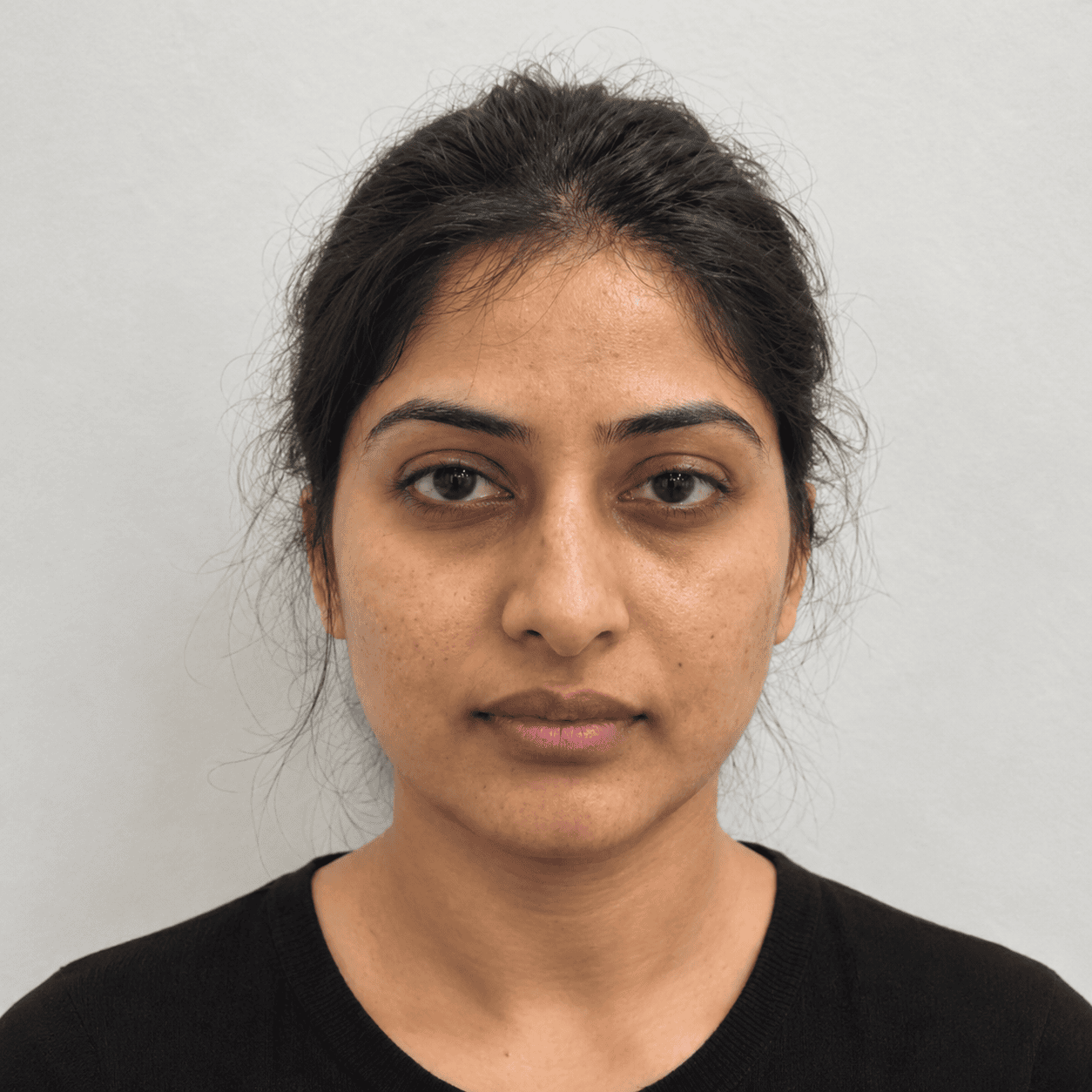
The initial photograph shows a comparatively less defined nasal bridge and mild irregularities around the tip. The treatment aimed to improve contour continuity, enhance nasal definition and achieve a more harmonious relationship between the nose and surrounding facial features.
Medical History
No significant medical conditions were reported. The patient underwent a suitability assessment before beginning the pigmentation-reduction programme.
Lifestyle Factors
No particular lifestyle-related cause was identified. The decision to undergo treatment was guided by the patient's aesthetic preferences, facial anatomy and desire for a non-surgical approach.
Diagnosis Summary
The aesthetic assessment identified mild nasal contour irregularities with reduced bridge and tip definition. The proposed correction focused on improving the appearance of nasal proportions through carefully planned filler placement rather than changing the underlying bone or cartilage.
Clinical Results
The supplied photographic comparison suggests a more streamlined nasal appearance, with improved visual definition through the bridge and tip. The overall contour appears smoother and better integrated with the surrounding facial features. Because the photographs were taken from different angles, precise changes in symmetry, projection and nasal dimensions cannot be established.
Before

After
Treatment Plan
Melasma Reduction Treatment
A personalised nasal contouring procedure was planned to address Aditi's aesthetic concerns without surgical intervention. Dermal filler was carefully positioned according to her nasal anatomy to improve contour transitions, enhance bridge definition and refine the appearance of the tip. The treatment was intended to create subtle visual improvements rather than reduce nasal size or permanently alter its underlying structure.
Duration & Frequency
The procedure involved one treatment session lasting approximately 30–45 minutes. Initial swelling and tenderness generally settle over the first several days, with a more established appearance developing within approximately 1–2 weeks. The final assessment was scheduled during this period to evaluate contour definition and overall facial balance.

Progress Timeline
Measured Outcomes
Smoother
Nasal Contour
Defined
Nasal Bridge
Refined
Nasal Tip
Harmonised
Facial Proportions

Doctor's Clinical Insight
“Non-surgical nose reshaping is intended to improve contour and proportion rather than replace surgical rhinoplasty. In appropriately selected patients, precise filler placement can enhance nasal definition while maintaining natural facial features. Because the nose has a complex vascular network, careful anatomical planning, appropriate technique and patient safety must remain the highest priorities.”
Dr. Ashok Patel

Patient Experience
“I wanted to improve the shape and definition of my nose, but I wasn’t ready for surgery. I was looking for a subtle change rather than a completely different nose. After the treatment settled, I noticed that the bridge looked smoother and the overall shape appeared more refined. The result still looks like my nose, just more balanced.”
Aditi Rao
Start With a Personalised Beard Assessment
Nasal anatomy, facial proportions and individual aesthetic goals determine whether non-surgical contouring is appropriate. A detailed consultation helps assess suitability, explain potential risks and establish realistic expectations regarding achievable improvements, recovery and treatment longevity.