Advanced Pigmentation Treatment in Mumbai
Request a Free Quote
- DN. Nagar, Andheri West, Mumbai
- 30–60 min sessions
- Minimal to moderate downtime
- Medical-grade technology
What is Pigmentation Treatment?
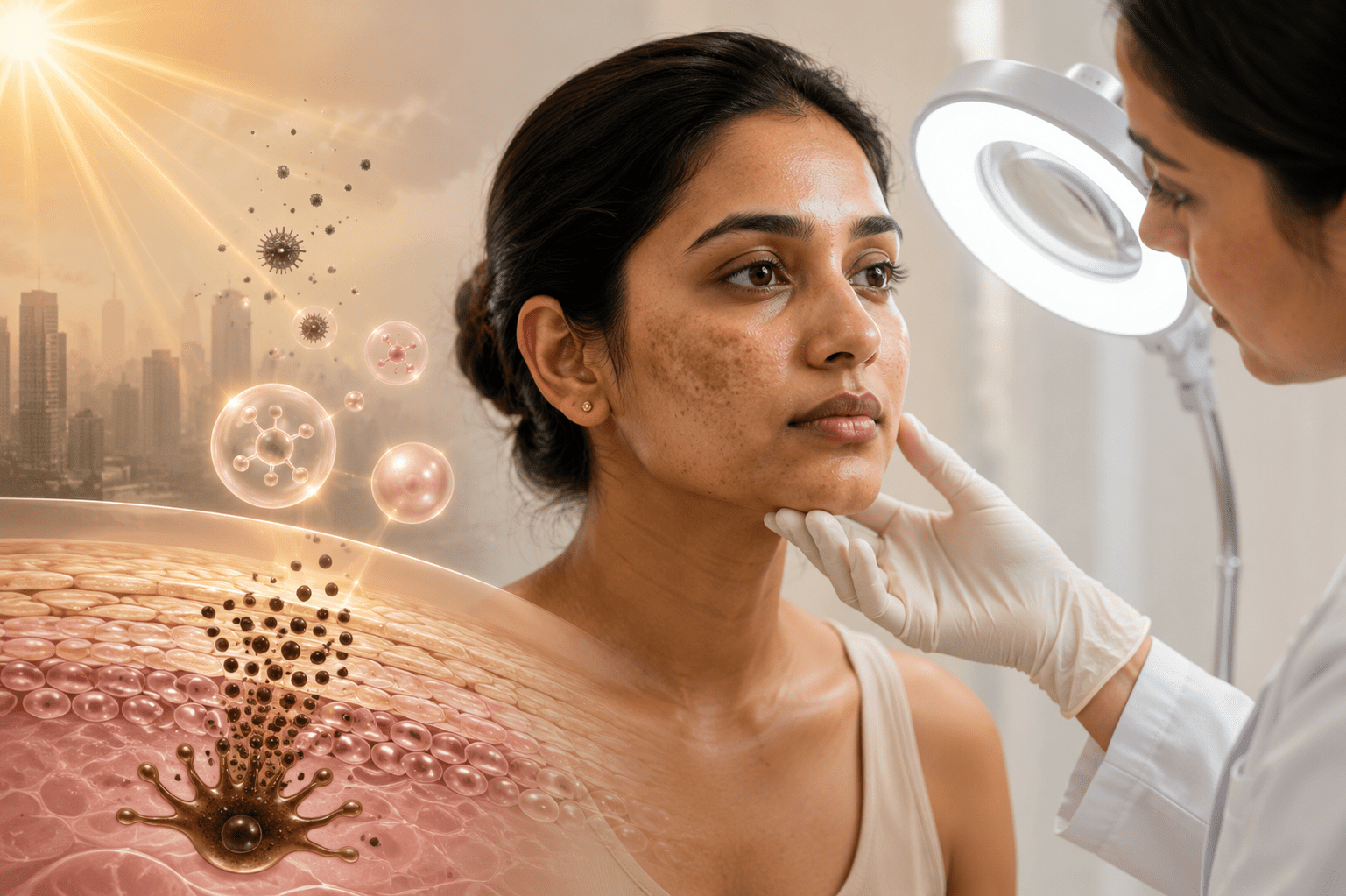
What Causes Pigmentation and Dark Spots on Indian Skin in Mumbai?
What Skin Concerns Does Our Pigmentation Treatment in Mumbai Address?

Melasma
Deep-seated hormonal pigmentation on cheeks, forehead, upper lip, and jawline – the most common and challenging pigmentation disorder among Indian women in Mumbai.

Post-Inflammatory Hyperpigmentation
Dark marks and residual discolouration following acne breakouts, eczema flares, allergic reactions, or skin injuries – extremely common in Indian skin types.

Sun Damage and Photoageing Spots
Localised dark spots, solar lentigines, and uneven skin tone caused by cumulative UV exposure – accelerated by Mumbai's year-round high UV index.

Periorbital Hyperpigmentation
Dark circles and under-eye pigmentation caused by thin periorbital skin, vascular prominence, and melanin deposition – a frequent concern among Mumbai patients.

Acanthosis Nigricans
Darkened, velvety skin in body folds – neck, underarms, and groin – associated with insulin resistance, hormonal imbalance, or friction.

Tan and Sun-Induced Dullness
Generalised skin darkening and loss of radiance from chronic sun exposure and environmental oxidative damage in Mumbai's tropical climate.

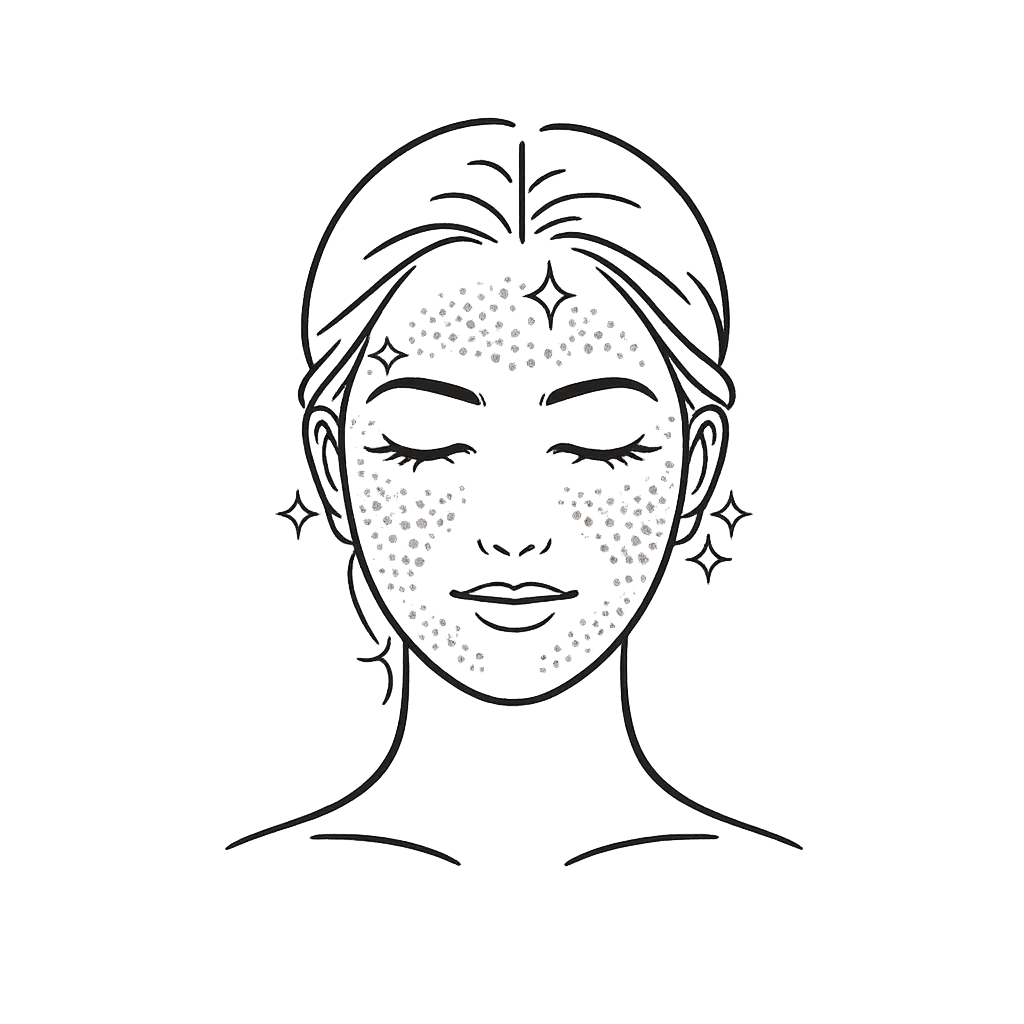
Freckles and Lentigines
Scattered focal melanin deposits on the face, chest, and hands – worsened by UV exposure and commonly seen in patients from Andheri, Versova, and Juhu.

Uneven Skin Tone
Patchy, blotchy complexion with inconsistent pigmentation across the face – often the cumulative result of multiple pigmentation triggers acting simultaneously.
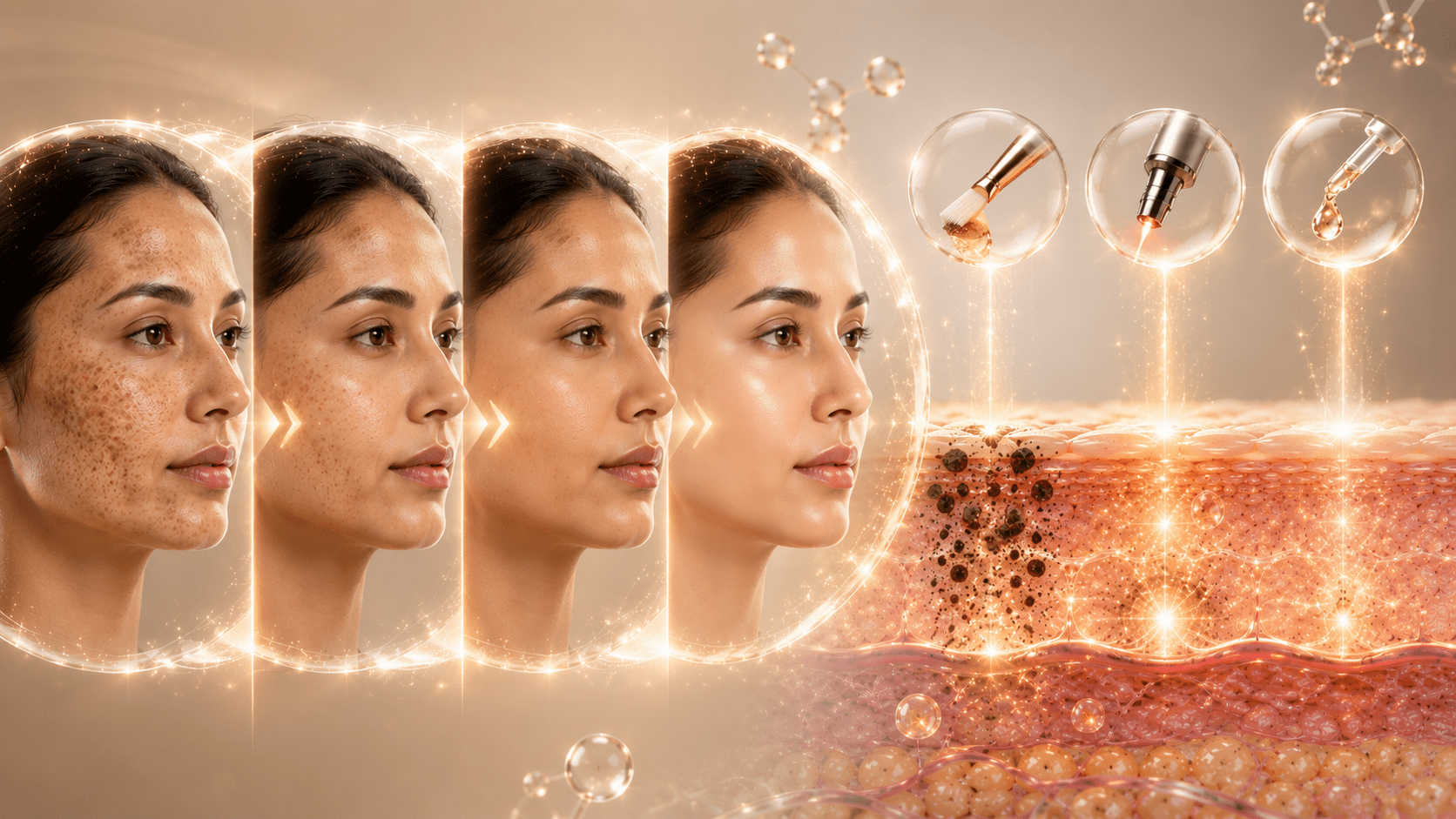
Clinically Measured Pigmentation Correction Results
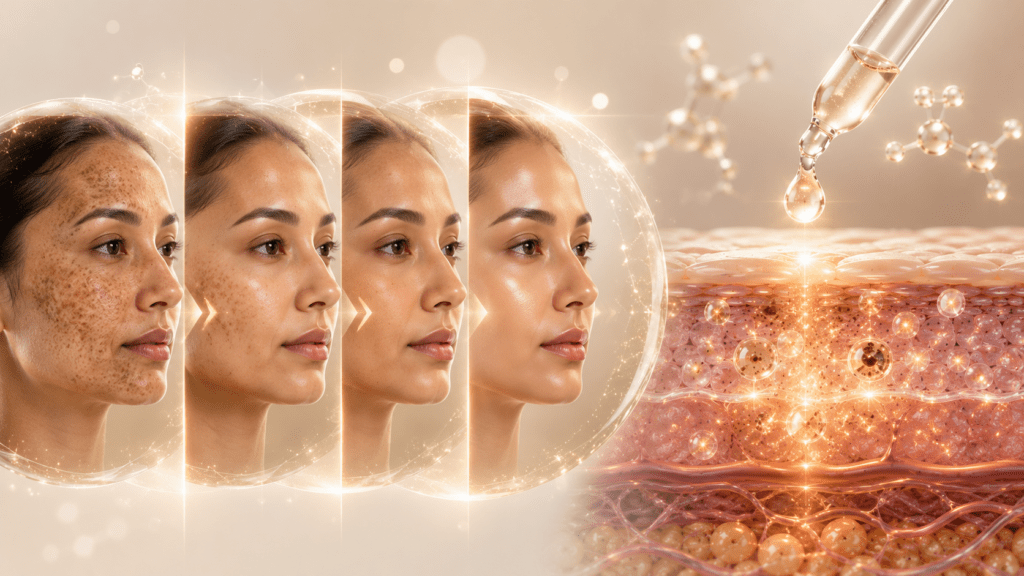
Progressive improvement in skin clarity, melanin regulation, and overall complexion evenness with dermatologist-guided pigmentation treatment at Brilliance Cosmocare, Andheri West.
How Does Clinical Pigmentation Treatment Work?
Pigmentation Treatment Protocol at Our Mumbai Clinic

Comprehensive Skin Analysis
Wood's lamp examination and dermoscopic assessment to determine the depth and type of pigmentation – epidermal, dermal, or mixed – before any treatment is initiated

Medical-Grade Chemical Peels
Physician-strength peels (glycolic, lactic, mandelic, or combination peels) calibrated to your skin type and pigmentation depth to accelerate melanin turnover
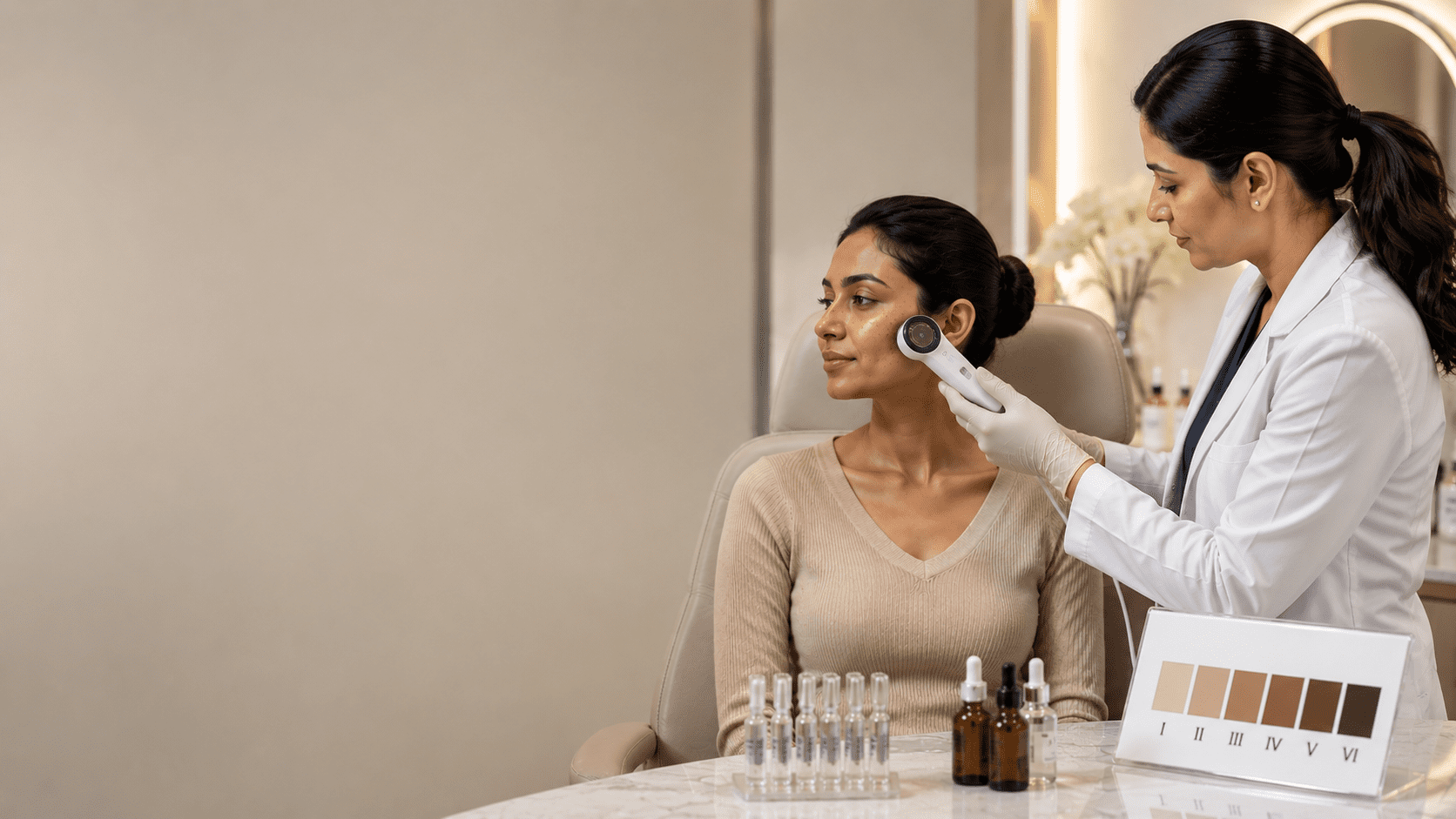
Q-Switched Nd:YAG Laser
Targeted laser energy to fragment deep dermal melanin deposits without thermal damage to the overlying epidermis – essential for treating dermal melasma in Indian skin
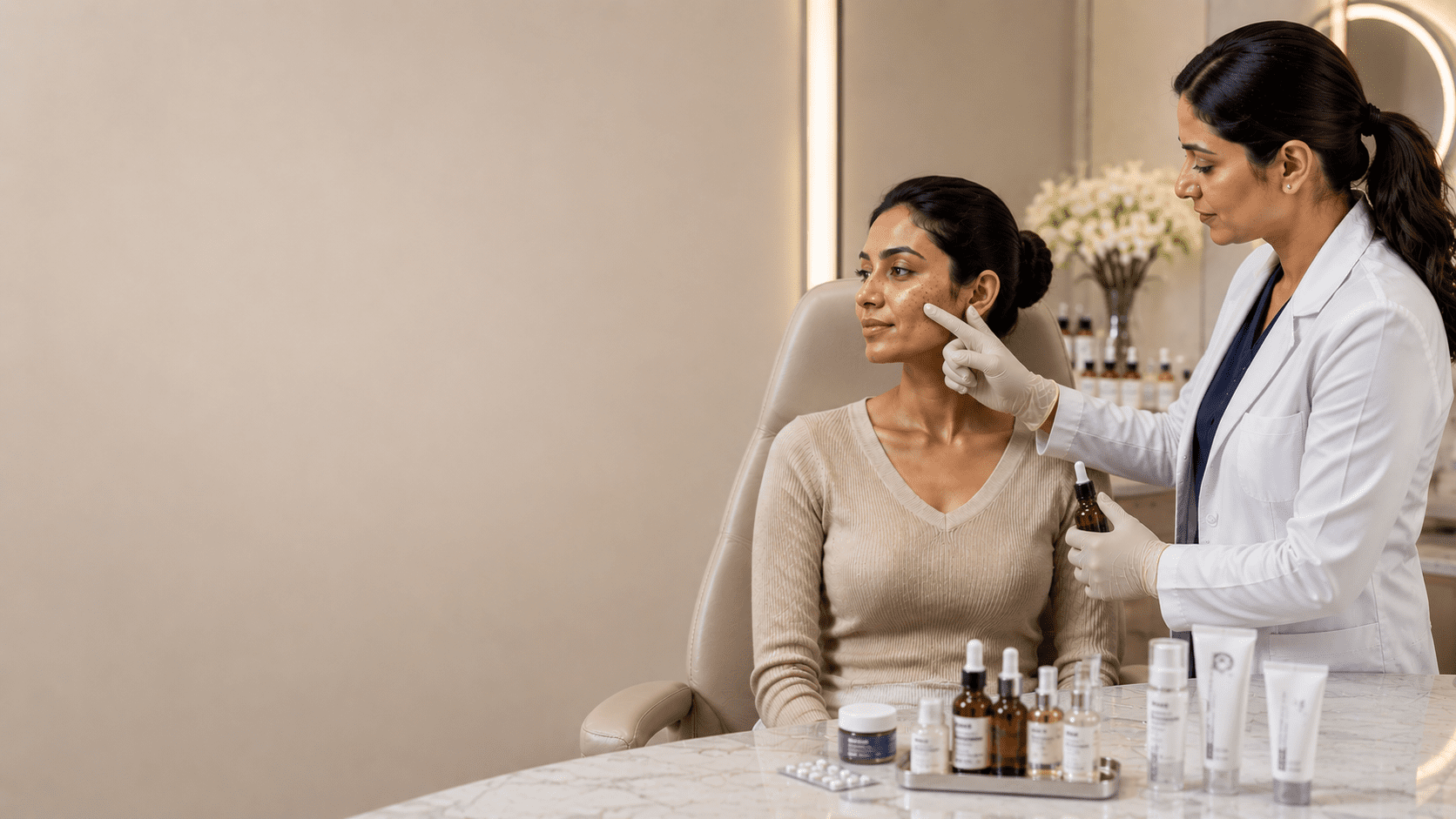
Prescription Depigmenting Agents
Medical-grade topical formulations containing tyrosinase inhibitors, retinoids, and antioxidants prescribed specifically for your pigmentation type and severity

Intense Pulsed Light Therapy
Broadband light pulses targeting superficial pigment and vascular components contributing to uneven skin tone and redness
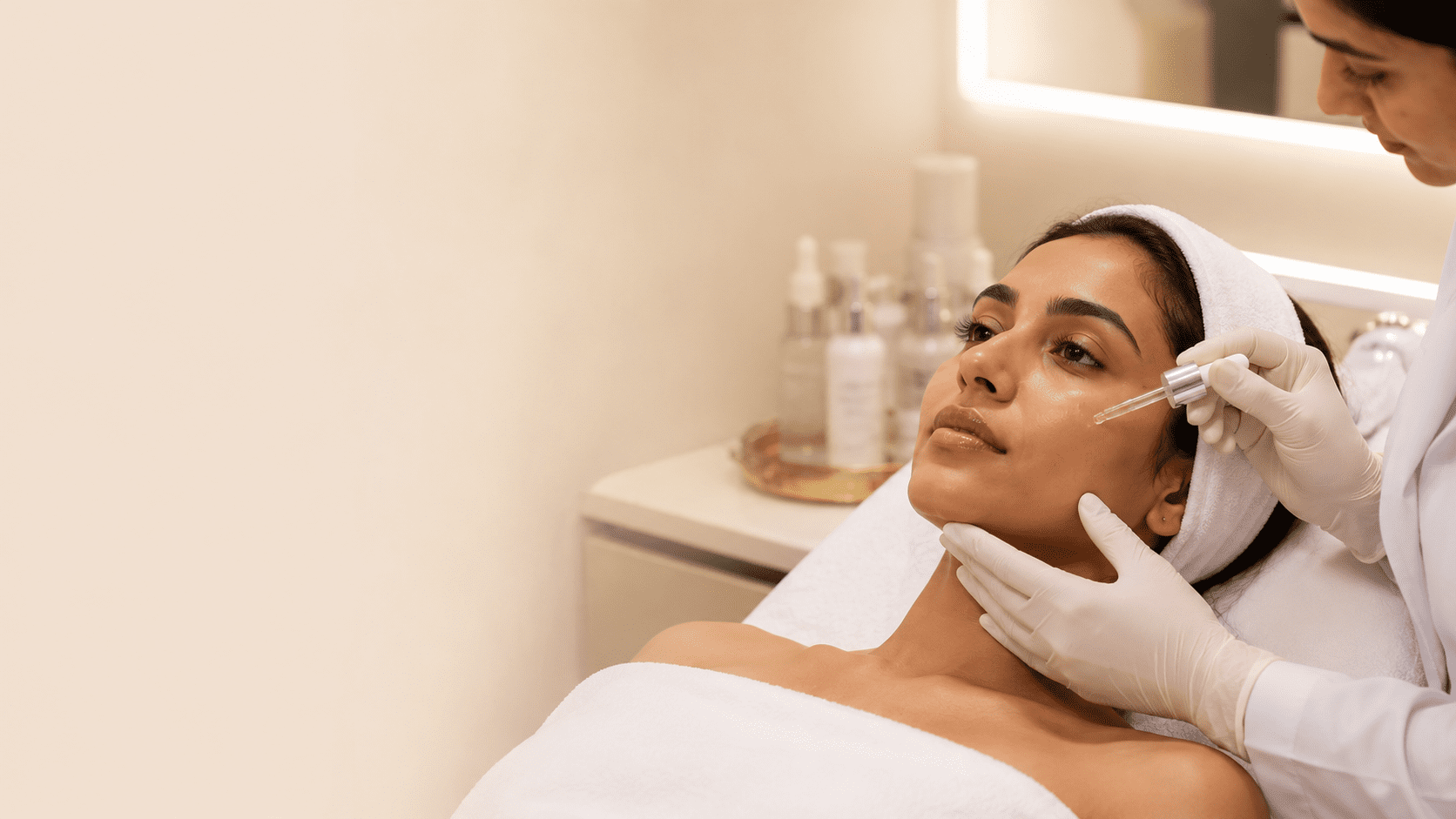
Antioxidant Infusion
Post-treatment skin barrier restoration using ceramide-based formulations and medical-grade sunscreens to prevent post-inflammatory rebound pigmentation
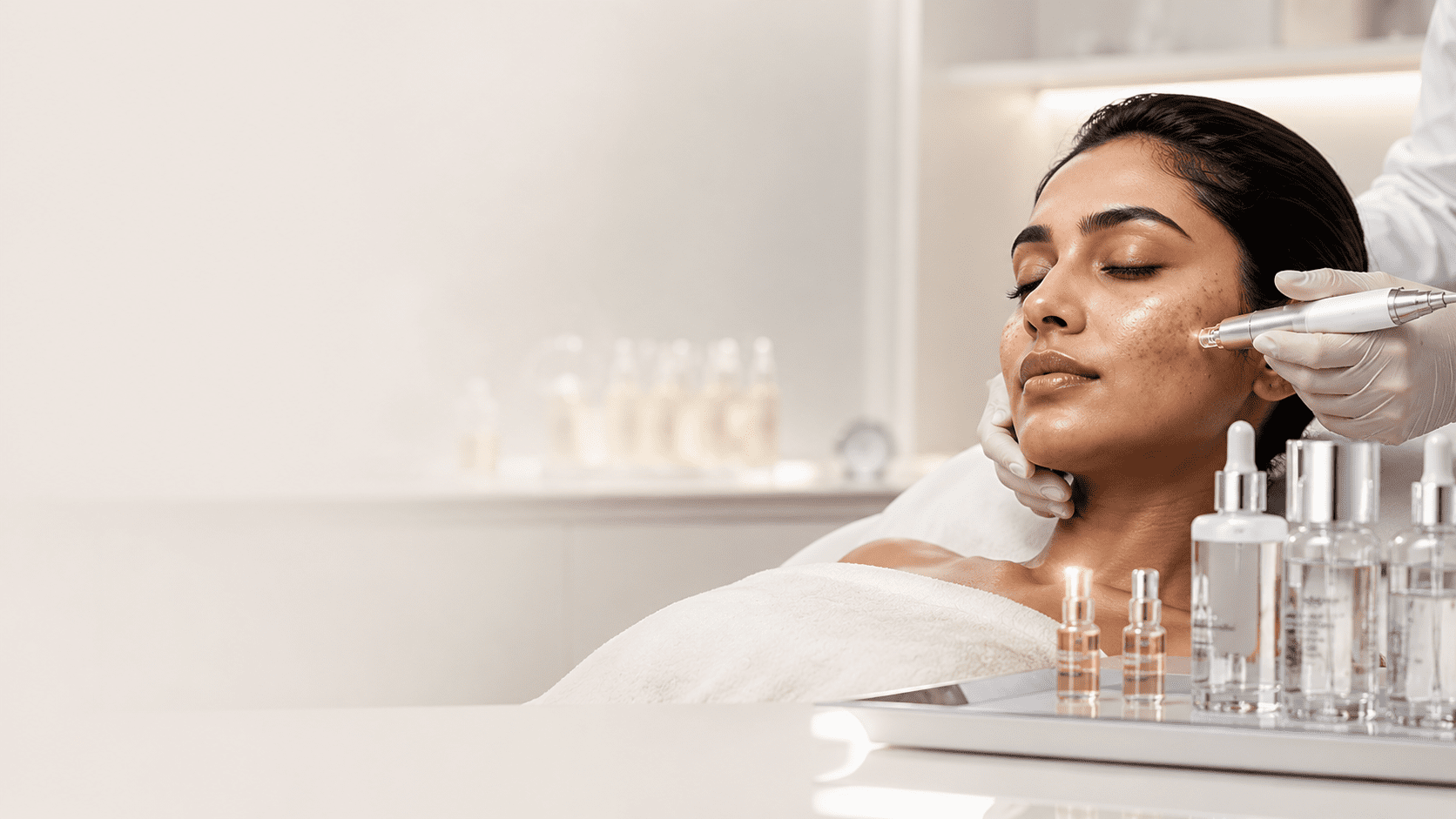
Antioxidant Infusion
Clinical-grade vitamin C, niacinamide, and glutathione serums delivered via iontophoresis or mesotherapy to neutralise oxidative melanin triggers
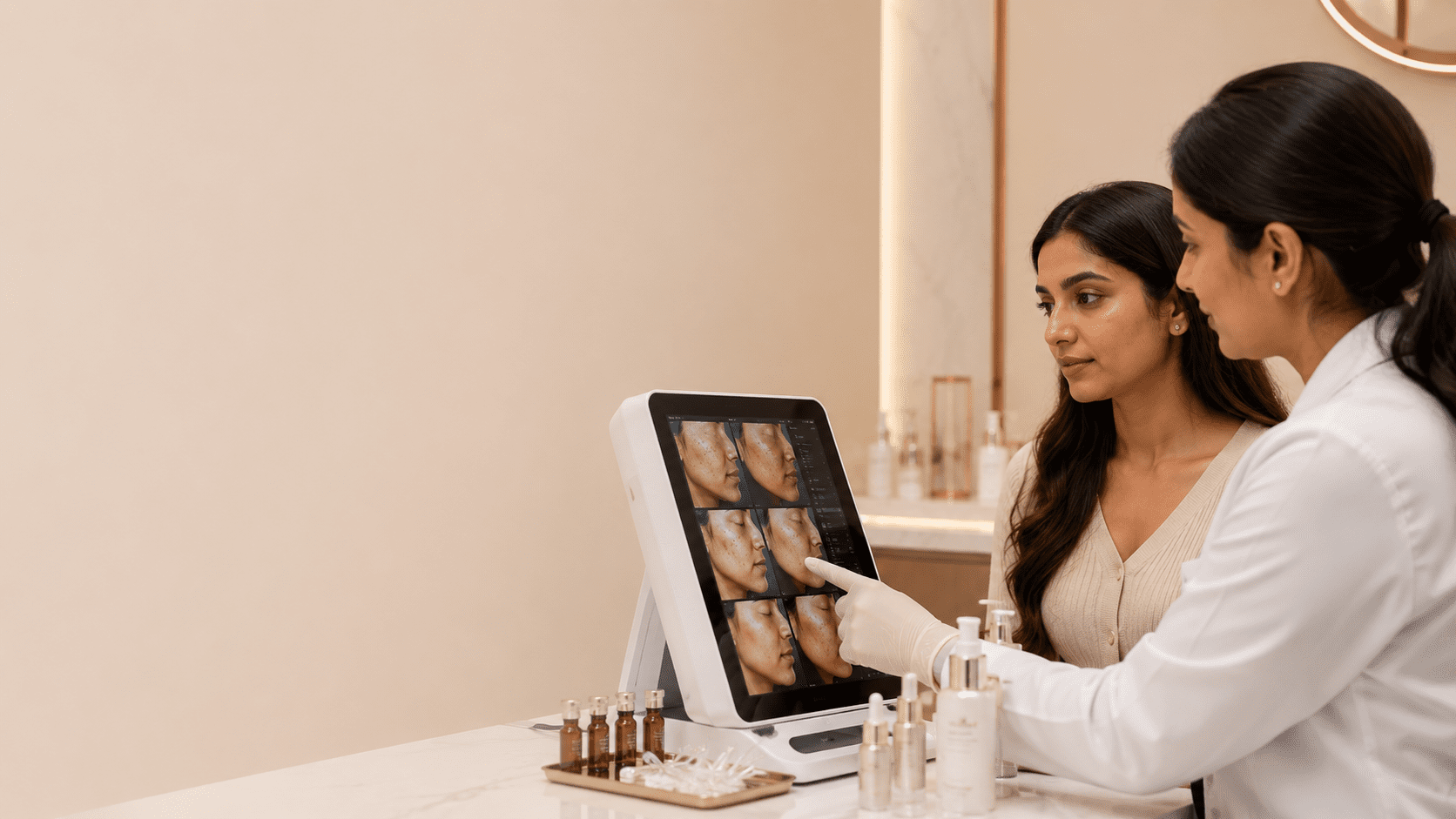
Progress Monitoring
Standardised clinical photography and dermoscopic comparison at each visit to objectively track pigmentation reduction and treatment response
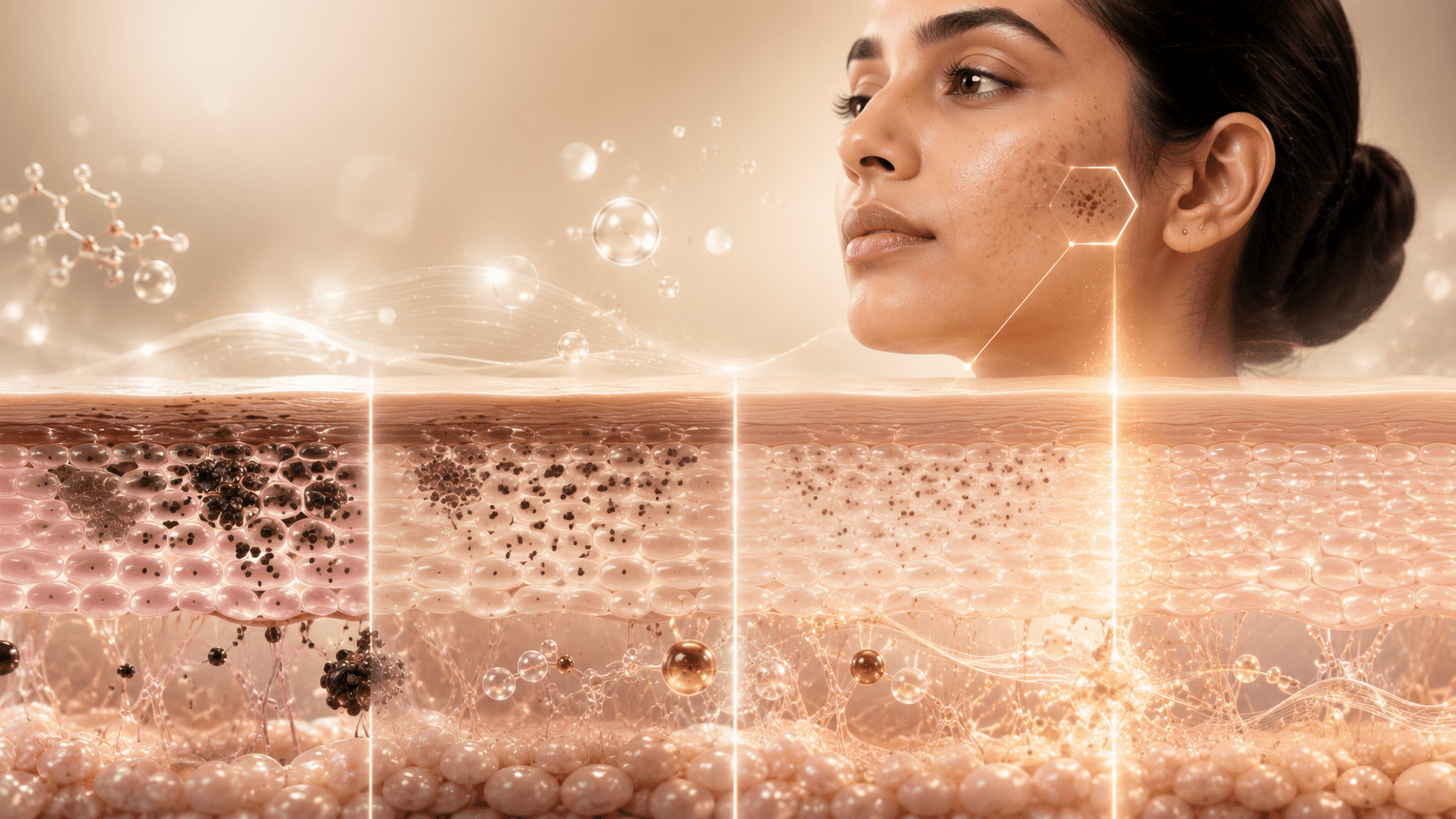
The Science of Melanin Regulation and How Treatment Produces Visible Results
Who is an Ideal Candidate for Pigmentation Treatment in Mumbai?
Who is NOT a Suitable Candidate?
Pregnant / Breastfeeding
Active Skin Infections or Open Wounds
Recent Isotretinoin Use (within 6 months)
Active Autoimmune Skin Conditions
History of Keloid or Hypertrophic Scarring
Benefits of Pigmentation Treatment in Mumbai
Key Benefits
- Visible reduction in dark spots and hyperpigmented patches
- Measurable improvement in overall skin clarity and luminosity
- Correction of melasma patches on cheeks, forehead, and upper lip
- Fading of post-acne marks and post-inflammatory discolouration
- More even, uniform skin tone across the face and neck
- Improved skin texture and radiance alongside pigmentation correction
- Customised to Indian skin types (Fitzpatrick III-V) for safe, effective depigmentation
- Progressive results with structured, multi-session protocols
- Dermatologist-prescribed homecare to sustain and protect results long-term
- Comprehensive approach addressing both active pigmentation and future prevention
Advanced Pigmentation Treatment Process – Step by Step
Skin Analysis and Dermatological Consultation
A comprehensive skin assessment is conducted before beginning your pigmentation programme, including Wood's lamp examination to classify pigmentation depth (epidermal, dermal, or mixed), dermoscopic evaluation, Fitzpatrick skin typing, and a review of your medical history, hormonal status, sun exposure habits, and previous skincare treatments. Based on this assessment, a personalised pigmentation correction protocol is designed.
In-Clinic Treatment Sessions
Based on your diagnosis, the appropriate combination of clinical modalities is administered – which may include medical-grade chemical peels, Q-switched Nd:YAG laser, IPL, or mesotherapy with depigmenting agents. Treatment parameters (peel concentration, laser fluence, session frequency) are calibrated to your specific skin type and pigmentation severity. Sessions typically last 30–60 minutes and involve minimal to moderate downtime depending on the modality used.
Prescription Homecare Protocol
Between treatment sessions, a customised prescription skincare regimen is provided to sustain and accelerate depigmentation results. This typically includes a medical-grade tyrosinase inhibitor (such as kojic acid, arbutin, or tranexamic acid formulations), a prescription retinoid for epidermal turnover, a clinical-grade antioxidant serum (vitamin C or niacinamide), and a broad-spectrum SPF 50+ sunscreen – essential for preventing repigmentation in Mumbai's high-UV environment.
Progress Assessment and Protocol Adjustment
At each follow-up visit, your dermatologist evaluates pigmentation reduction, skin tone uniformity, and barrier health using standardised clinical photography and dermoscopic comparison with your baseline assessment. The protocol is adjusted as needed – increasing or decreasing treatment intensity, modifying topical prescriptions, or introducing additional modalities based on your skin's response.
Number of Treatment Sessions Required for Pigmentation Correction in Mumbai
|
Recommended Pigmentation Treatment Plan
|
Pigmentation Type / Condition
|
|---|---|
|
Mild acne |
3–4 sessions |
|
Moderate acne |
4–6 sessions |
|
Severe or hormonal acne |
6–8 sessions |
|
Acne marks / PIH |
Additional sessions may be incorporated |
|
Acne scars |
Additional sessions may be incorporated |
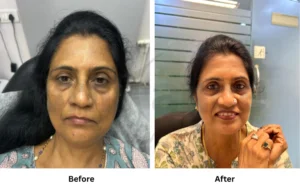
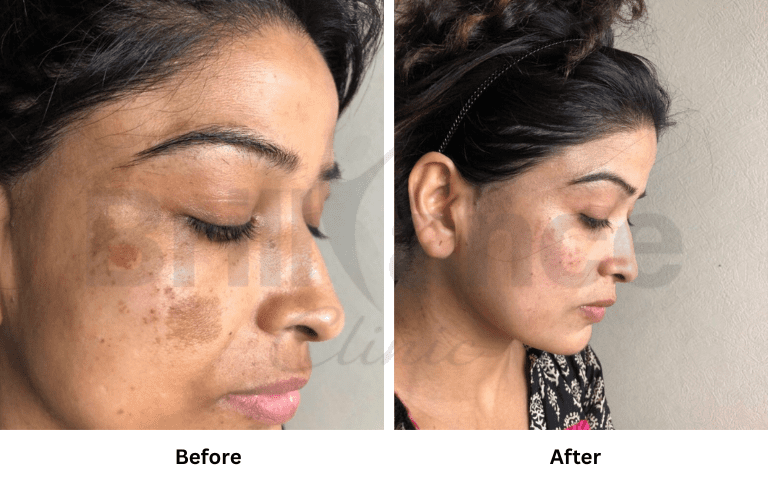
Pigmentation Treatment Before and After – Real Patient Results in Mumbai
What Realistic Pigmentation Correction Results Look Like
-
Sessions 1–2 Surface-level brightening becomes noticeable. Superficial epidermal pigment begins to lift. Skin texture feels smoother and more refined. Mild peeling or flaking may occur for 3–5 days depending on the modality used.
-
Sessions 3–4 Visible reduction in dark spots and patch intensity. Post-acne marks begin to fade significantly. Overall skin tone appears more even and luminous. Deeper melasma patches begin to lighten gradually.
-
Sessions 5–6+ Significant improvement in overall skin clarity and pigmentation reduction. Melasma patches are substantially lighter. Post-inflammatory marks are largely resolved. The focus transitions to maintenance, prevention, and long-term melanin regulation.
When Will You See Results from Pigmentation Treatment in Mumbai?

Weeks 1–3
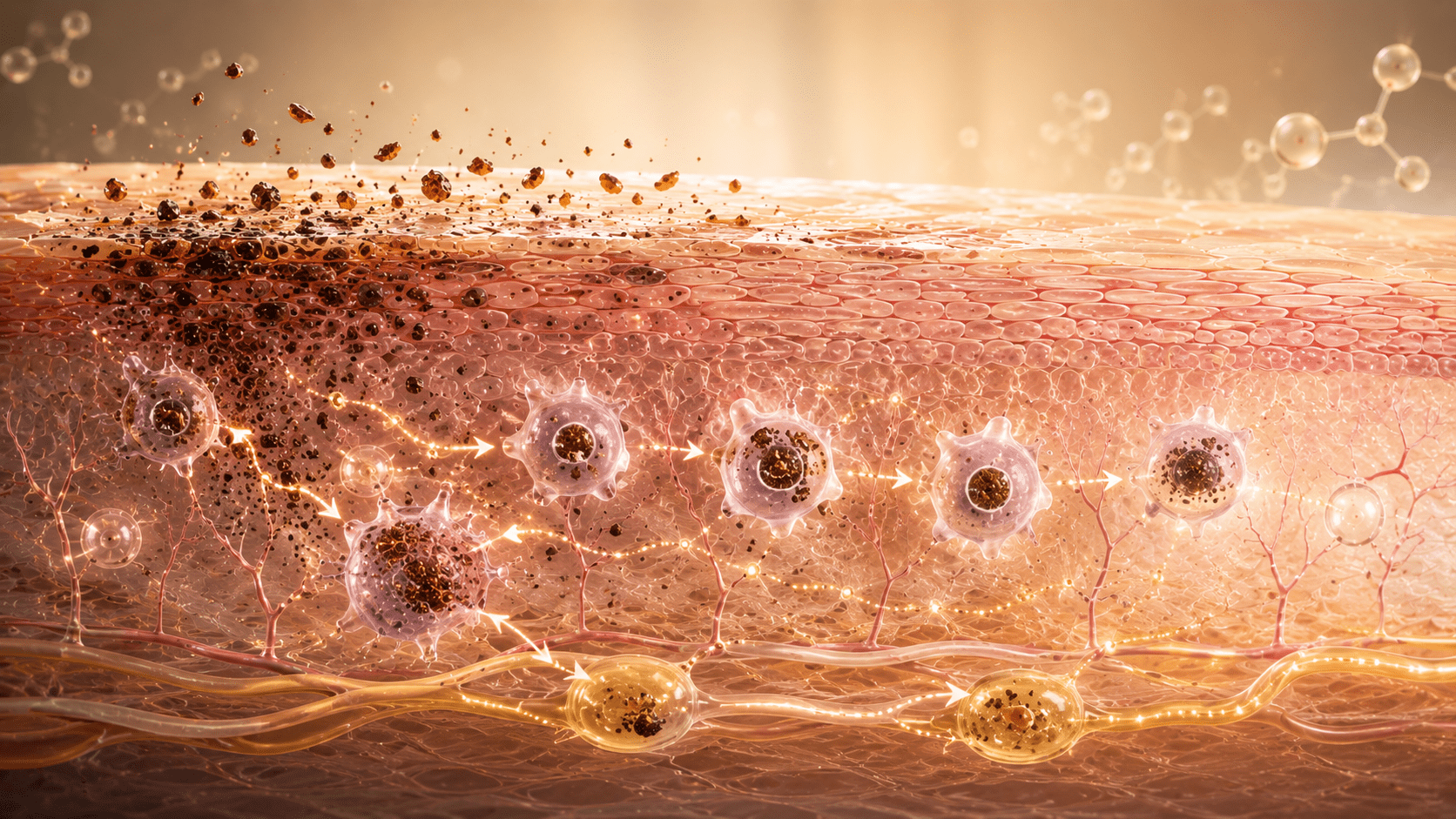
Initial brightening and surface pigment lifting become noticeable. Skin feels smoother and less dull. Superficial dark spots begin to fade. Mild post-treatment peeling resolves within a few days.
Weeks 4–8
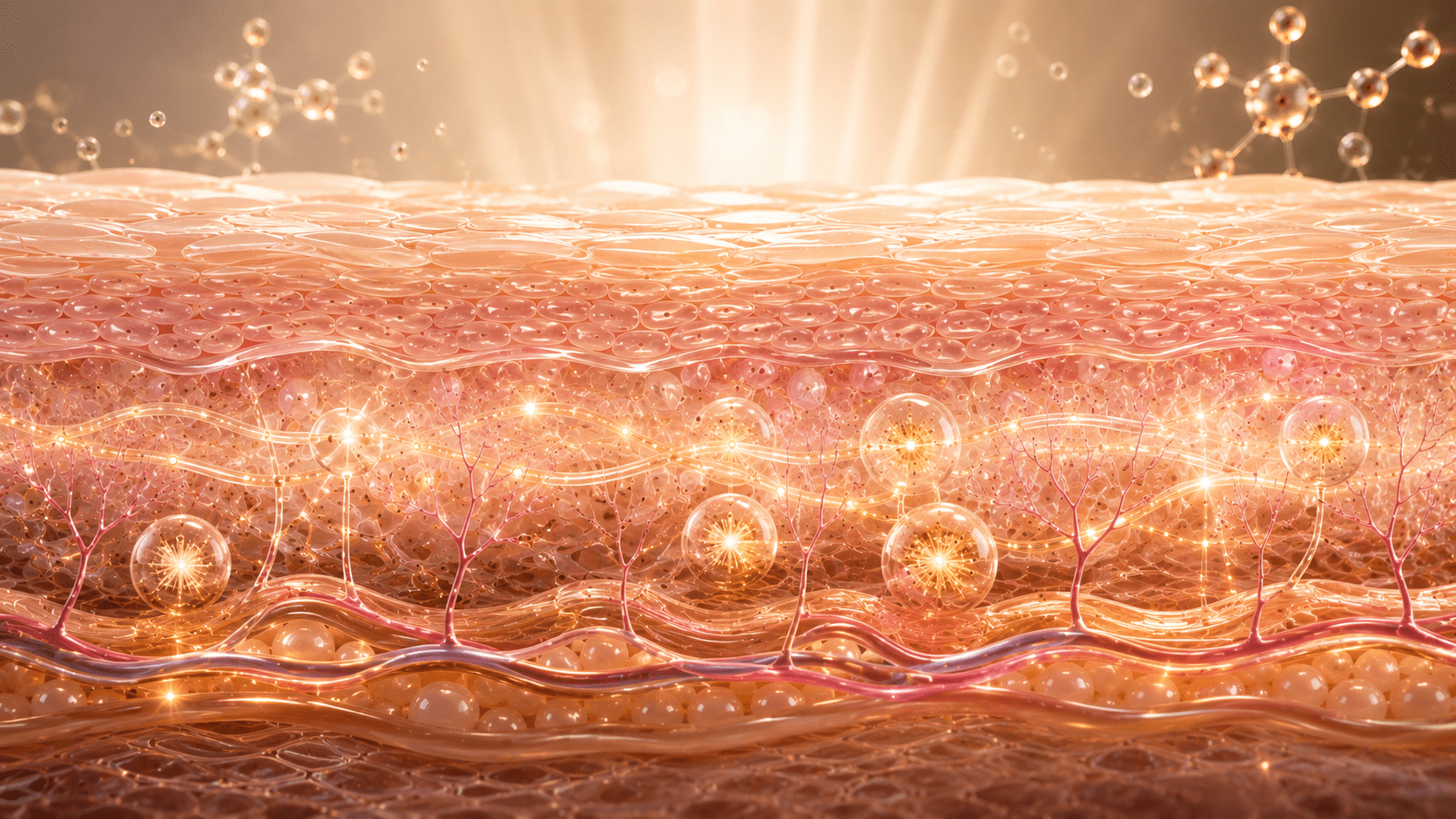
Visible reduction in hyperpigmentation intensity. Melasma patches lighten progressively. Post-acne marks fade noticeably. Overall skin tone becomes more even and radiant.
Weeks 8–16+
Significant improvement in skin clarity and tone uniformity. Deep pigmentation patches are substantially reduced. Complexion appears brighter and more even. Dermoscopic assessment confirms measurable melanin reduction.
Session-by-Session Progress Timeline for Mumbai Patients
Surface Brightening Phase
Treatment begins to suppress tyrosinase activity and accelerate the shedding of pigment-laden keratinocytes from the upper epidermis. Surface-level brightness improves progressively. Skin texture becomes smoother and more refined. Prescription homecare starts building consistent melanin regulation.
Active Depigmentation Phase
Visible reduction in dark spot intensity and melasma patch darkness. Post-inflammatory marks fade significantly. Dermoscopic assessment confirms measurable reduction in epidermal melanin density. Skin tone becomes noticeably more even and luminous.
Consolidation and Maintenance Phase
Pigmentation is substantially corrected. Skin clarity and radiance are significantly improved. The biological environment of the skin is stabilised with regulated melanin production. The focus transitions to maintenance sessions and long-term sun protection to prevent recurrence.
Clinical Evidence and Success Rate of Pigmentation Treatment
Pre and Post Care for Pigmentation Treatment in Mumbai
|
Before Your Pigmentation Session at Our Mumbai Clinic
|
After Your Pigmentation Session
|
|---|---|
|
Discontinue retinoids and exfoliating acids (AHAs, BHAs) 3–5 days before your session |
Apply broad-spectrum SPF 50 sunscreen every morning - without exception. This is the most critical post-care instruction for Mumbai patients given year-round UV exposure. |
|
Avoid waxing or threading in the treatment area for at least 5 days prior |
Avoid direct sun exposure for at least 72 hours after a peel or laser session |
|
Inform your doctor about any current medications - particularly oral antibiotics, isotretinoin, or hormonal therapy |
Use only the prescribed gentle cleanser and moisturiser - no active skincare ingredients for 48 hours post-treatment |
|
Do not apply makeup on the day of your session |
Do not scrub, exfoliate, or use face tools on treated skin |
|
Avoid excessive sun exposure or heat exposure in the 48 hours before treatment - relevant given Mumbai's outdoor commuting conditions |
Avoid picking or squeezing active pimples |
|
Avoid picking or squeezing active pimples |
Apply any prescribed preparation cream or primer as directed |
Pigmentation Treatment in Mumbai vs Other Skin Lightening Approaches
Clinical Pigmentation Treatment vs Over-the-Counter Brightening Products
Clinical Pigmentation Treatment vs Salon Facials
Clinical Pigmentation Treatment in Mumbai vs At-Home Brightening Products
| Factor | At-Home Brightening Products | Clinical Pigmentation Treatment in Mumbai |
|---|---|---|
| Melanin targeting depth | Surface epidermis only – cannot reach dermal melanin | Multi-depth – targets epidermal, dermal, and mixed pigmentation simultaneously |
| Active ingredient strength | Low-concentration cosmetic-grade formulations | Physician-strength medical-grade agents calibrated to skin type |
| Personalisation | Generic formulation for mass market use | Customised to your pigmentation type, depth, cause, and Fitzpatrick skin type |
| Medical supervision | None | Dermatologist-monitored at every treatment session |
| Efficacy for melasma and deep pigmentation | Limited to minimal | Clinically documented in peer-reviewed dermatological literature |
| Risk of rebound pigmentation from incorrect use | High – especially with unsupervised hydroquinone or steroid-based products | Minimised through medical oversight, calibrated treatment parameters, and structured post-care protocol |
Cost of Pigmentation Treatment in Mumbai
Factors That Influence Pigmentation Treatment Pricing in Mumbai
Pigmentation Type and Depth
Superficial epidermal pigmentation requires fewer sessions than deep dermal melasma or mixed-depth hyperpigmentation
Treatment Area Coverage
Larger treatment areas (full face, neck, decolletage, or body areas) affect session duration and product usage
Number of Treatment Sessions
Directly correlates with total programme investment – more sessions mean greater cumulative cost
Combination Protocol
Medical-grade topical formulations containing tyrosinase inhibitors, retinoids, and antioxidants prescribed specifically for your pigmentation type and severity
Maintenance Programme
Quarterly maintenance sessions after the initial programme are priced separately from the primary treatment course
Prescription Homecare
Medical-grade depigmenting serums, retinoids, sunscreens, and barrier repair products prescribed as part of your programme