Revision Hair Transplant in Mumbai

Unsatisfactory results from a previous hair transplant – unnatural-looking hairlines, visible plugginess, poor density, patchy coverage, cobblestoning, wide donor scars, or simply insufficient improvement – are among the most emotionally distressing aesthetic concerns affecting men and women across Mumbai. From patients in Andheri West and Lokhandwala who received poorly designed hairlines at budget clinics to those across Versova, Juhu, Bandra, and the wider western suburbs living with visible transplant artefacts, bad scarring, or unfulfilled expectations from prior surgeries, the consequences of substandard hair transplant work can be devastating to confidence and self-image. At Brilliance Cosmocare, one of Mumbai’s leading hair restoration clinics in Andheri West, we offer advanced, surgeon-led revision hair transplant – a specialised corrective surgical programme designed to repair, refine, and transform unsatisfactory results from previous hair transplant procedures into natural-looking, aesthetically refined outcomes. Our clinical approach combines honest diagnostic assessment of the previous work, a clear corrective strategy, advanced FUE or FUT surgical techniques, and the artistic skill required to convert unnatural transplant results into outcomes that look like the patient was never transplanted – which is the ultimate standard of success in revision surgery.

Request a Free Quote

Home Page Form

What is Revision Hair Transplant?

Revision hair transplant (also called corrective hair transplant or repair hair transplant) is a specialised surgical procedure designed to correct, improve, or completely transform the results of a previous hair transplant that produced unsatisfactory, unnatural, or inadequate outcomes. It is one of the most technically challenging procedures in hair restoration surgery, requiring the surgeon to work within and around existing transplanted grafts, altered donor areas, and scarred tissue. At Brilliance Cosmocare in Andheri West, Mumbai, revision hair transplant is performed by our experienced surgical team who assess the specific problems created by the previous surgery, develop a detailed corrective strategy, and execute the repair using advanced microsurgical techniques. Revision cases fall into several categories: Unnatural Hairline Correction – rebuilding a poorly designed, too-straight, too-low, too-high, or pluggy hairline into a natural-looking, irregular, age-appropriate frontal hairline. Density Enhancement – adding grafts to areas where the previous transplant achieved insufficient density, leaving the scalp visibly thin or see-through. Plug Removal or Camouflage – addressing the unnatural clustered appearance of old-style large-graft (plug) transplants by removing plug grafts and/or camouflaging them with natural single-hair follicular unit grafts. Donor Scar Revision – improving the appearance of wide, visible, or poorly healed linear donor scars from previous FUT (strip) surgery through scar revision, FUE transplantation into the scar, or a combination. Coverage Correction – extending coverage to areas missed by the previous transplant, filling patchy or uneven distribution, or correcting asymmetric results. Revision hair transplant is not simply repeating the previous surgery. It requires a fundamentally different surgical mindset – the surgeon must analyse what went wrong, develop a strategy to correct it within the constraints of the existing situation (altered donor area, existing graft positions, scar tissue), and execute the correction with precision artistry.

Why Previous Hair Transplants Fail – Common Problems We Correct

Understanding why a previous hair transplant produced unsatisfactory results is the essential first step in revision planning. The most common problems our Mumbai clinic corrects include: Unnatural hairline design – a hairline that is too straight, too low, too symmetrical, or positioned without consideration of the patient’s age, facial proportions, or future hair loss progression. This is the single most common reason patients seek revision. Pluggy or cobblestoned appearance – the use of large multi-follicular grafts (old-style plugs) that create visible tufts, an uneven skin surface (cobblestoning), or a doll’s-hair appearance, rather than the natural, refined look produced by individual follicular unit transplantation. Insufficient density – the previous surgery transplanted too few grafts or distributed them too diffusely, leaving the recipient area visibly thin with poor scalp coverage despite the transplant. Poor graft angle and direction – grafts placed at unnatural angles (too steep or too flat) or in the wrong direction, producing hair that grows unnaturally and cannot be styled to look like native hair. Wide or visible donor scar – a poorly closed or overly wide linear donor scar from FUT surgery that is visible even at moderate hair lengths, causing embarrassment and limiting hairstyle choices. Key insight: Most revision cases result from technical deficiencies in the original surgery – poor design, inadequate graft count, outdated technique, or technician-driven procedures lacking surgeon oversight. The good news is that the vast majority of these problems can be significantly improved or completely corrected with expert revision surgery at our Andheri West clinic.

What Problems Does Our Revision Hair Transplant in Mumbai Correct?

Our surgeon-led revision transplant programme addresses the full spectrum of unsatisfactory previous hair transplant results:

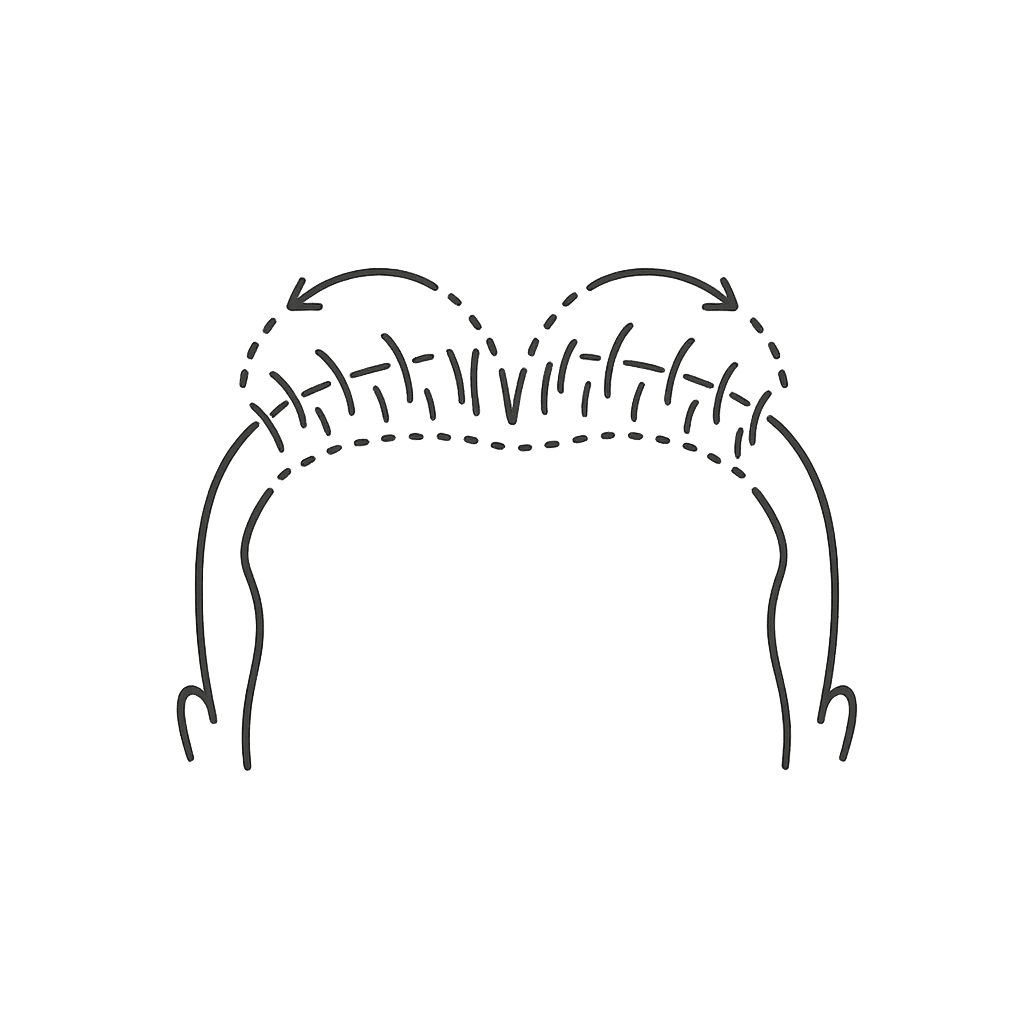
Unnatural Hairline

Redesigning and rebuilding the frontal hairline to create a natural, irregular, age-appropriate border using refined single-hair follicular unit grafts – replacing the artificial straight-line or pluggy appearance.
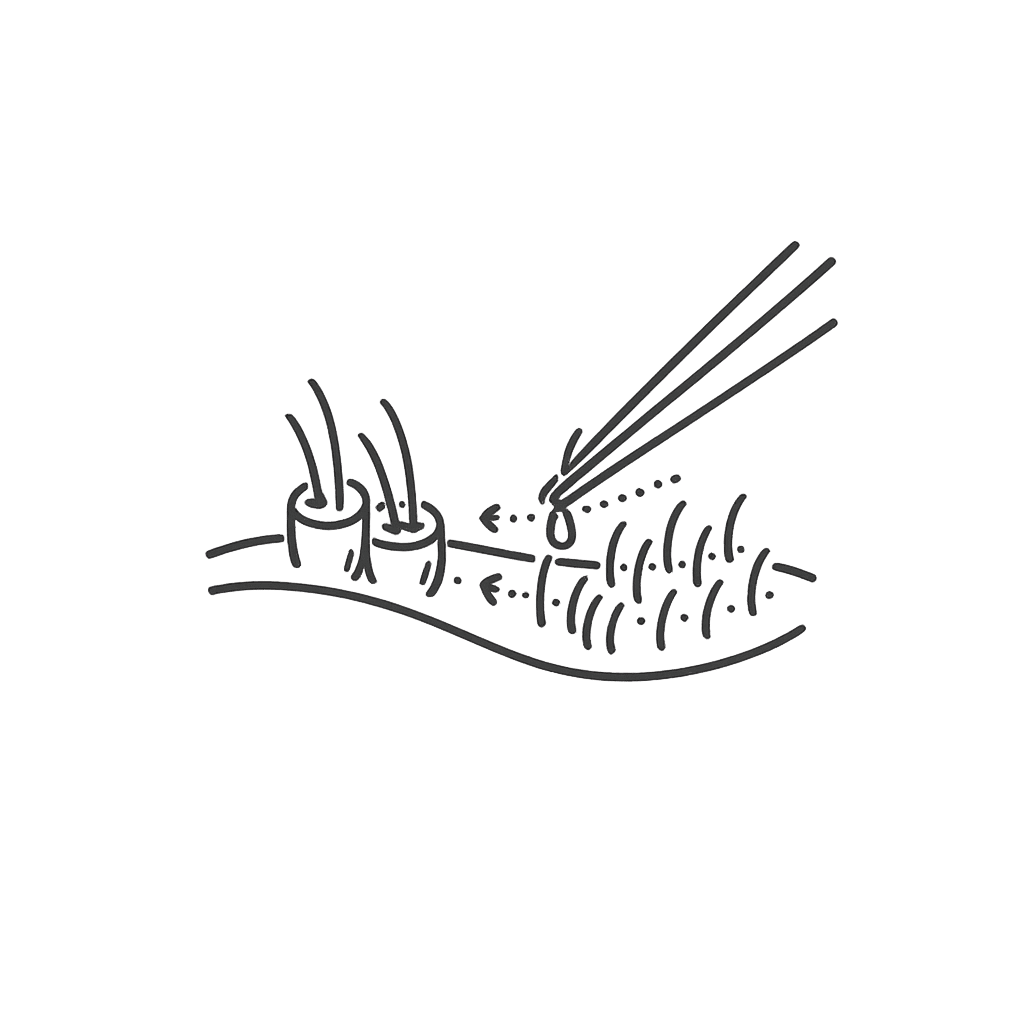
Pluggy or Tufted Grafts

Removing or reducing old-style large plug grafts and camouflaging remaining plugs with dense placement of natural single-hair follicular units between and around them.
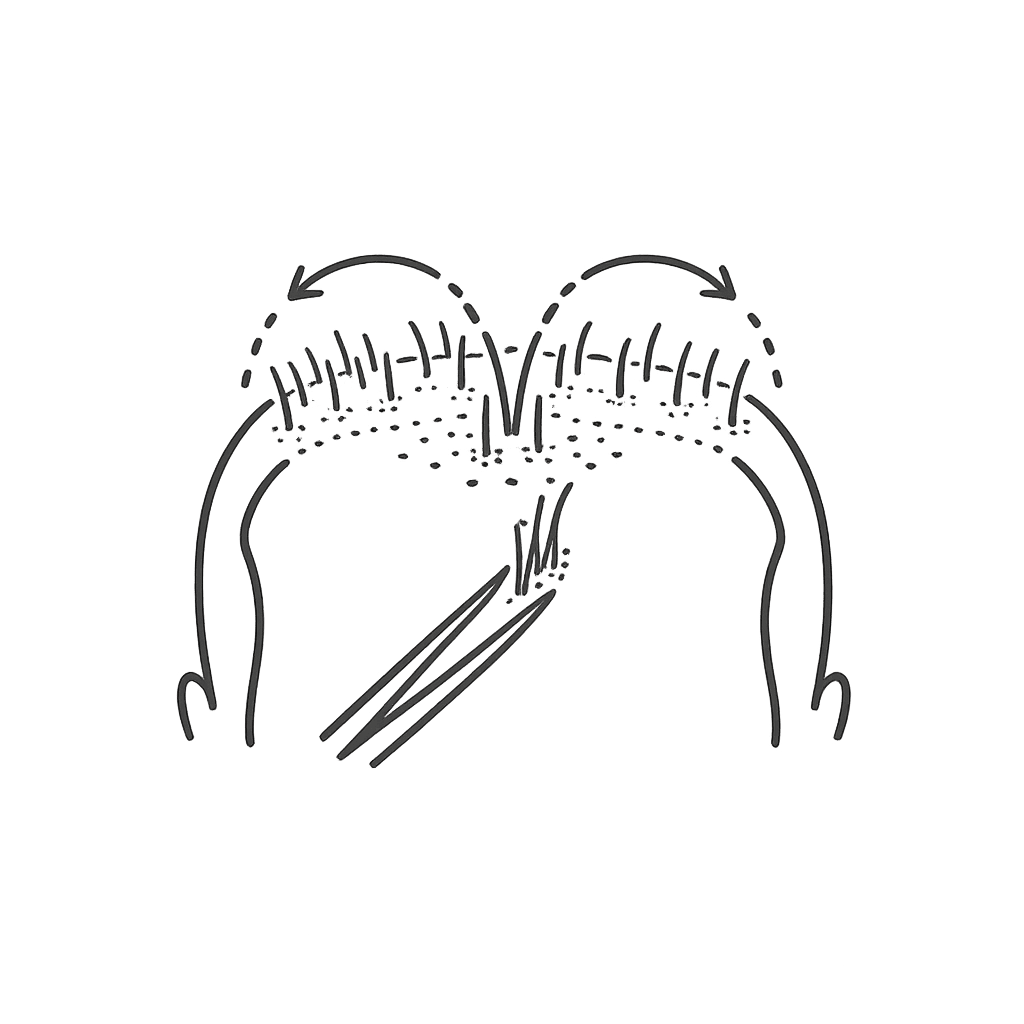
Insufficient Density

Adding additional grafts to areas where the previous transplant achieved inadequate coverage – filling thin zones and building natural-looking density throughout the transplanted region.

Poor Graft Direction or Angle

Camouflaging incorrectly angled grafts by placing new follicular units at the correct angle and direction around them, creating an overlay of natural growth pattern that masks the underlying error.
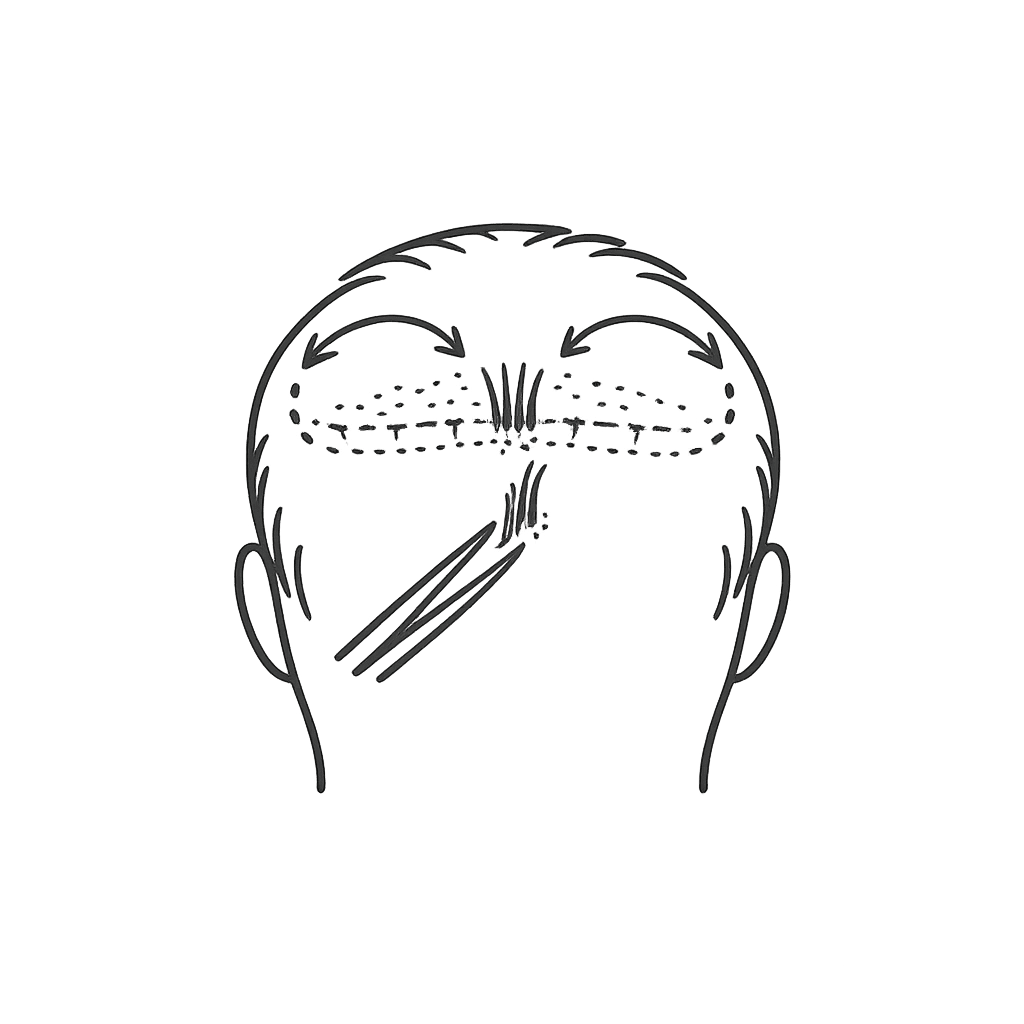
Wide or Visible Donor Scar

Improving donor scar appearance through scar revision surgery, FUE transplantation of follicular units directly into the scar tissue, or trichophytic re-closure to narrow the scar and allow hair to grow through it.
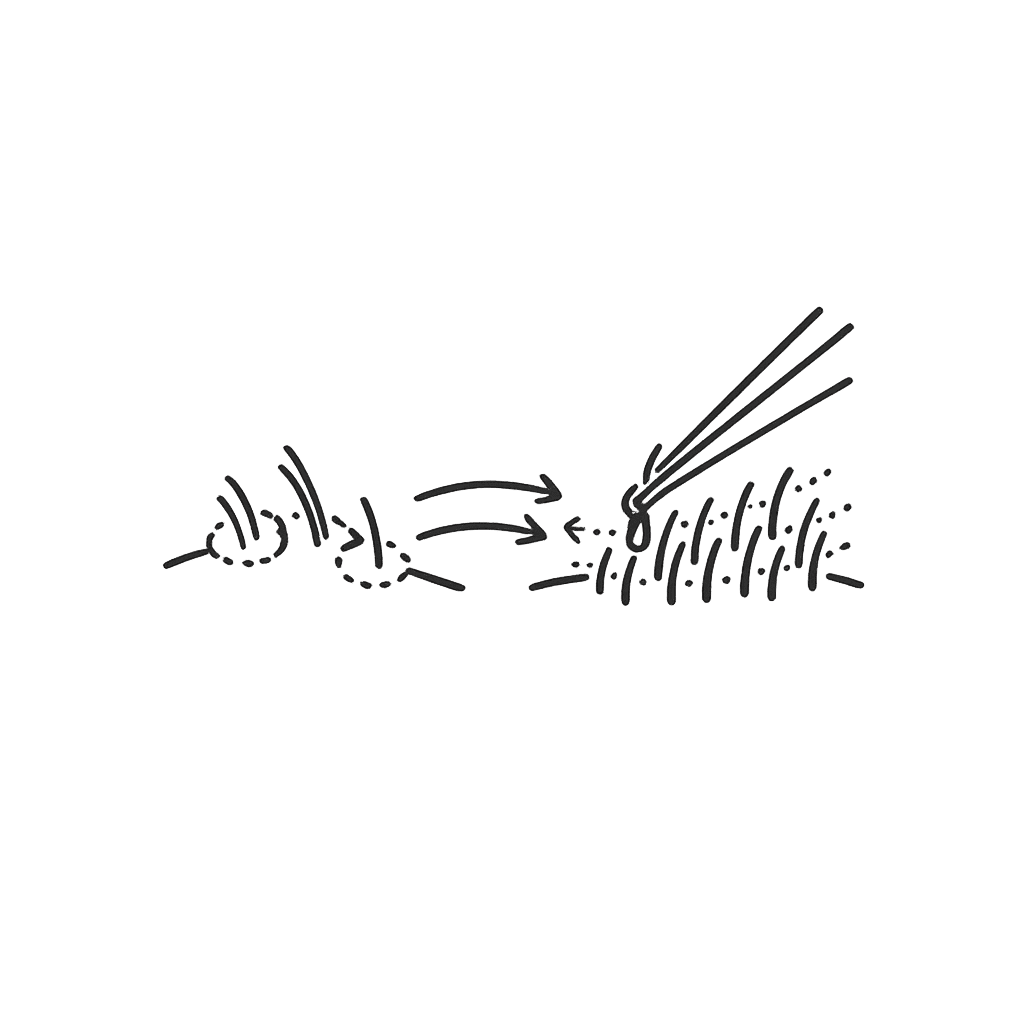
Patchy or Uneven Coverage

Filling gaps, correcting asymmetric distribution, and creating uniform density across the transplanted area for a natural, cohesive appearance.
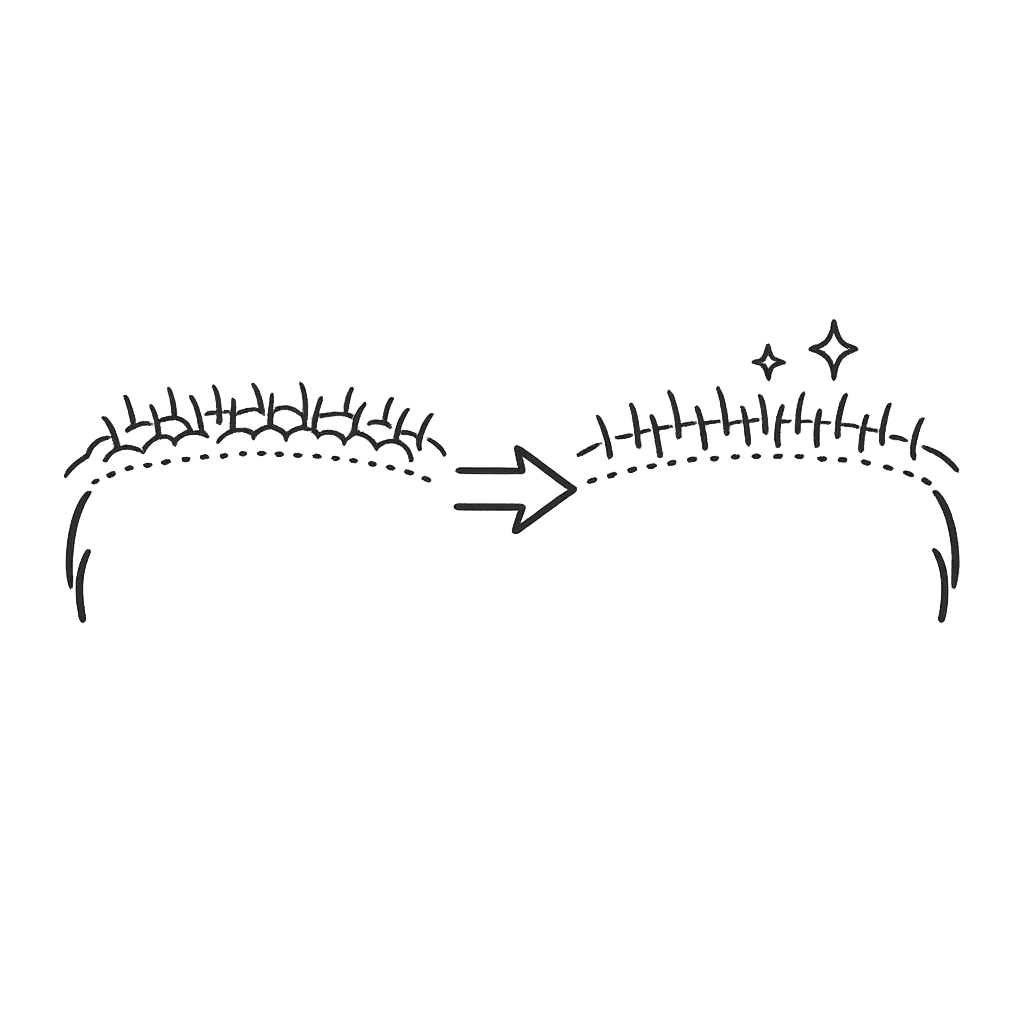
Cobblestoned Skin Surface

Smoothing the uneven, raised-graft skin surface (cobblestoning) through selective graft reduction, dermabrasion of elevated areas, or dense packing of new grafts to create a smoother, more natural surface.
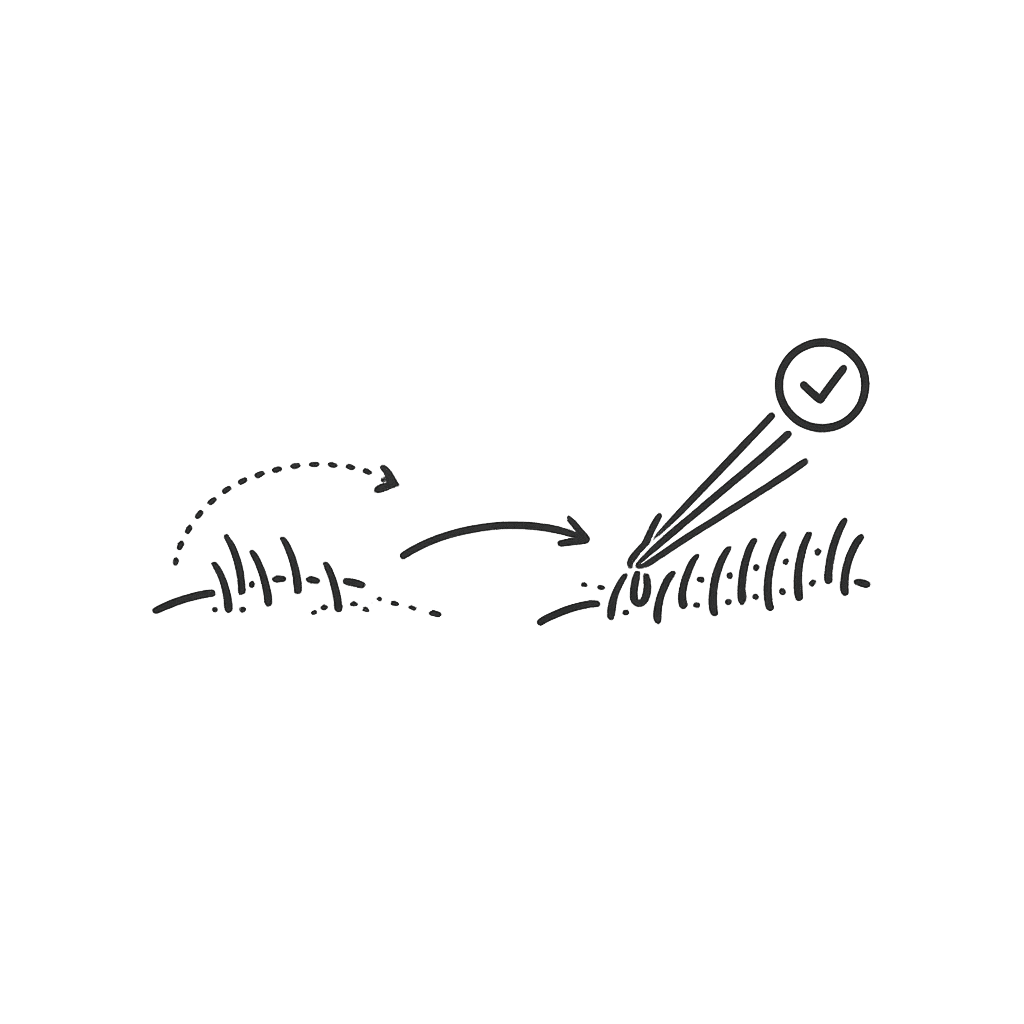
Unfinished or Abandoned Transplant

Completing restoration for patients whose previous surgeon performed an inadequate number of sessions, leaving the result incomplete and aesthetically unsatisfying.

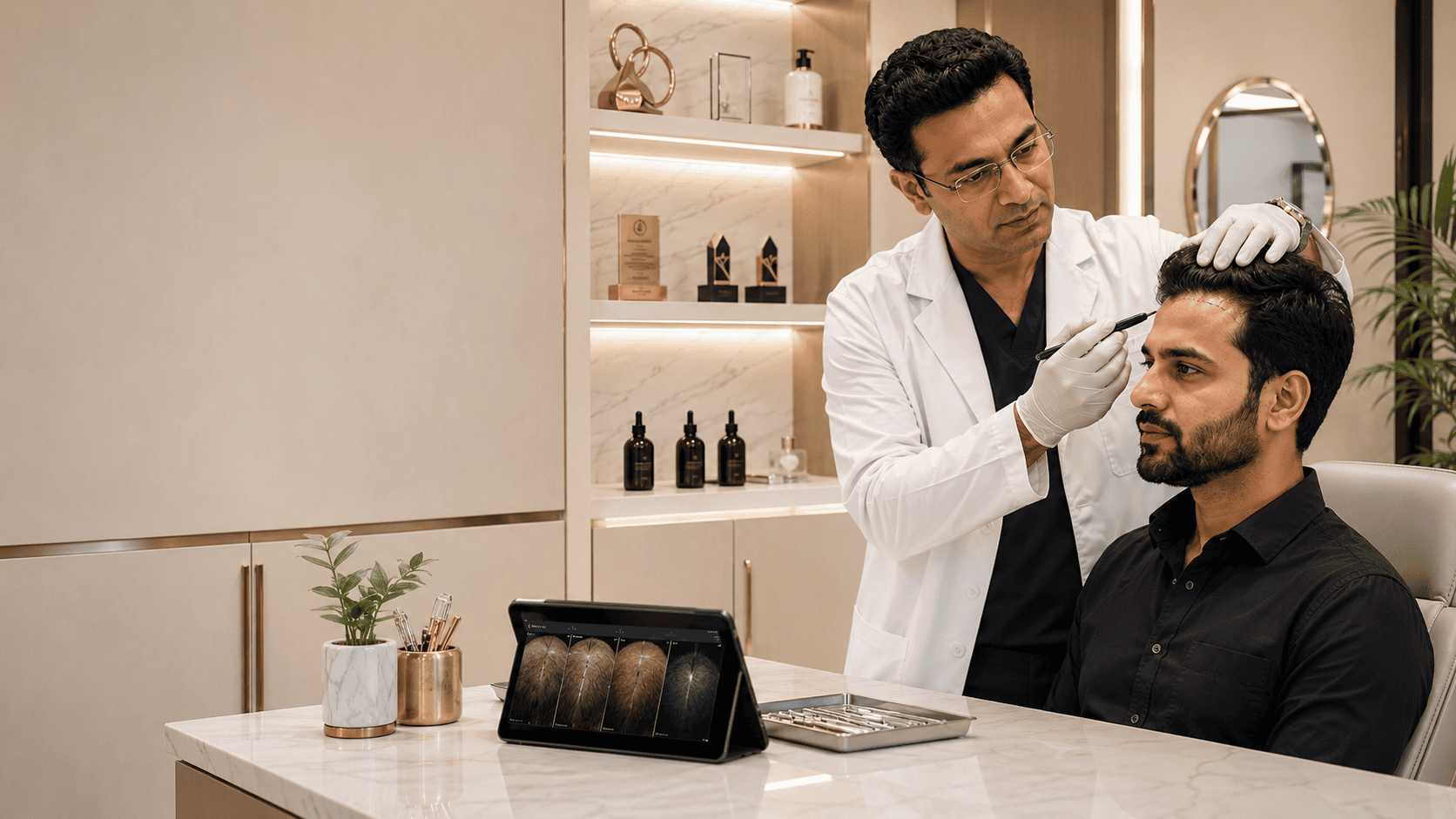
Expert Corrective Hair Transplant Results

Surgeon-led revision surgery transforming unsatisfactory previous transplant results into natural, refined outcomes at Brilliance Cosmocare, Andheri West.

Revision hair transplant requires a higher level of surgical skill than primary transplant because the surgeon must work around existing grafts, altered tissue planes, scar tissue, and a potentially compromised donor area. This is why revision cases should only be entrusted to experienced revision surgeons.

How Does Revision Hair Transplant Work?

Revision hair transplant at Brilliance Cosmocare works by analysing the specific problems of the previous surgery, developing a targeted corrective strategy, and executing precise surgical interventions to transform the result into a natural-looking outcome. The corrective approach varies depending on the specific problems present: For unnatural hairlines, the surgeon designs a new, natural hairline in front of or incorporating the existing grafts – then implants refined single-hair follicular units at natural angles and irregular spacing to create the soft, feathered hairline border that was missing from the original work. For pluggy grafts, the surgeon may excise the most prominent plugs (punch excision), divide large grafts into individual follicular units (graft downsizing), and/or densely plant new single-hair grafts between and around remaining plugs to camouflage their appearance. For insufficient density, additional follicular unit grafts are harvested from the donor area (via FUE or FUT depending on donor condition) and implanted into the under-dense areas to build coverage to a natural level. For donor scar revision, FUE grafts are transplanted directly into the scar tissue to grow hair through the scar, and/or the scar is surgically excised and re-closed using trichophytic technique for a narrower, better-concealed result. The surgeon must balance the corrective goals against the available donor supply – patients who have already undergone one or more previous transplants have a finite donor reserve, and maximising the impact of every available graft is critical in revision cases.

Revision Hair Transplant Procedure at Our Mumbai Clinic

Revision surgery requires a methodical, multi-step corrective approach tailored to each patient’s specific situation. At Brilliance Cosmocare’s Andheri West clinic, our revision protocol follows a structured, surgeon-led approach:

Comprehensive Assessment of Previous Work

Detailed evaluation of the previous transplant – graft placement quality, hairline design, density distribution, graft type and angle, donor area condition, scar quality, and remaining donor reserve – to identify every correctable problem

Corrective Strategy Development

A detailed surgical plan addressing each identified problem – specifying which grafts need removal, where new grafts will be placed, what hairline redesign is needed, and how the donor area will be managed within its remaining capacity
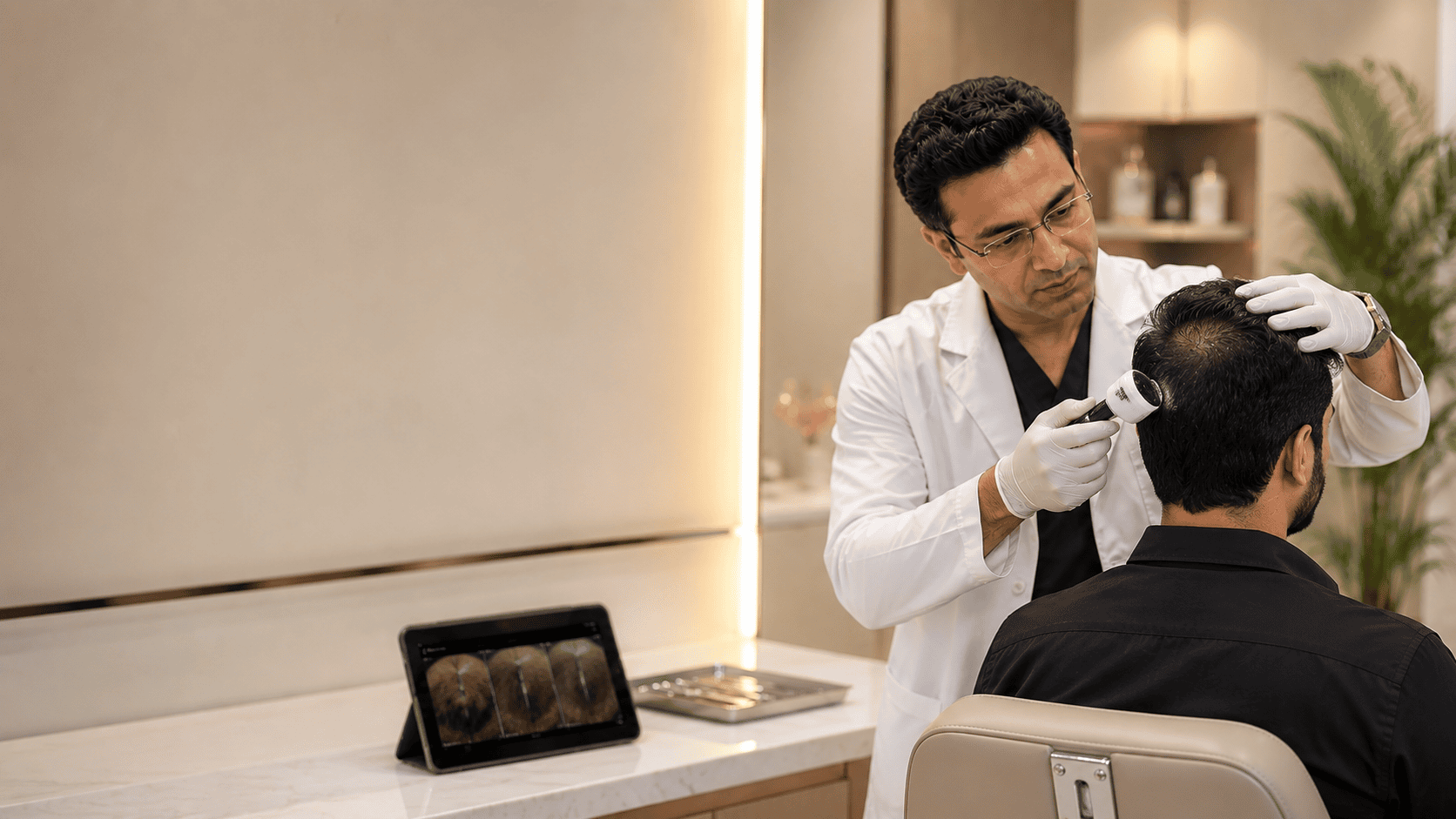
Donor Area Assessment

Thorough evaluation of remaining donor hair availability, density, and quality – critical in revision cases where previous surgery has already harvested from the donor area

Plug Excision or Downsizing (if applicable)

Removal of the most prominent unnatural plug grafts using punch excision, or dissection of large grafts into individual follicular units for re-implantation at natural angles
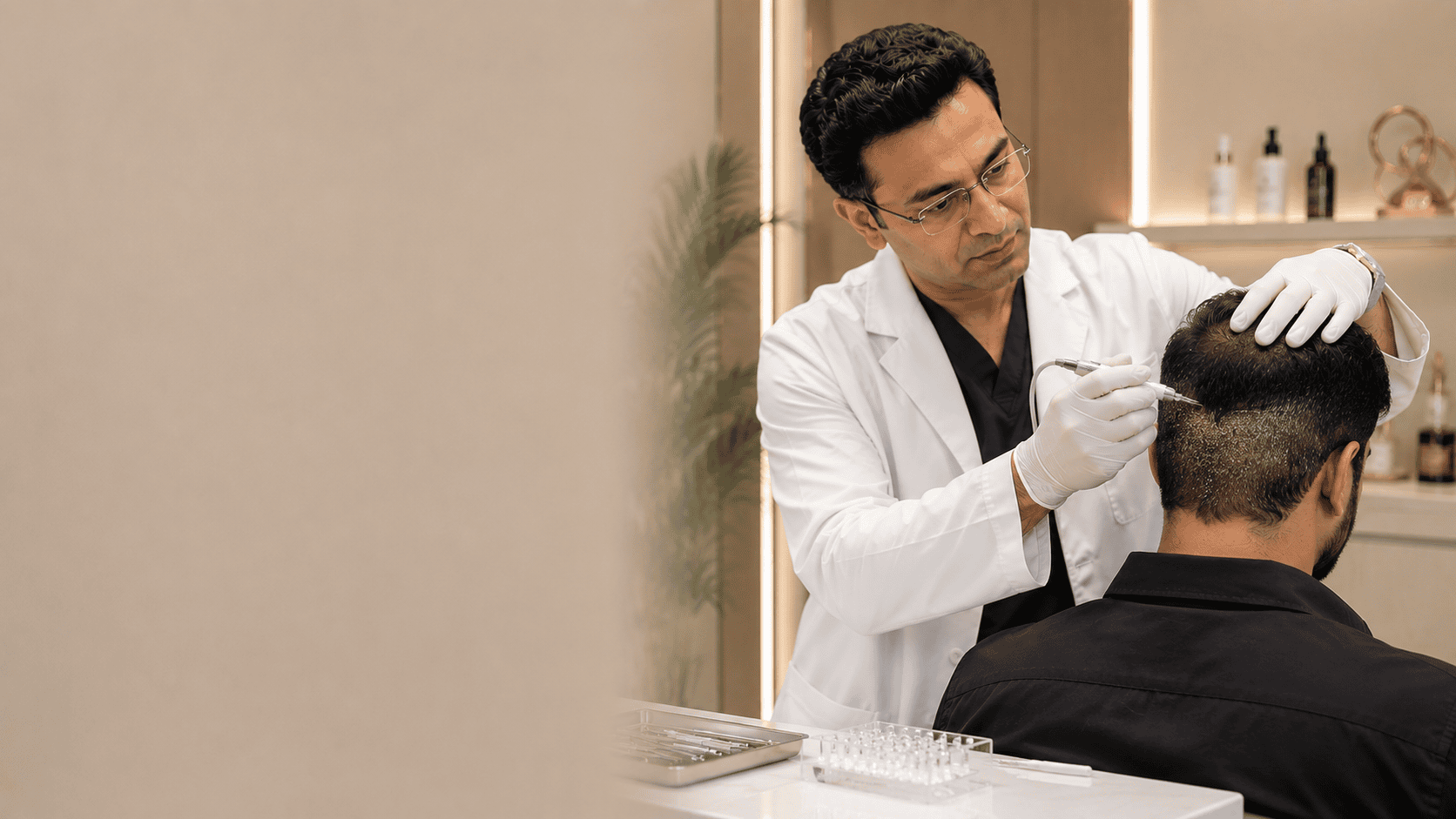
New Graft Extraction

Precision FUE extraction of additional follicular units from the remaining donor area, carefully planned around previous extraction sites or the existing donor scar
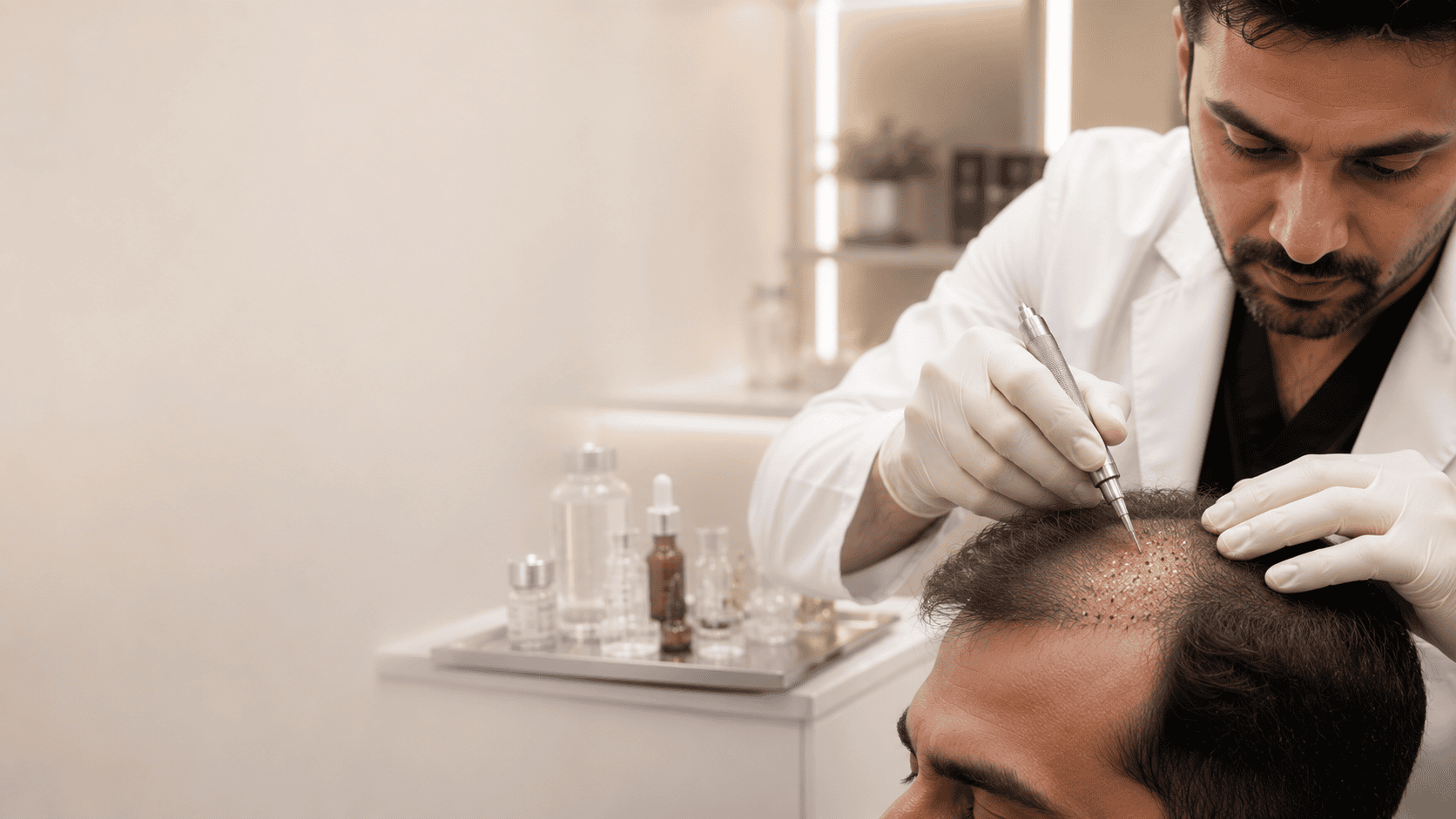
Refined Graft Placement

New micro-incisions created at natural angles and directions around existing grafts – designed to camouflage previous errors and build natural density and directional flow
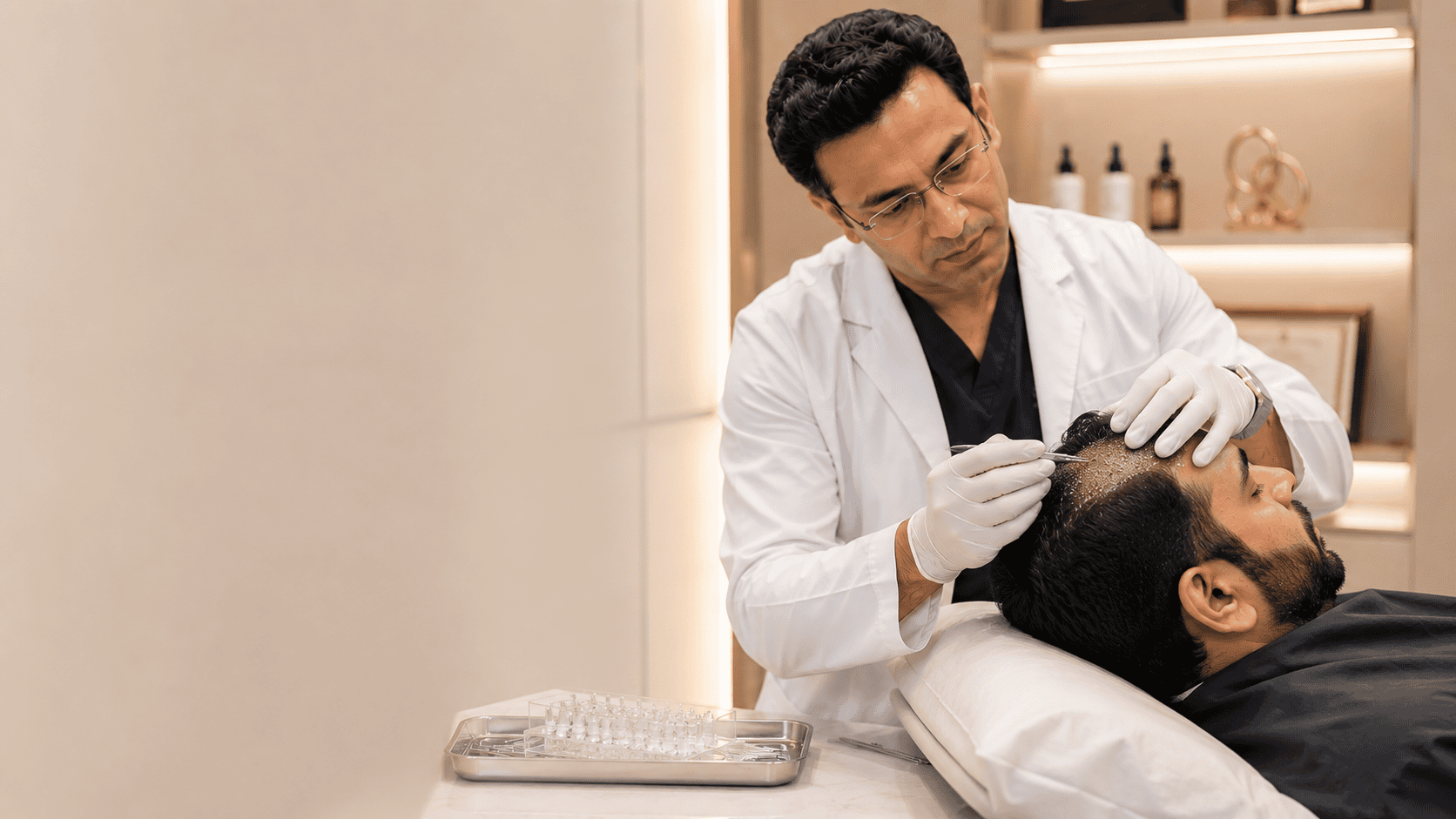
Refined Graft Placement

Single-hair and multi-hair follicular units strategically placed to correct hairline, enhance density, camouflage plugs, and create natural growth patterns throughout the revised area
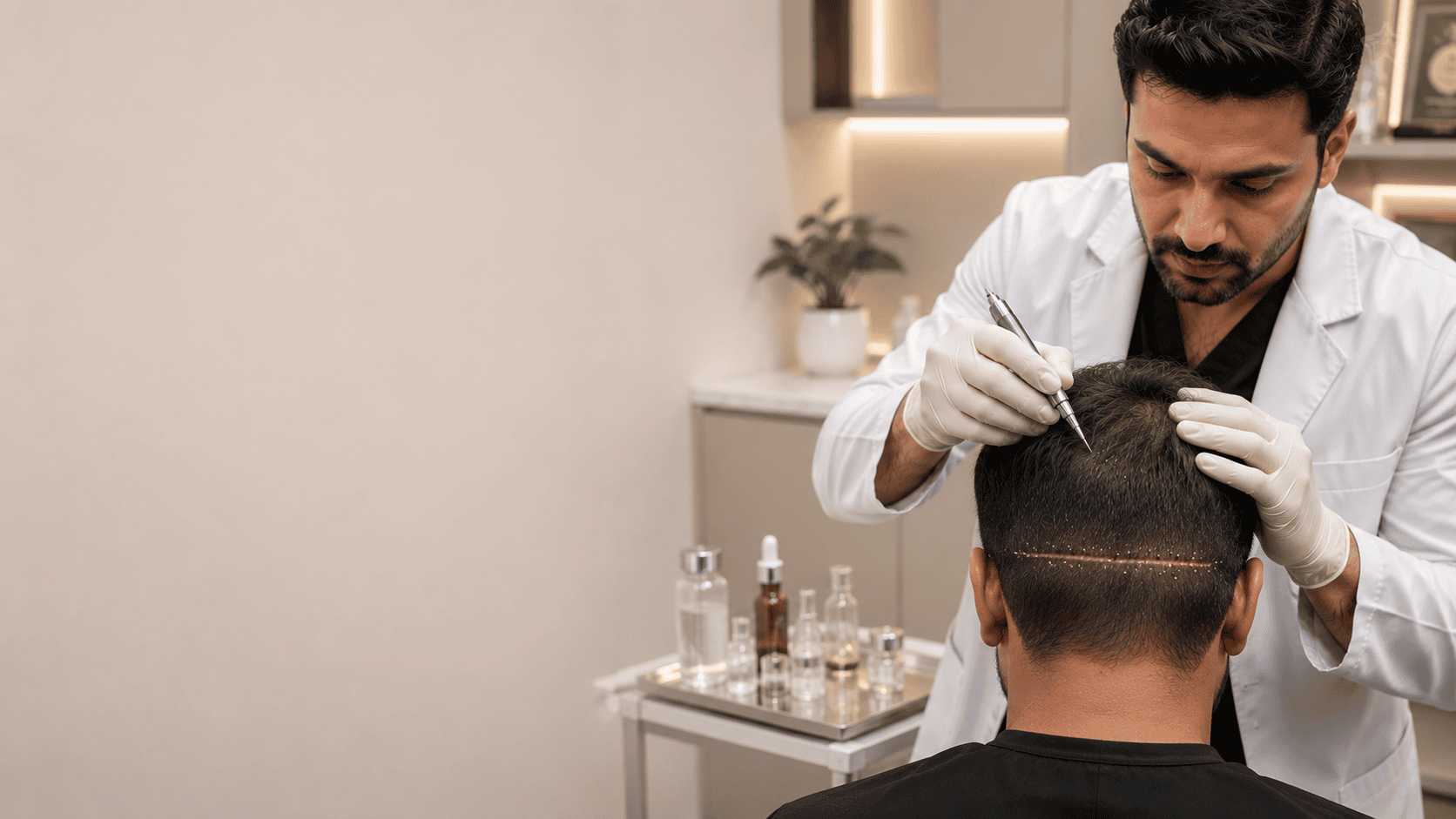
Donor Scar Treatment (if applicable)

FUE grafts implanted into the donor scar and/or scar revision performed to improve donor area appearance

Revision surgery demands the highest level of surgical judgement, artistic skill, and technical precision. Every decision must balance the corrective goals against the finite donor reserve and the constraints of the existing work. Our Mumbai revision team approaches each case with meticulous planning and realistic expectation-setting.

The Unique Surgical Challenges of Revision Hair Transplant

Revision hair transplant is fundamentally more challenging than primary transplant surgery for several critical reasons that directly affect the approach and outcomes at our Mumbai clinic. First, the donor area is already partially depleted. Previous transplant surgery has already harvested grafts from the donor area, reducing the total number of follicles available for the revision procedure. The surgeon must make maximum impact with fewer available grafts – requiring strategic placement and prioritisation of the most visible areas. Second, the recipient area contains existing grafts. The surgeon must create new recipient sites and place new grafts around, between, and in front of previously transplanted grafts – without damaging the existing follicles. This requires precise spatial awareness and gentle technique. Third, scar tissue may be present. Previous surgical incisions, poorly healed recipient sites, or damaged tissue from old-style graft placement may have created scar tissue in the recipient and donor areas. Scar tissue has reduced blood supply, which can lower graft survival rates and requires modified implantation techniques. Fourth, the patient’s trust has been broken. Revision patients have already experienced the disappointment of a failed or substandard transplant. Managing expectations honestly, providing a realistic corrective prognosis, and delivering on promises is essential for rebuilding confidence. Despite these challenges, significant improvement is achievable in the vast majority of revision cases. The combination of modern FUE technology, refined surgical technique, and artistic hairline redesign allows our surgeons to transform even severely compromised previous results into outcomes that look natural and refined.

Who is an Ideal Candidate for Revision Hair Transplant in Mumbai?

Revision hair transplant is appropriate for men and women in Mumbai who have undergone a previous hair transplant procedure and are dissatisfied with the results – whether due to unnatural appearance, insufficient density, visible scarring, or incomplete coverage. You are a strong candidate for revision hair transplant at our Mumbai clinic if you have visible problems from a previous transplant (unnatural hairline, plugs, poor density, scarring), have adequate remaining donor hair to support the corrective procedure, are at least 12 months post-previous surgery to allow full healing and growth assessment, have realistic expectations about the degree of improvement achievable within the constraints of your situation, and are committed to the post-operative care protocol. Key insight: The single most important factor in revision surgery is an honest assessment of what is achievable. Not every problem from a previous transplant can be completely erased – but virtually every unsatisfactory result can be significantly improved. Our surgical team at Brilliance Cosmocare provides a candid, evidence-based evaluation of your revision potential before any commitment, including what can realistically be achieved with the donor reserve available.

Who is NOT a Suitable Candidate?

The following individuals require detailed evaluation at our Mumbai clinic, as certain factors may limit the scope of revision surgery:

Severely Depleted Donor Area with Insufficient Remaining Follicles
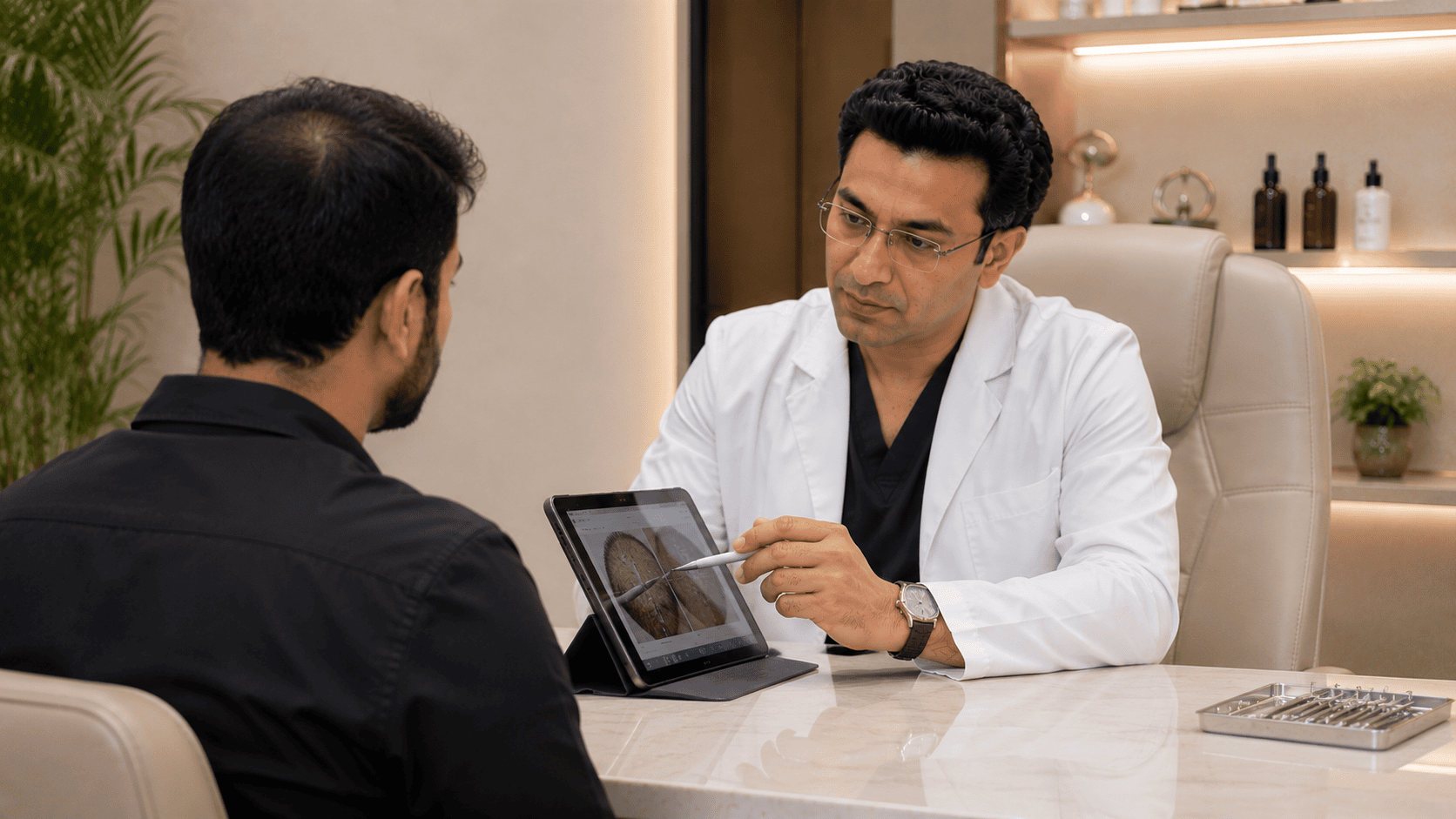
Less Than 12 Months Since the Previous Transplant Procedure

Active Progressive Hair Loss That Has Not Been Stabilised
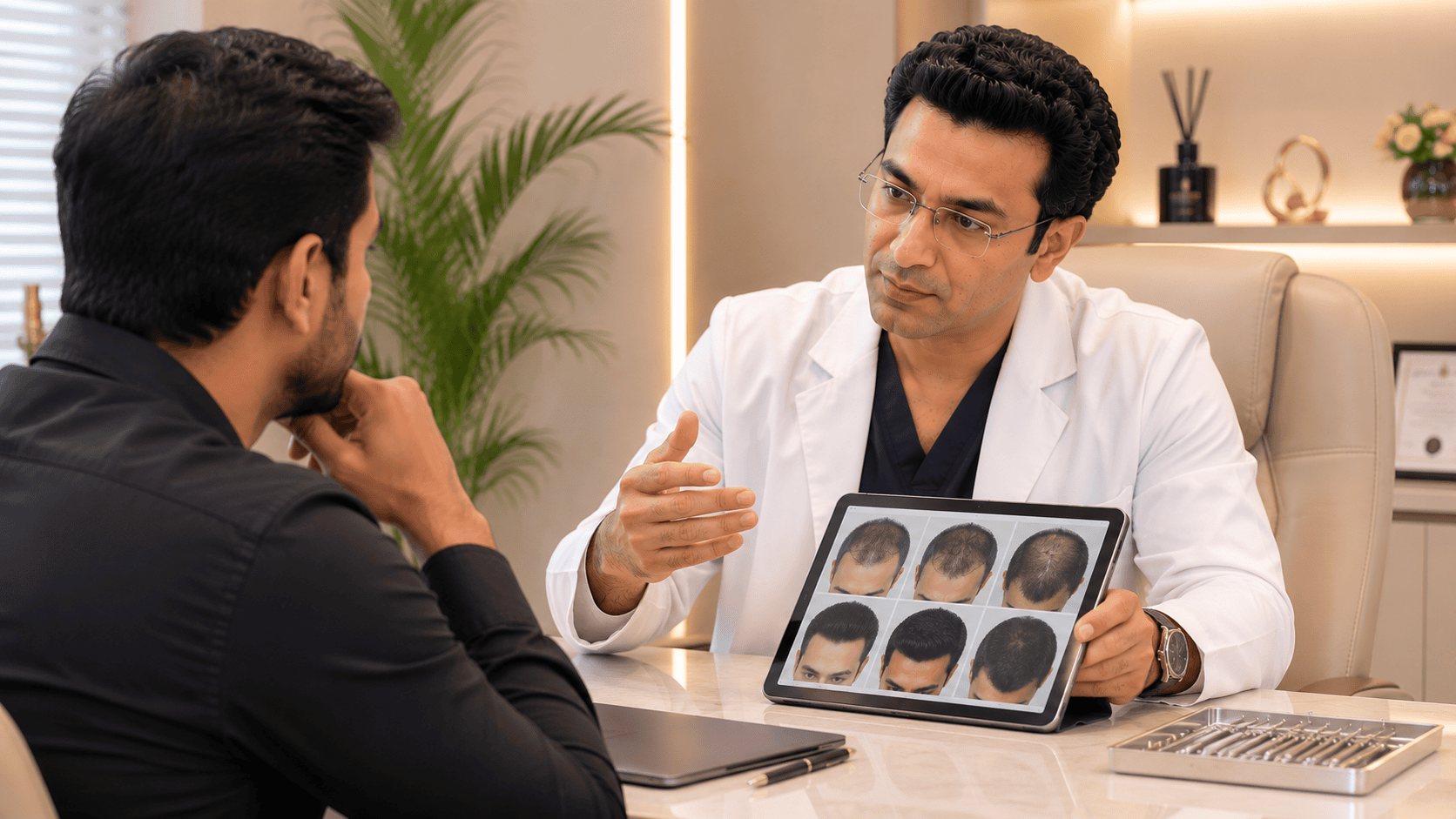
Unrealistic Expectations About Achieving a Perfect Result from Revision
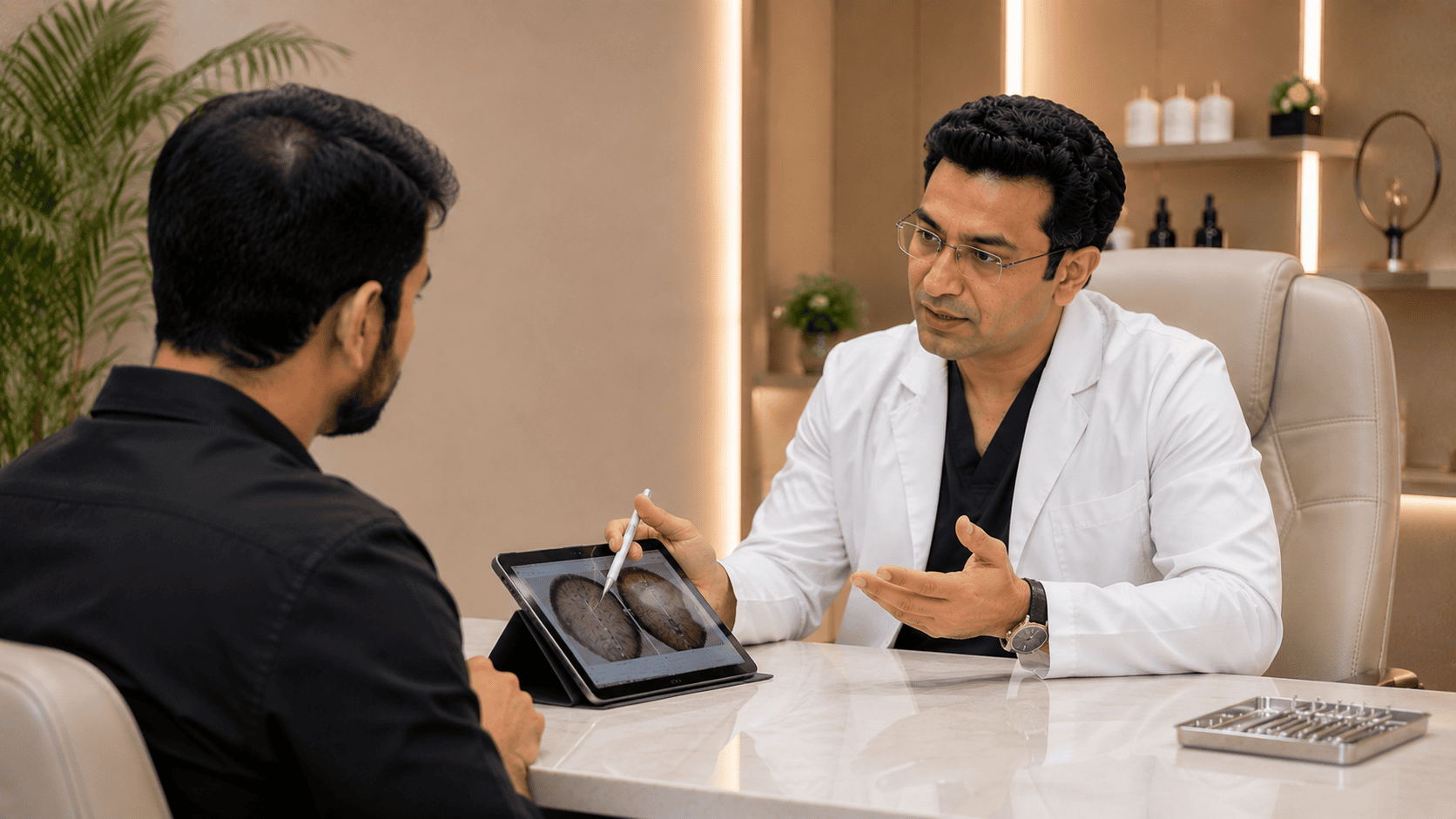
Active Scalp Infections or Inflammatory Conditions

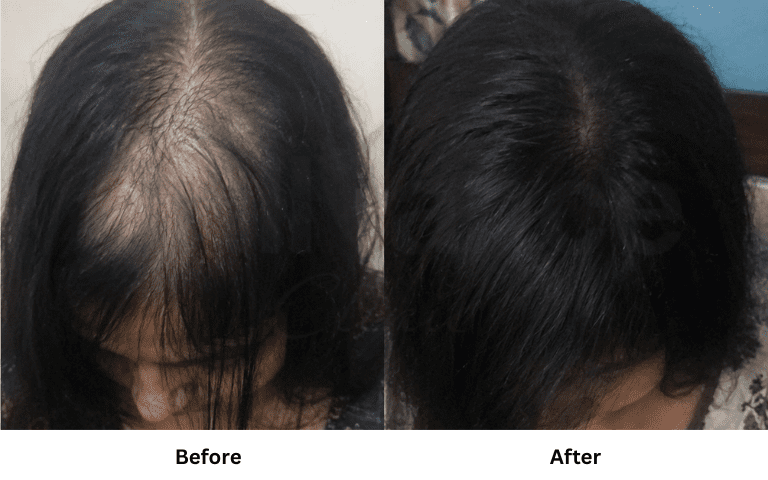
Our surgical team conducts a comprehensive assessment of your previous transplant, remaining donor reserve, scalp condition, and realistic corrective potential at your initial consultation.

Benefits of Revision Hair Transplant in Mumbai

Revision hair transplant at Brilliance Cosmocare offers life-changing corrective benefits for patients across Mumbai living with unsatisfactory previous transplant results.

Key Benefits

Most Mumbai patients see transformative improvement in the naturalness and quality of their transplant result within 8–14 months of revision surgery.

Revision Hair Transplant Process – Step by Step

Step 1

Assessment and Corrective Planning

A comprehensive evaluation of your previous transplant is conducted – documenting every identifiable problem (hairline design, graft quality, density, direction, scarring). The remaining donor area is thoroughly assessed for available reserve. A detailed corrective strategy is developed, specifying each intervention required. You receive an honest prognosis of achievable improvement before any commitment.

Step 2

Revision Surgery

On procedure day at our Andheri West clinic, local anaesthesia is administered. Depending on the corrective plan, the procedure may include plug excision or downsizing, FUE extraction of new grafts from the remaining donor area, hairline redesign with new recipient site creation, strategic graft placement for density and naturalisation, and donor scar treatment. The procedure takes 4–10 hours depending on complexity.

Step 3

Post-Operative Recovery

Recovery follows a similar timeline to primary transplant. Tiny scabbing at graft sites resolves within 7–10 days. Plug excision sites heal within 7–14 days. Donor scar treatment areas may require 10–14 days of healing. Prescribed medications manage discomfort and support healing. Most patients resume social activities within 7–14 days.

Step 4

Growth and Transformation

New transplanted hairs shed at weeks 2–4, then begin growing permanently from months 3–4. The corrective improvement builds progressively. Camouflage of previous plugs or hairline errors becomes increasingly apparent as new grafts grow in. Full revision results are typically visible at 10–14 months.

Revision Complexity and Graft Requirements

Typical Graft Range
Revision Type

Mild acne

3–4 sessions

Moderate acne

4–6 sessions

Severe or hormonal acne

6–8 sessions

Acne marks / PIH

Additional sessions may be incorporated

Acne scars

Additional sessions may be incorporated

Revision graft requirements depend entirely on the specific problems being corrected and the remaining donor reserve. Your surgeon provides a detailed assessment at consultation at our Andheri West, Mumbai clinic, including an honest evaluation of what is achievable with the donor hair available.

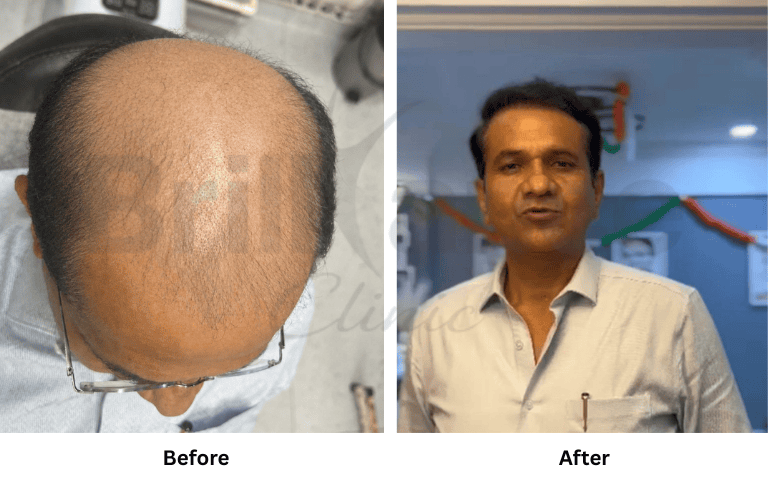
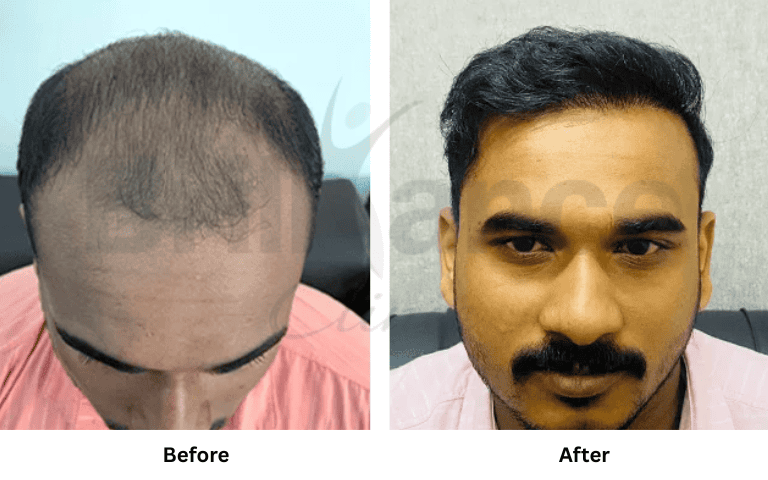
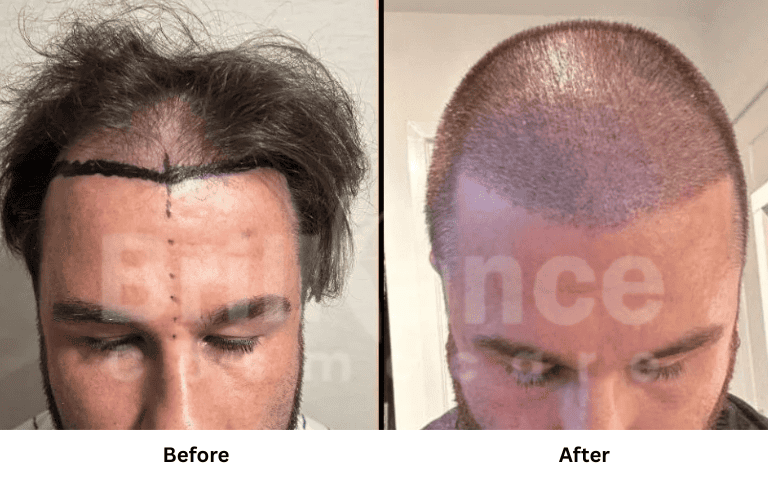
Revision Hair Transplant Before and After – Real Patient Results in Mumbai

Standardised clinical photographs are documented at the revision consultation and at regular follow-up intervals to objectively track corrective improvement – hairline naturalisation, density enhancement, plug camouflage, and donor scar improvement. Before-and-after comparisons demonstrate the transformation from the previous unsatisfactory result to the revised outcome.

What Realistic Revision Results Look Like

Revision hair transplant produces progressive corrective improvement. A realistic timeline for Mumbai patients:
  • Days 1–14 Scabbing at new graft sites and any plug excision sites resolves within 7–14 days. Mild swelling for 2–3 days is normal. Donor scar treatment areas may show redness for 1–2 weeks. The corrective work is healing beneath the surface.
  • Months 3–6 New corrective grafts shed at weeks 2–4 then begin growing from months 3–4. The naturalisation of the hairline becomes increasingly visible as new single-hair grafts emerge. Density in previously thin areas improves. Plug camouflage begins to take effect.
  • Months 8–14 Full corrective results are established. The hairline appears natural. Previous plugs are camouflaged. Density is substantially improved. Donor scar concealment grafts have grown. The overall result is a dramatic transformation from the pre-revision appearance.
Full revision results are typically most visible at 10 to 14 months. The transformation is progressive – each month brings increasing naturalisation and improvement. The degree of correction achievable depends on the specific problems addressed, the graft count available, and the constraints of the previous work.

When Will You See Results from Revision Hair Transplant in Mumbai?

Revision results build progressively as corrective grafts grow in and naturalise the previous work.

Weeks 1–4

Healing phase. Scabbing resolves. New grafts and plug excision sites heal. Transplanted corrective hairs shed at weeks 2–4 (normal dormancy). The previous transplant appearance is still largely visible during this phase.
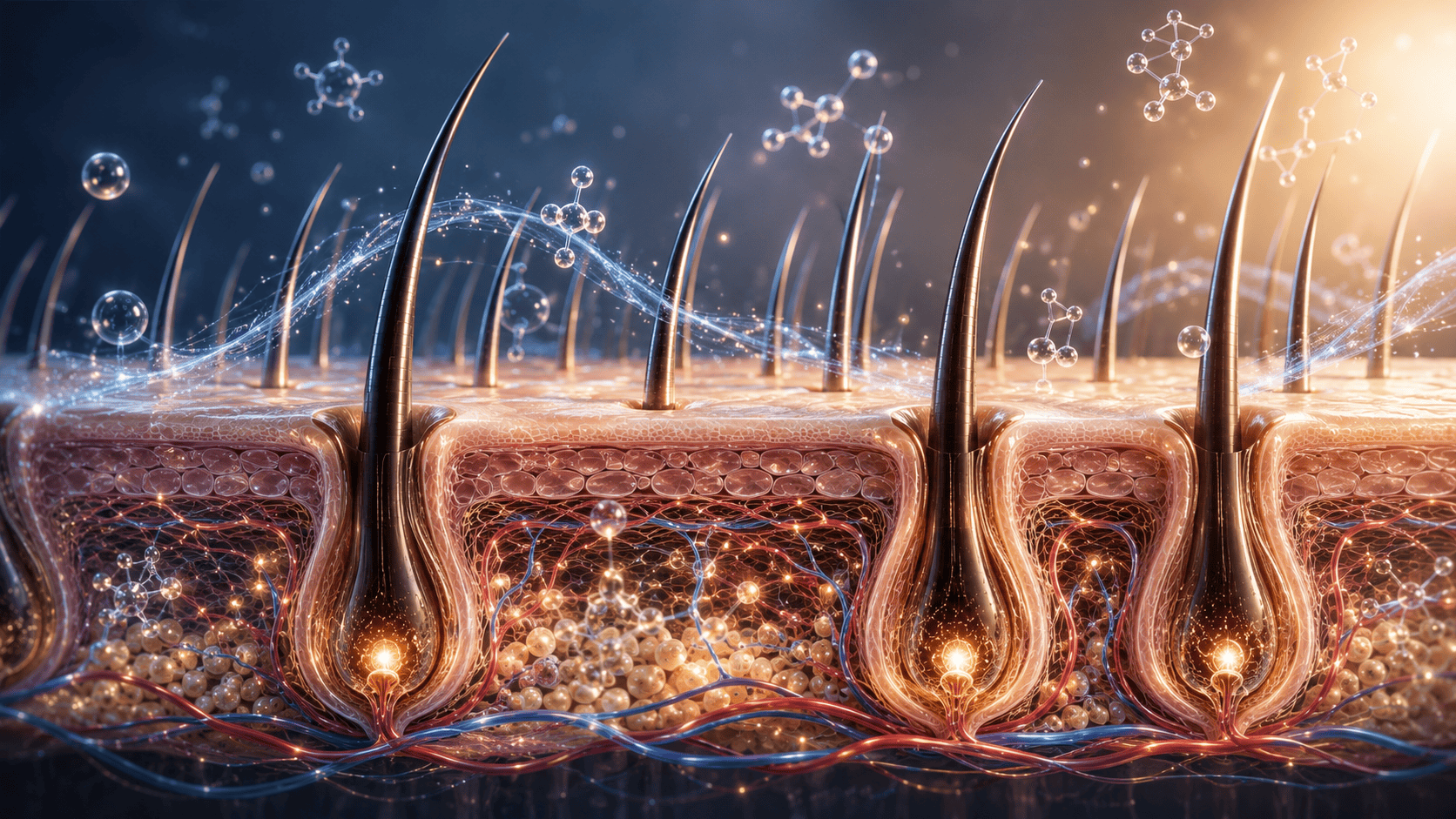
Months 3–6

New corrective growth emerges. Hairline begins looking more natural as single-hair grafts grow in. Density improves in previously thin areas. The transformation from the previous result begins to become visible.
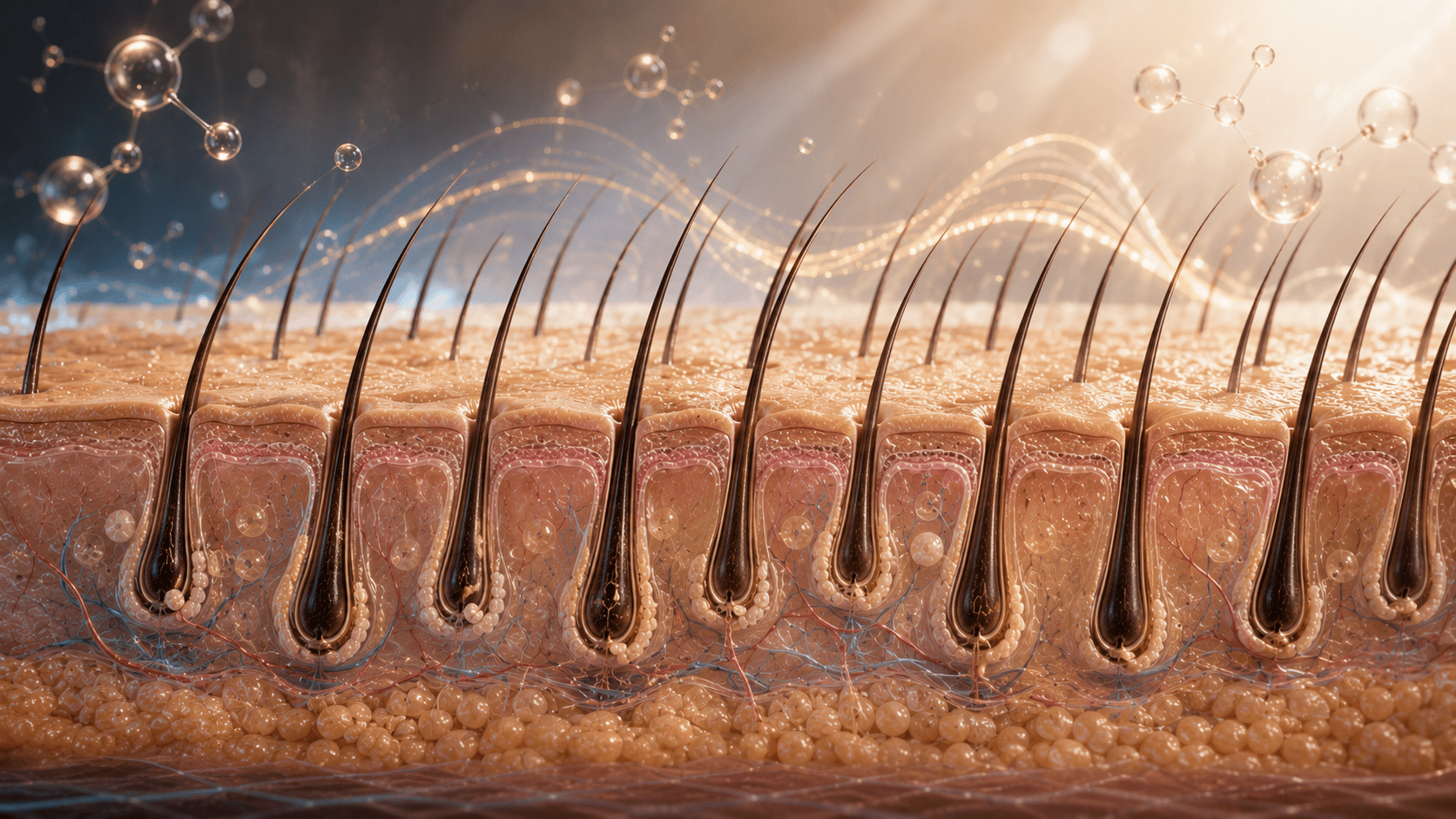
Months 8–14

Full corrective maturation. Hairline is naturalised. Plugs are camouflaged. Density is established. The result is dramatically improved from the pre-revision state.

Revision results require the same patience as primary transplant – the biological growth timeline is identical. The emotional reward, however, is often even greater for revision patients who have been living with unsatisfactory results. Every Mumbai patient at Brilliance Cosmocare receives supportive follow-up throughout the growth journey.

Phase-by-Phase Corrective Timeline for Mumbai Patients

Healing Phase

New graft sites, plug excision areas, and donor scar treatment zones heal over 7–14 days. Redness and scabbing resolve. The corrective work is integrating into the existing scalp tissue. Strict post-operative care supports graft survival and clean healing.

Shedding and Foundation Phase

Corrective grafts shed their initial shafts at weeks 2–4. Follicles establish blood supply in their new or corrected positions. The scalp enters dormancy. From months 3–4, new permanent corrective growth begins emerging.

Transformation Phase

New grafts progressively grow, thicken, and naturalise the previous transplant result. Hairline irregularity develops naturally from single-hair graft placement. Plug camouflage becomes effective as surrounding new grafts grow in. Density builds steadily. Donor scar concealment improves. The corrective transformation reaches completion by 10–14 months.

Clinical Evidence Supporting Revision Hair Transplant

Revision hair transplant approaches used at Brilliance Cosmocare’s Mumbai clinic are supported by peer-reviewed surgical literature.
Evidence base for revision hair transplant: Hairline naturalisation – published case series document successful conversion of unnatural hairlines into natural-appearing borders using refined single-hair follicular unit grafts placed at natural angles and irregular spacing Plug camouflage – peer-reviewed surgical reports demonstrate effective camouflage of old-style plug grafts through dense placement of modern follicular units between and around existing plugs, with high patient satisfaction Donor scar concealment – published clinical studies report significant visual improvement in FUT donor scars following FUE transplantation into scar tissue, with graft survival rates of 50–70 percent in scar tissue (lower than normal scalp due to reduced vascularity) Graft survival in revision – published data documents graft survival rates that, while slightly lower than primary transplant (due to scar tissue and altered tissue planes), still achieve clinically meaningful improvement in the vast majority of cases Patient satisfaction – published revision surgery series document high satisfaction rates, with the majority of patients rating their revised result as a significant or dramatic improvement over their pre-revision appearance
Clinical evidence consistently demonstrates that expert revision surgery can significantly improve or transform unsatisfactory previous transplant results. While revision surgery has inherent constraints, the degree of improvement achievable in experienced hands is substantial.

Pre and Post Care for Revision Hair Transplant in Mumbai

Following your care instructions is critical for graft survival, healing in previously operated tissue, and optimal corrective outcomes.
Before Your Revision Surgery at Our Mumbai Clinic
After Your Revision Surgery

Discontinue retinoids and exfoliating acids (AHAs, BHAs) 3–5 days before your session

Apply broad-spectrum SPF 50 sunscreen every morning - without exception. This is the most critical post-care instruction for Mumbai patients given year-round UV exposure.

Avoid waxing or threading in the treatment area for at least 5 days prior


Avoid direct sun exposure for at least 72 hours after a peel or laser session

Inform your doctor about any current medications - particularly oral antibiotics, isotretinoin, or hormonal therapy

Use only the prescribed gentle cleanser and moisturiser - no active skincare ingredients for 48 hours post-treatment

Do not apply makeup on the day of your session

Do not scrub, exfoliate, or use face tools on treated skin

Avoid excessive sun exposure or heat exposure in the 48 hours before treatment - relevant given Mumbai's outdoor commuting conditions

Avoid picking or squeezing active pimples

Avoid picking or squeezing active pimples

Apply any prescribed preparation cream or primer as directed

Revision surgery involves operating in previously treated tissue with potentially altered blood supply and scar tissue. Strict adherence to post-operative care is especially important to maximise graft survival and healing quality in these more challenging conditions.

Revision Hair Transplant in Mumbai vs Living with a Bad Transplant

Why Revision Surgery is Worth Considering

Many patients with unsatisfactory previous transplants resign themselves to living with the results – either because they believe nothing can be done or because the previous negative experience has made them afraid of further surgery. Both concerns are understandable but often unfounded. Modern revision techniques at Brilliance Cosmocare can address the vast majority of problems from previous transplants. Unnatural hairlines can be naturalised, plugs can be camouflaged or removed, thin areas can be densified, and donor scars can be improved. The degree of improvement varies by case, but significant positive change is achievable in most situations. The key is choosing a revision surgeon with specific experience in corrective cases – not simply returning to the original clinic or choosing another inexperienced provider. Revision surgery requires a distinct skill set and mindset that differs from primary transplant.

Revision Hair Transplant vs Non-Surgical Concealment

Some patients with unsatisfactory transplants turn to non-surgical solutions – scalp micropigmentation (SMP), hair fibres, or hair systems – to conceal the problems. These approaches can provide immediate cosmetic improvement but remain temporary and require ongoing maintenance. Revision hair transplant provides a permanent surgical correction that addresses the underlying problem – not just its visual appearance. Corrected grafts grow naturally, naturalised hairlines look real from any angle, and improved density requires no daily concealment routine. SMP can be a valuable complement to revision surgery – for example, adding the appearance of density between transplanted grafts or camouflaging a donor scar alongside FUE scar grafting. Our Mumbai team can advise on whether revision alone, SMP alone, or a combination approach is optimal.

Revision Hair Transplant vs Continuing Non-Surgical Concealment

Factor Non-Surgical Concealment (SMP, Fibres, Hair Systems) Revision Hair Transplant in Mumbai
Permanence Temporary – SMP fades, fibres wash off daily, hair systems need regular replacement Permanent surgical correction – corrective grafts grow for life
Addresses root cause Conceals the problem visually without correcting it Physically corrects the underlying surgical errors and inadequacies
Natural appearance Variable – requires skill to apply and may not withstand close inspection Completely natural – real hair growing at correct angles and directions
Ongoing maintenance Daily or frequent maintenance required indefinitely No ongoing concealment maintenance – treat transplanted hair normally
Emotional impact Persistent awareness of concealment – underlying problem remains Genuine resolution – the transplant finally looks the way it should have
Long-term cost Cumulative ongoing cost that may exceed revision surgery within 3–5 years One-time corrective investment with permanent results
Non-surgical concealment provides immediate visual improvement but requires ongoing maintenance and leaves the underlying surgical problems unaddressed. For patients in Mumbai living with unsatisfactory previous transplant results, revision surgery at Brilliance Cosmocare provides a permanent, genuine correction that restores both appearance and confidence.

Revision Hair Transplant Before and After Results in Mumbai

Standardised clinical photography is documented at the revision consultation and at follow-up visits to objectively track the corrective transformation – from the pre-revision unsatisfactory state through progressive improvement to the final revised outcome.

Cost of Revision Hair Transplant in Mumbai

Complexity of Revision

Simple hairline refinement costs less than comprehensive multi-zone revision involving plug excision, density enhancement, hairline redesign, and donor scar treatment.

Number of Corrective Grafts Required

The graft count required for adequate correction directly determines the surgical investment. This is assessed based on the problems identified and the donor reserve available.

Plug Excision Component

Cases requiring removal or downsizing of old-style plug grafts involve additional surgical time and complexity.

Donor Scar Treatment

Removal of the most prominent unnatural plug grafts using punch excision, or dissection of large grafts into individual follicular units for re-implantation at natural angles

Number of Sessions Required

Some complex revisions are staged across 2+ sessions – each priced according to its scope.

Post-Operative Care

Prescribed medications, wound care products, and follow-up monitoring included in the surgical package.

Revision pricing reflects the specialised skill, additional complexity, and time required to correct previous surgical errors. Detailed, transparent pricing is provided after your comprehensive assessment at our Andheri West clinic. Mumbai patients can call or book online to confirm costs before committing.

Revision Hair Transplant Cost in Mumbai | Hair Clinic Andheri West

The cost of revision hair transplant in Mumbai at Brilliance Cosmocare depends on the specific corrective interventions required: – Types of corrections needed – hairline redesign, density enhancement, plug camouflage, scar treatment, or a combination – Number of corrective grafts required and available from the remaining donor area – Complexity of the case including plug excision, graft downsizing, and scar revision components – Whether the revision can be completed in a single session or requires a staged approach – Post-operative care kit and prescribed medications included in the surgical package There is no fixed standard pricing for revision hair transplant because no two revision cases present the same problems or constraints. A detailed corrective plan with transparent pricing is provided after your comprehensive assessment at our Andheri West clinic.

Why Brilliance Cosmocare is the Best Revision Hair Transplant Clinic in Mumbai | Andheri West

Specialised revision expertise – our surgeons have specific experience in corrective and revision hair transplant, not just primary surgery Honest corrective assessment – candid, evidence-based evaluation of what can realistically be improved, with no overpromising Comprehensive corrective capability – hairline redesign, plug removal and camouflage, density enhancement, scar treatment, and surface smoothing all available in one clinic Surgeon-led at every stage – revision cases are too complex and high-stakes for technician-driven procedures Advanced FUE and FUT techniques – full range of extraction methods available to maximise graft yield from potentially compromised donor areas Strategic donor management – every graft is maximised for corrective impact given the finite remaining donor reserve Artistic hairline redesign – converting unnatural hairlines into soft, irregular, naturally appearing borders is a core competency Empathetic patient care – we understand the emotional weight of a failed previous transplant and provide supportive, honest guidance throughout Transparent consultation – full corrective plan, realistic expectations, and detailed pricing before any commitment Convenient Mumbai location – Andheri West, easily accessible from Juhu, Versova, D.N. Nagar, Lokhandwala, Bandra, and Santacruz

Frequently Asked Questions About Revision Hair Transplant by Brilliance Cosmocare – Expert Medical Opinion | Mumbai

Unsatisfactory results from previous hair transplant surgery – unnatural hairlines, pluggy grafts, poor density, visible scarring, and incomplete coverage – are unfortunately common among patients across Mumbai, from those in Andheri West and Lokhandwala to patients across Versova, Juhu, Goregaon, Bandra, Powai, Borivali, Navi Mumbai, Thane, and the wider Mumbai metropolitan area. At Brilliance Cosmocare, located near DN Nagar Metro Station in Andheri West, we provide surgeon-led revision hair transplant – specialised corrective surgery designed to transform unsatisfactory previous results into natural, refined outcomes. Serving patients from Andheri West, Lokhandwala, Versova, Juhu, Goregaon, Bandra, Powai, Malad, Borivali, Navi Mumbai, Thane, and across Mumbai, our clinic focuses on honest assessment, strategic corrective planning, and precision revision surgery.
What is revision hair transplant?
Revision hair transplant is specialised corrective surgery designed to repair, refine, or transform unsatisfactory results from a previous hair transplant. It may include hairline redesign, plug removal or camouflage, density enhancement, graft angle correction, and donor scar improvement – depending on the specific problems of the original surgery.
Can a bad hair transplant be fixed?
In the vast majority of cases, yes. Unnatural hairlines can be naturalised, pluggy grafts can be camouflaged or removed, thin areas can be densified, and donor scars can be improved. The degree of correction depends on the specific problems and the remaining donor reserve. An honest assessment at consultation determines what is achievable.
How long should I wait after my previous transplant before revision?
A minimum of 12 months after the previous surgery is recommended. This allows all transplanted grafts to fully grow and the donor area to completely heal. Rushing into revision before full growth has occurred may lead to unnecessary or misdirected corrective work.
Will I have enough donor hair for revision?
This is assessed at consultation. Patients who have had one previous transplant typically have sufficient donor reserve for meaningful revision. Those who have had multiple previous surgeries may have more limited reserves. FUE allows extraction from previously untouched areas of the donor zone, and body hair transplant may supplement in select cases.
Is revision more painful than primary transplant?
Revision surgery is performed under local anaesthesia and is similar in comfort to primary transplant. Previously operated areas may have slightly altered sensation, but the procedure is well-tolerated. Post-operative discomfort is managed with prescribed medications.
How many sessions does revision require?
Many revision cases can be completed in a single surgical session. Complex cases involving multiple corrections (hairline redesign plus plug removal plus density enhancement plus scar treatment) may benefit from a staged approach across 2 sessions spaced 8–12 months apart.
Can donor scars from previous FUT be fixed?
Yes. Wide or visible FUT donor scars can be improved through FUE transplantation of follicular units directly into the scar tissue (allowing hair to grow through the scar) and/or scar revision with trichophytic re-closure. Graft survival in scar tissue is lower than normal scalp (50–70%), but visible improvement is achievable.
Will the revision look natural?
When performed by an experienced revision surgeon using refined single-hair follicular unit techniques, the revised result looks significantly more natural than the original work. The goal is for the transplant to become undetectable – as though the patient was never transplanted.
How long until I see revision results?
Corrective grafts follow the same growth timeline as primary transplant – shedding at weeks 2–4, new growth from months 3–4, and full results at 10–14 months. The naturalisation of the previous work becomes increasingly visible as corrective grafts grow in and integrate.
Is revision hair transplant available in Andheri, Mumbai?
Yes. Brilliance Cosmocare in Andheri West offers surgeon-led revision hair transplant for patients from across Mumbai. Our clinic is conveniently located near DN Nagar Metro Station, easily accessible from Andheri, Lokhandwala, Versova, Juhu, Bandra, Goregaon, Powai, Malad, Borivali, Thane, Navi Mumbai, and other parts of the city.

Schedule Appointment

Fill out the form below, and we will be in touch shortly.

Home Page Form