

Laser Pigmentation Removal Treatment in Mumbai

Hyperpigmentation, dark spots, melasma, sun damage, age spots, and uneven skin tone are among the most prevalent and stubborn dermatological concerns affecting men and women across Mumbai – from post-inflammatory hyperpigmentation (PIH) and acne marks in younger patients to deep-set melasma, solar lentigines, and chronic pigment irregularities among patients in Andheri West, Lokhandwala, Versova, and Juhu. At Brilliance Cosmocare, one of Mumbai’s most trusted dermatology and laser clinics in Andheri West, we offer advanced laser pigmentation removal treatment – a medical-grade procedure that uses precisely calibrated laser energy to selectively target and break down excess melanin deposits in the skin, triggering the body’s natural clearance mechanisms to progressively reduce pigmentation and restore an even, luminous complexion. Our clinical approach combines comprehensive pigmentation diagnostics (including Wood’s lamp assessment and dermatoscopy), personalised laser platform selection (Q-Switched Nd:YAG, fractional laser, or combination protocols), and structured treatment planning with complementary depigmenting therapy – delivering safe, measurable pigmentation improvement for all Indian skin types across Mumbai, where melanin-rich skin demands particularly careful parameter calibration.

Request a Free Quote

Home Page Form

What is Laser Pigmentation Removal Treatment?

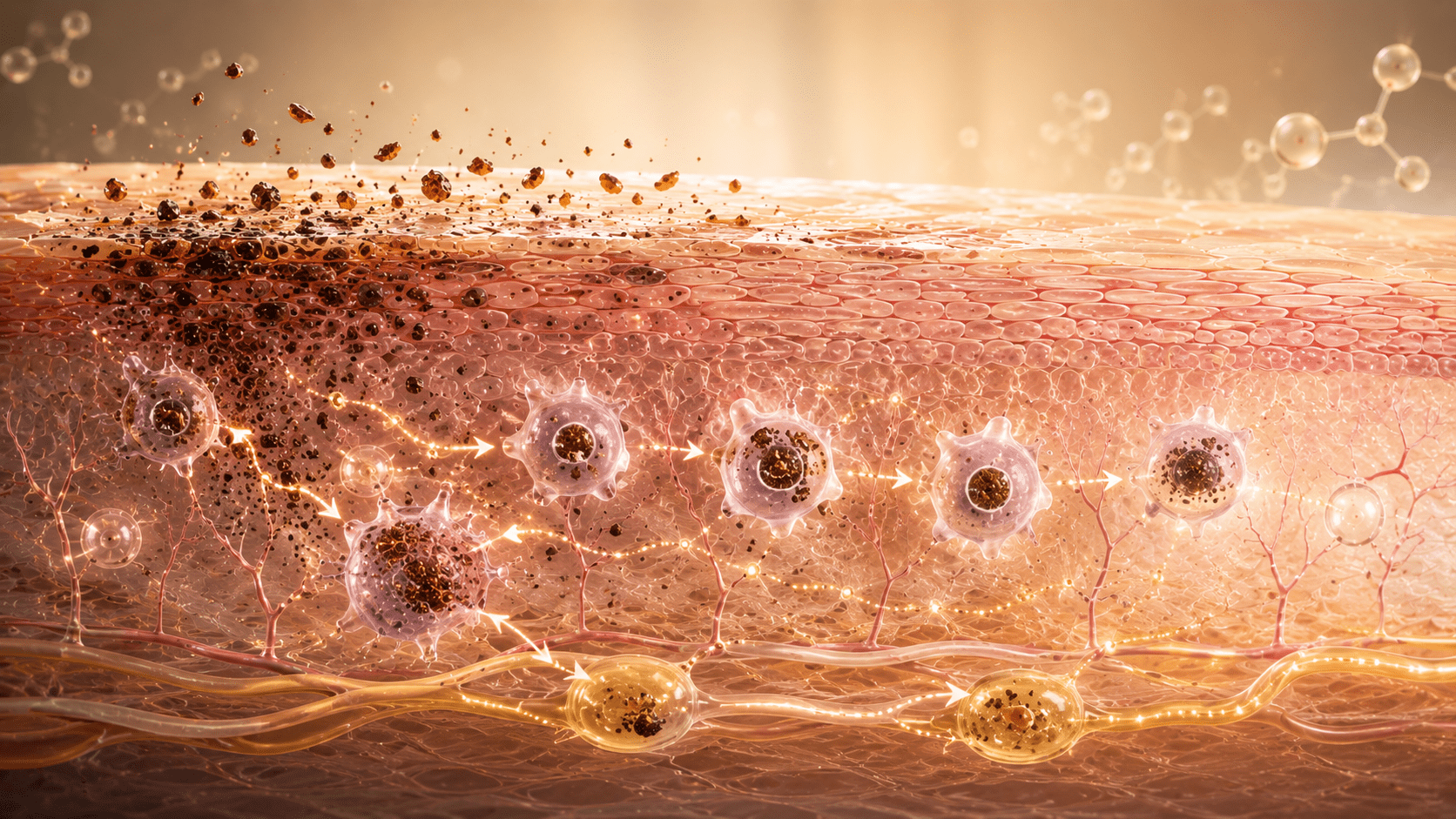
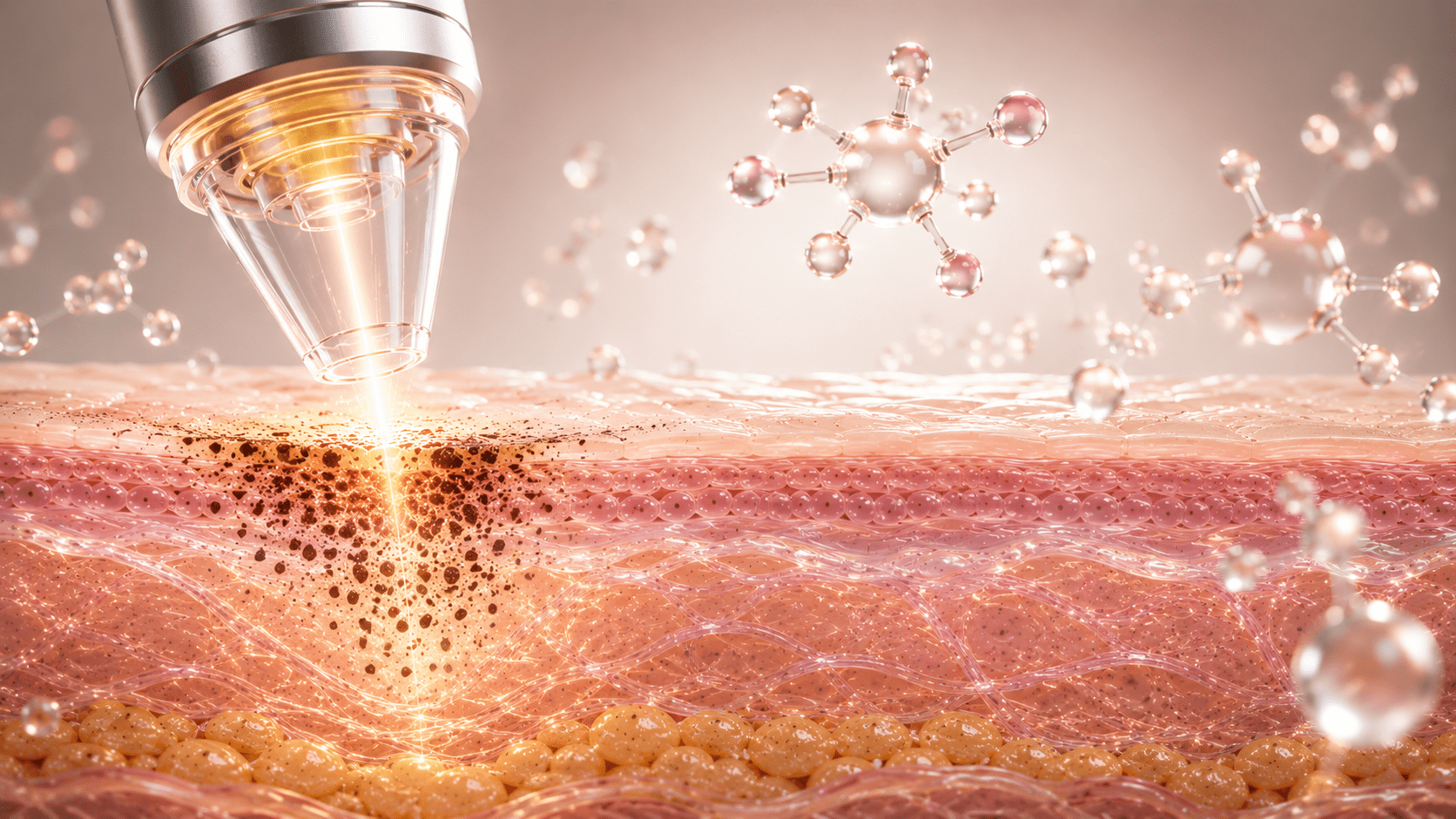
Laser pigmentation removal is a medical-grade dermatological procedure that uses precisely calibrated laser energy to selectively target and fragment excess melanin pigment deposited in the epidermis and dermis. The laser energy is preferentially absorbed by melanin – the pigment responsible for dark spots, patches, and uneven skin tone – generating a controlled photoacoustic and photothermal reaction that breaks melanin clusters into microscopic particles. These fragments are then cleared by the body’s macrophages through the lymphatic system and eliminated through natural epidermal turnover, progressively lightening the treated pigmentation. At Brilliance Cosmocare in Andheri West, laser pigmentation treatment is performed by our experienced dermatology team using advanced Q-Switched Nd:YAG laser (delivering ultra-short nanosecond pulses for selective melanin fragmentation), fractional laser platforms (for deeper pigmentation with concurrent skin resurfacing), and low-fluence toning protocols (for sensitive conditions such as melasma) – selected based on the specific pigmentation type, depth, distribution, and the patient’s Fitzpatrick skin type. Laser pigmentation treatment is not a cosmetic brightening facial. It is a precision medical procedure requiring accurate pigmentation diagnosis, understanding of melanin biology, and expert laser parameter calibration – particularly critical on Indian skin (Fitzpatrick III–VI) where the risk of paradoxical darkening, rebound hyperpigmentation, and post-inflammatory pigmentation changes is significantly higher than on lighter skin types if incorrect laser settings are used.

What is the Difference Between Laser Pigmentation Treatment and Topical Lightening Creams in Mumbai?

Laser pigmentation treatment and topical lightening products both aim to reduce hyperpigmentation, but they work at fundamentally different levels and produce vastly different clinical outcomes. Topical depigmenting agents – including hydroquinone, kojic acid, arbutin, vitamin C, and azelaic acid – work primarily at the epidermal level by inhibiting the enzyme tyrosinase, which is responsible for new melanin production. They can gradually lighten superficial pigmentation over weeks to months of consistent daily application but have limited efficacy against deep dermal pigmentation, established melasma, or dense melanin deposits. Laser pigmentation treatment targets existing melanin deposits directly – using energy that is selectively absorbed by melanin particles to fragment them for immune-mediated clearance. This allows laser treatment to address pigmentation at both the epidermal and dermal levels, producing more rapid, visible, and significant clearance than topical products alone. At Brilliance Cosmocare in Mumbai, our dermatologists assess each patient’s pigmentation type, depth (epidermal vs dermal vs mixed), and skin type to determine whether laser treatment, topical therapy, chemical peels, or a strategically combined protocol is the most appropriate recommendation. Key insight: The most effective approach to pigmentation management on Indian skin typically combines laser treatment (for direct melanin clearance) with topical depigmenting therapy (for ongoing melanin suppression) and strict sun protection (to prevent recurrence). Our protocols integrate all three elements for comprehensive, sustained results.

What Pigmentation Concerns Does Our Laser Treatment in Mumbai Address?

Our advanced laser pigmentation removal programme addresses a wide range of hyperpigmentation conditions affecting men and women across Mumbai:

Melasma

The most common and challenging pigmentation condition on Indian skin – characterised by symmetrical brown-to-grey patches on the cheeks, forehead, upper lip, and nose. Treated with specialised low-fluence laser toning protocols combined with topical and oral depigmenting therapy.

Post-Inflammatory Hyperpigmentation (PIH)

Dark marks left behind by acne, injuries, burns, or inflammation – extremely common on Indian skin types. Laser treatment accelerates melanin clearance and promotes even skin tone restoration.

Sunspots and Solar Lentigines

Discrete dark spots caused by cumulative UV damage – particularly common on the face, hands, and decolletage of Mumbai patients exposed to year-round intense sun.

Age Spots (Liver Spots)

Flat, dark patches that develop with age and cumulative sun exposure, typically on the face, hands, and forearms – responding well to targeted Q-Switched laser treatment.
Freckles (Ephelides)

Small, concentrated pigment spots that darken with sun exposure – clearing effectively with precise Q-Switched laser targeting.

Nevus of Ota and Dermal Melanocytosis

Deep dermal pigmentation conditions presenting as blue-grey patches, typically on the face – requiring Q-Switched Nd:YAG at 1064nm for safe, effective deep melanin targeting on Indian skin.

Uneven Skin Tone and Dullness

Generalised pigment irregularity, patchy skin tone, and loss of luminosity caused by chronic UV exposure, pollution, and hormonal influences – treated with combination laser and skin rejuvenation protocols.

Periorbital Darkening (Dark Circles)

Pigmentation-driven dark circles around the eyes – when caused by melanin deposition rather than vascular or structural factors, can be improved with carefully calibrated, low-energy laser treatment in the periorbital area.

Clinically Proven Pigmentation Reduction Results

Progressive, measurable improvement in skin tone, pigment clarity, and overall complexion evenness with medically supervised laser pigmentation treatment at Brilliance Cosmocare, Andheri West.

Mumbai’s year-round intense UV radiation, chronic pollution exposure, and the inherent melanin-rich nature of Indian skin create a uniquely challenging environment for pigmentation management. Our laser protocols are specifically designed for Indian skin safety, combining precise melanin-targeting with complementary depigmenting and photoprotective strategies to achieve clearance while minimising recurrence risk.

How Does Laser Pigmentation Removal Treatment Work?

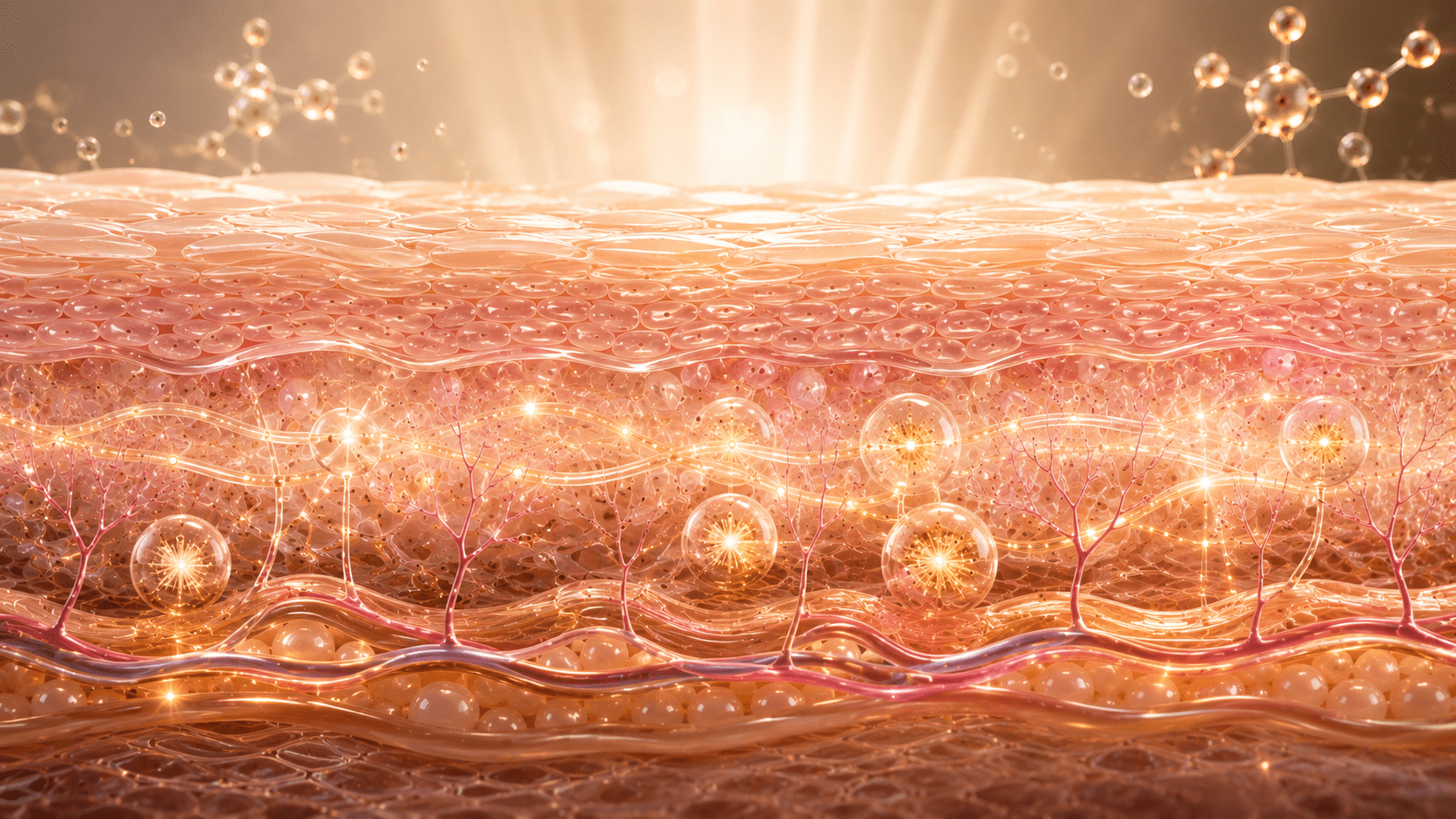
Laser pigmentation removal treatment at Brilliance Cosmocare works by delivering precisely calibrated pulses of laser energy into the skin at the depth where excess melanin is deposited. The laser energy is selectively absorbed by melanin pigment through the principle of selective photothermolysis – targeting the dark pigment while leaving surrounding non-pigmented tissue unaffected. The key mechanisms of laser pigmentation treatment include: Selective melanin absorption – laser wavelengths are chosen to match the absorption spectrum of melanin, ensuring energy is deposited preferentially in pigmented cells and melanin clusters Photoacoustic fragmentation – ultra-short Q-Switched laser pulses create a rapid mechanical shockwave within melanin granules, shattering them into microscopic fragments too small for the naked eye to see Immune-mediated clearance – macrophages engulf the fragmented melanin particles and transport them through the lymphatic system for elimination; this clearance continues for 4–8 weeks after each session Epidermal melanin targeting – superficial pigmentation (sunspots, freckles, PIH) located in the epidermis responds to direct laser fragmentation and is also cleared through accelerated epidermal turnover Dermal melanin targeting – deeper pigmentation (Nevus of Ota, dermal melasma, dermal melanocytosis) requires Q-Switched Nd:YAG at 1064nm wavelength to reach melanin deposits below the dermal-epidermal junction Low-fluence toning for melasma – specialised low-energy, multiple-pass protocols gently fragment melanin without triggering the inflammatory cascade that can worsen melasma on Indian skin Melanocyte normalisation – controlled laser stimulation can help regulate overactive melanocytes, reducing the rate of new melanin production in the treated area over time This multi-mechanism approach allows our dermatology team to match the laser protocol precisely to the type, depth, and behaviour of each patient’s pigmentation – a level of diagnostic precision and treatment customisation that topical products and chemical peels cannot achieve.

Laser Pigmentation Treatment Protocol at Our Mumbai Clinic

The pigmentation diagnosis, laser platform selection, parameter calibration, and complementary therapy design all directly determine treatment outcomes and safety. At Brilliance Cosmocare’s Andheri West clinic, our protocol follows a dermatologically rigorous approach at every step:

Comprehensive Pigmentation Diagnosis

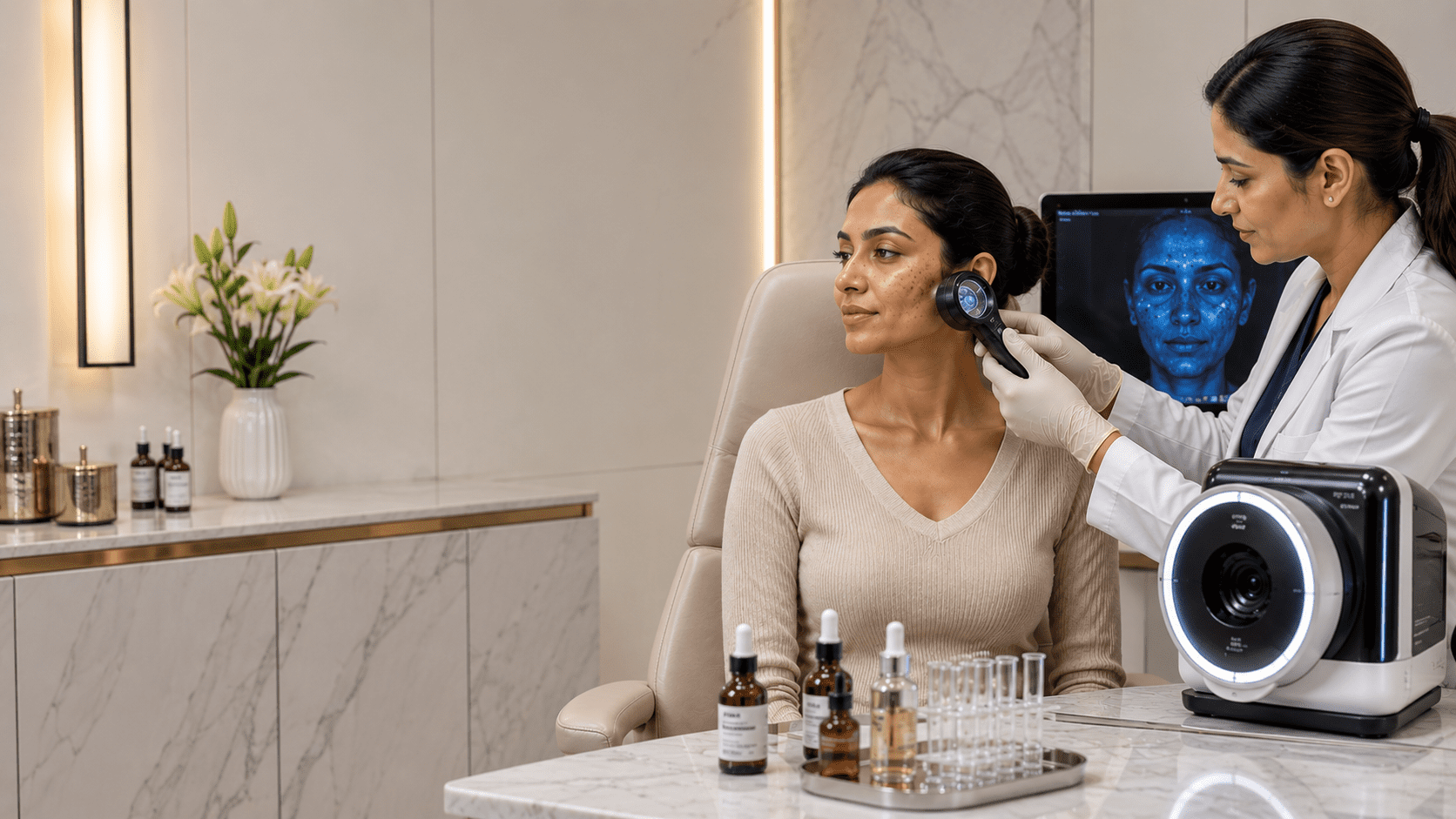
Detailed evaluation including Wood's lamp assessment (to determine epidermal vs dermal pigment depth), dermatoscopy, pigmentation mapping, and hormonal/medical history review to classify the exact pigmentation type before any laser is selected

Medical-Grade Laser Platforms

Q-Switched Nd:YAG (1064nm and 532nm), fractional lasers, and low-fluence toning protocols available – selected based on the specific pigmentation diagnosis, depth, and skin type
Fitzpatrick Skin Typing

Formal skin type classification for every patient to determine the safest laser parameters – critically important for Indian skin to prevent paradoxical darkening and rebound hyperpigmentation

Personalised Parameter Calibration

Wavelength, fluence, spot size, pulse duration, and number of passes are individually calibrated for each session based on pigmentation type, skin response, and treatment progress
Test Patch Protocol

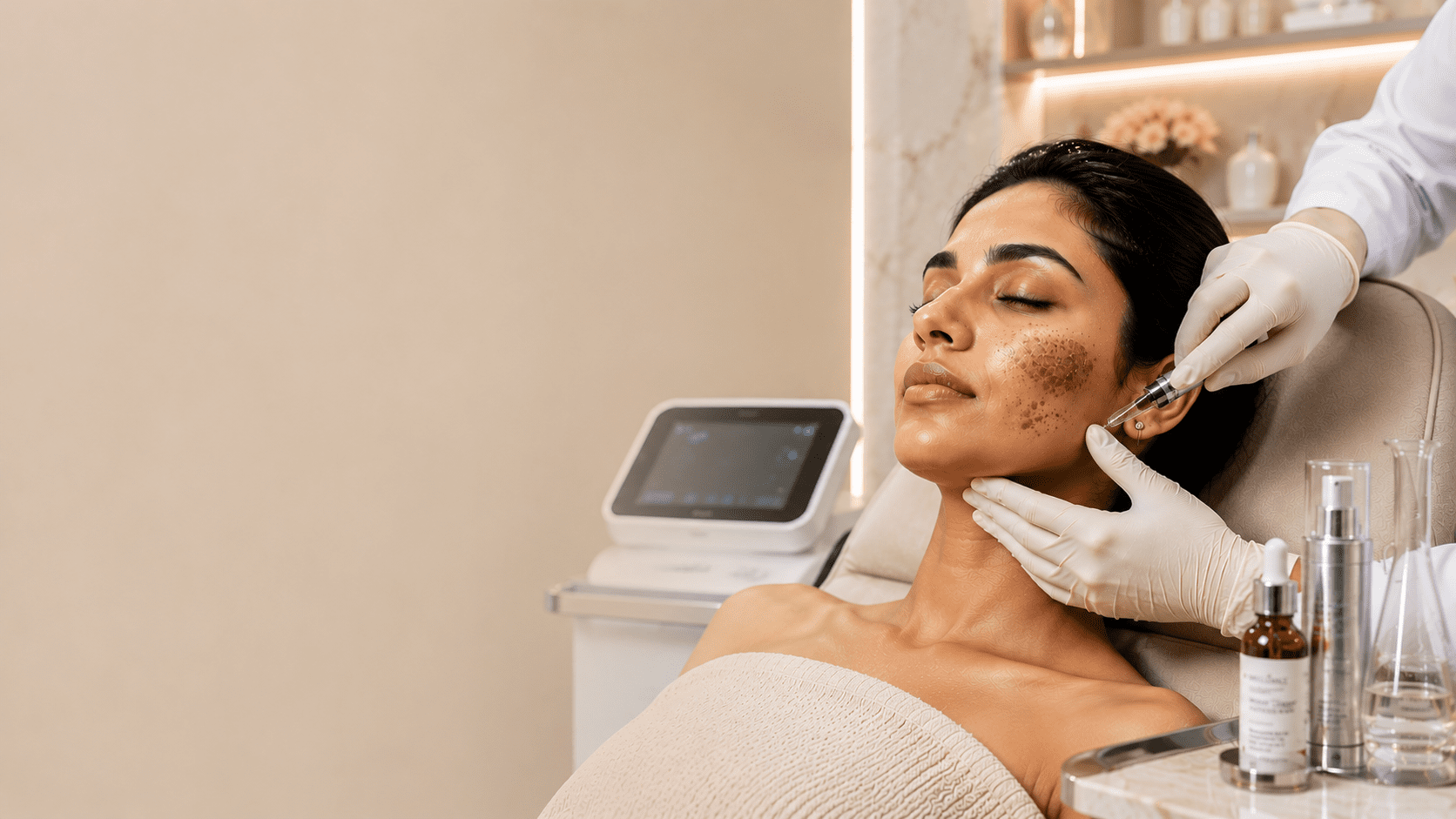
A test patch is mandatory for new patients – particularly critical for melasma and Indian skin – to assess pigment and skin response before full treatment

Sterile Clinical Environment

Laser treatment is integrated with a personalised topical depigmenting programme (hydroquinone, retinoids, vitamin C, tranexamic acid) and oral supplements when indicated for comprehensive melanin management
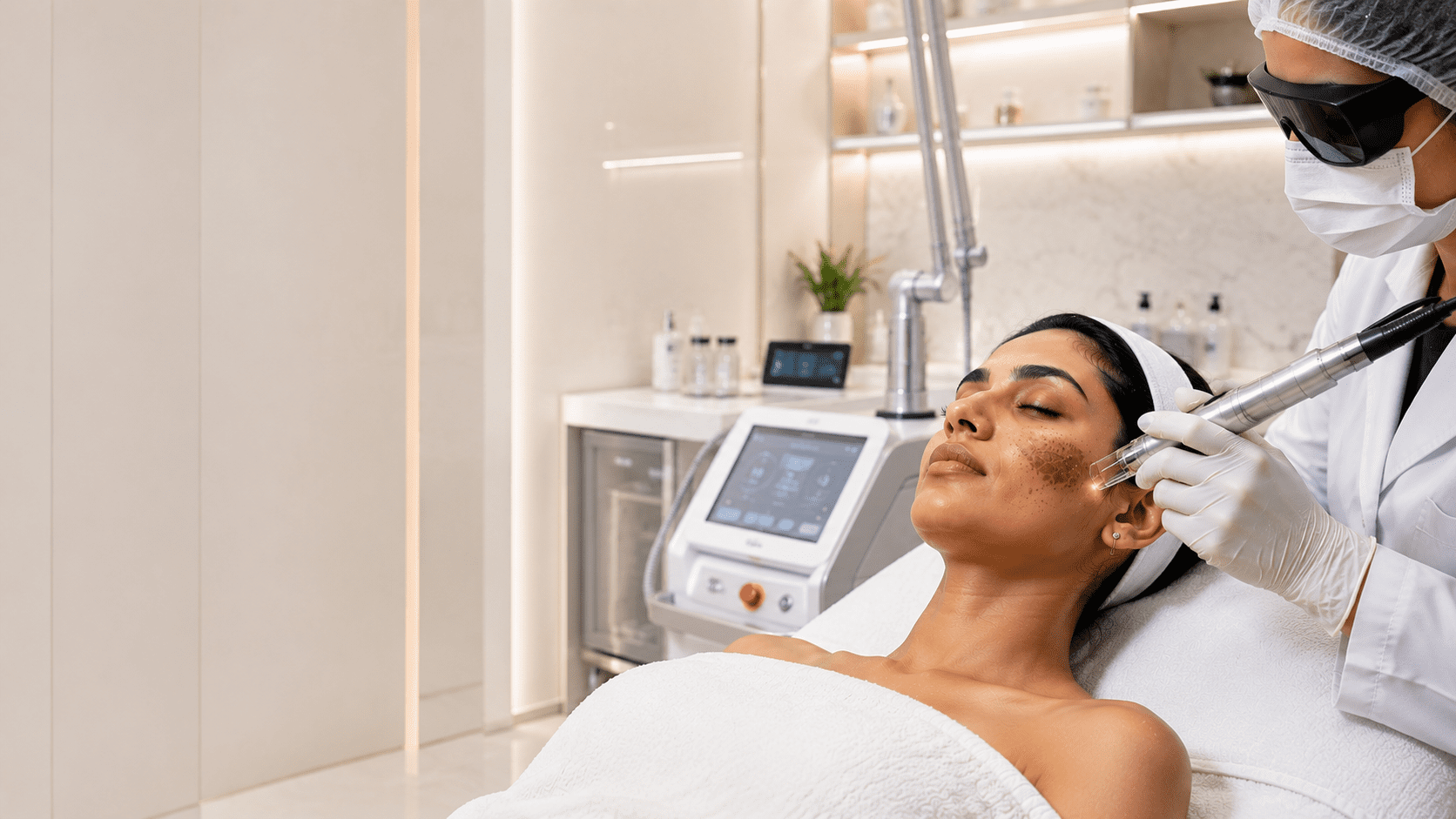
Sterile Clinical Environment

All sessions performed in a medically controlled, sterile clinic setting by qualified dermatologists with laser safety certification

Post-Session Skin Assessment

Immediate evaluation of skin response, pigment reaction, and any early signs of adverse response before discharge, with comprehensive aftercare instructions

The accuracy of the pigmentation diagnosis, the precision of the laser parameter calibration for Indian skin, and the integration of complementary depigmenting therapy are the three most critical variables in pigmentation treatment outcomes. Our Mumbai dermatology team applies the highest clinical standards at every step – particularly the diagnostic accuracy that prevents misidentification of pigmentation type, which is the most common cause of failed treatment at other clinics.

How Laser Treatment Produces Visible Pigmentation Improvement

Pigmentation improvement from laser treatment occurs through a progressive biological process. In the days and weeks following each session, the laser-fragmented melanin particles are cleared by the body’s immune system through lymphatic drainage, while accelerated epidermal turnover sheds superficial pigmented cells. The treated area progressively lightens as melanin density decreases. For Mumbai patients experiencing melasma, sunspots, PIH, or uneven skin tone, this means that dark patches and spots become progressively lighter with each treatment session. Superficial epidermal pigmentation (sunspots, freckles, mild PIH) often shows visible improvement after just 1–2 sessions. Deeper dermal pigmentation (melasma, Nevus of Ota, dermal melanocytosis) requires more sessions and benefits from the complementary topical and oral depigmenting protocols that suppress ongoing melanin production between laser sessions. This is why pigmentation management on Indian skin requires both active melanin clearance (laser) and ongoing melanin suppression (topical therapy and sun protection). At Brilliance Cosmocare, every pigmentation protocol integrates all three elements – laser treatment, depigmenting therapy, and photoprotection – for the most comprehensive and sustained results.

Who is an Ideal Candidate for Laser Pigmentation Treatment in Mumbai?

Laser pigmentation removal treatment is appropriate for men and women in Mumbai experiencing hyperpigmentation, dark spots, melasma, uneven skin tone, or pigment irregularities that have not responded adequately to topical treatments alone. The most important clinical criteria are accurate pigmentation diagnosis and a commitment to the complementary depigmenting and sun protection protocols that are essential for sustained results on Indian skin. You are a strong candidate for laser pigmentation treatment at our Mumbai clinic if you have stubborn dark spots, patches, or uneven tone that topical creams have not adequately improved, have been diagnosed with melasma, PIH, sunspots, age spots, or dermal melanocytosis, are willing to follow a strict daily SPF 50+ sun protection protocol throughout and after treatment, are committed to the prescribed topical depigmenting routine between laser sessions, have realistic expectations about progressive multi-session improvement, and are in good general health without active skin infection in the treatment area. Key insight: Pigmentation treatment on Indian skin is a marathon, not a sprint. The combination of laser clearance, topical suppression, and rigorous sun protection produces the best results. Patients who commit to all three elements achieve significantly more complete and sustained improvement than those relying on laser treatment alone.

Who is NOT a Suitable Candidate?

The following individuals require a detailed medical consultation at our Mumbai clinic before undergoing laser pigmentation treatment, as certain conditions may contraindicate or require modification of the standard protocol:

Pregnant or Breastfeeding Women

Active Skin Infection or Severe Acne in Treatment Area
Recent Tan or Sunburn on Treatment Area

Patients Currently on Isotretinoin (or within 6 months of completion)

Patients on Photosensitising Medications

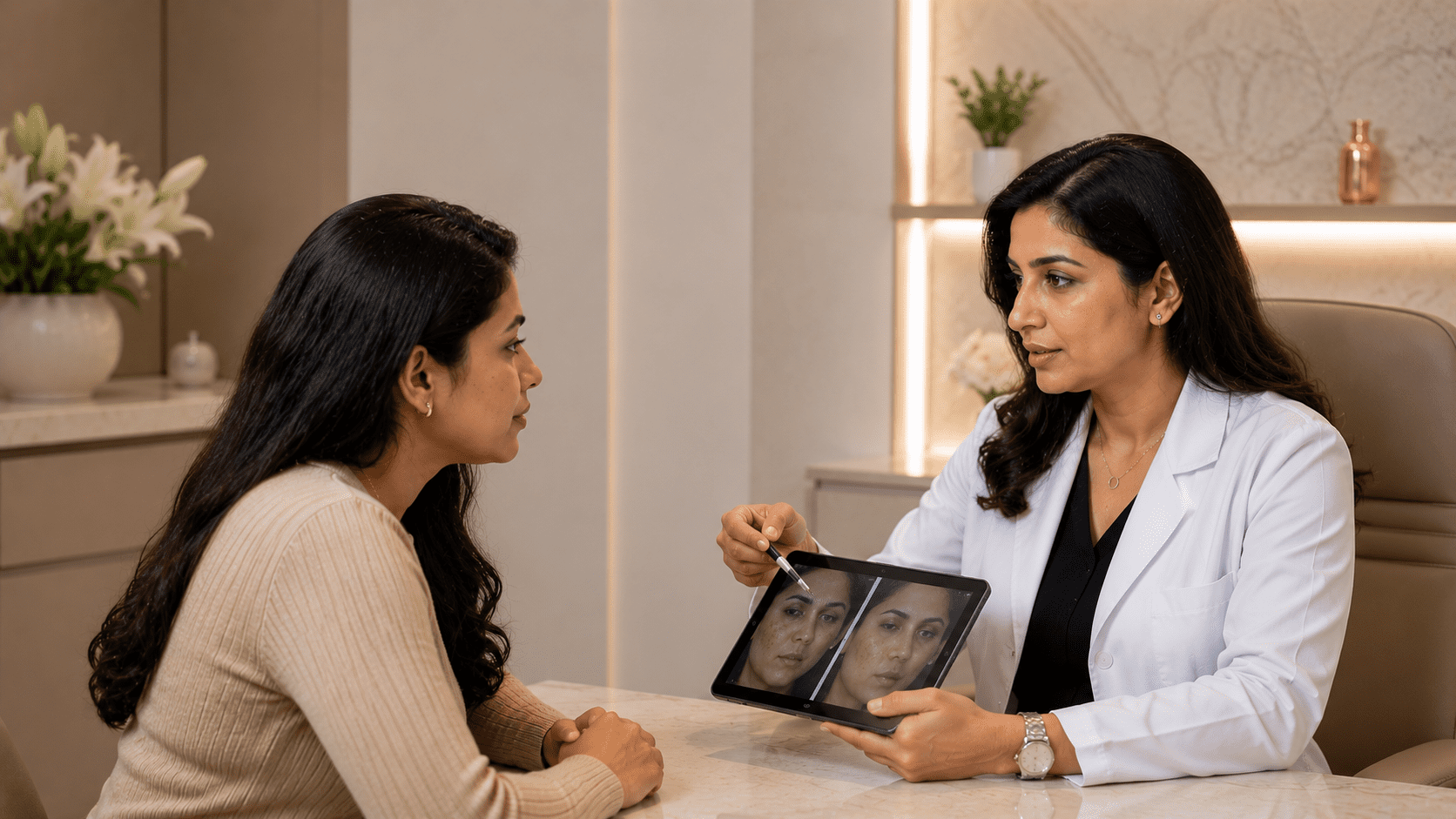
Our dermatology team conducts a thorough pigmentation diagnosis, Wood’s lamp assessment, Fitzpatrick skin typing, and complete medical history review at your initial consultation before any laser pigmentation protocol is recommended.

Benefits of Laser Pigmentation Removal Treatment in Mumbai

Laser pigmentation treatment at Brilliance Cosmocare offers clinically documented benefits for men and women across Mumbai experiencing hyperpigmentation, dark spots, or uneven skin tone.

Key Benefits

Many Mumbai patients notice visible lightening of superficial pigmentation (sunspots, freckles, mild PIH) after the first 1–2 sessions, with deeper pigmentation and melasma showing progressive improvement across the structured treatment programme.

Laser Pigmentation Treatment Process – Step by Step

Step 1

Pigmentation Diagnosis and Consultation

A comprehensive dermatological evaluation is conducted before beginning your treatment, including Wood's lamp assessment to determine pigment depth (epidermal vs dermal vs mixed), dermatoscopy, pigmentation mapping, hormonal and medical history review, and Fitzpatrick skin typing. Based on this, a personalised treatment plan is created specifying the laser platform, parameters, session count, complementary topical therapy, and sun protection protocol.

Step 2

Laser Pigmentation Treatment Session

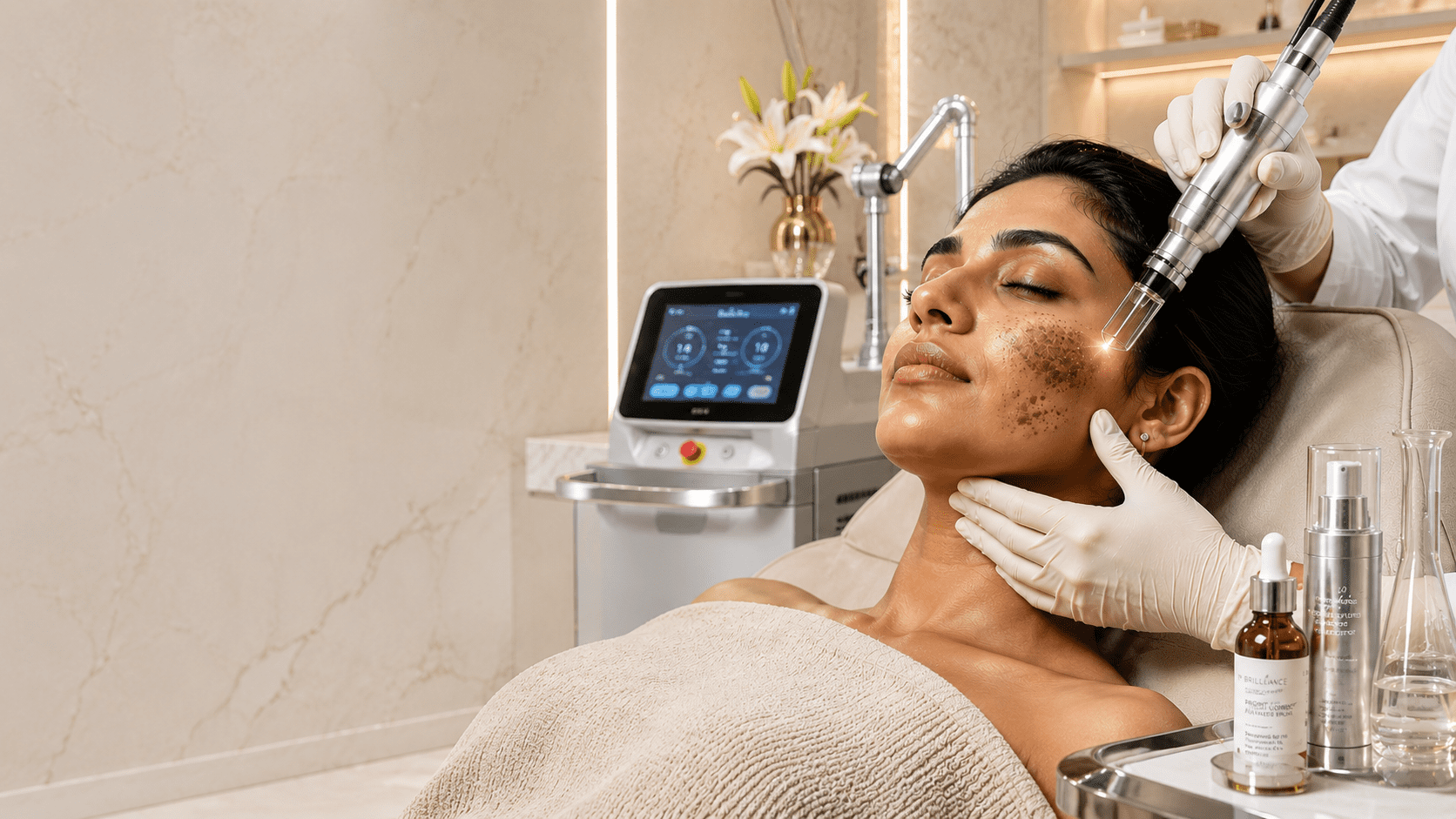
The treatment area is cleansed. Topical anaesthetic may be applied for comfort depending on the protocol. The selected laser is calibrated to the prescribed parameters and systematically applied across the pigmented areas. For Q-Switched treatment, patients may feel a brief snapping sensation with each pulse. For low-fluence toning, the sensation is mild warmth. Sessions last approximately 20–45 minutes. Mild redness, warmth, or transient darkening of treated spots is a normal immediate response.

Step 3

Post-Session Care and Depigmenting Protocol

Soothing gel is applied after treatment. Comprehensive aftercare instructions are provided, including strict SPF 50+ application every 2–3 hours during daylight, avoiding direct sun exposure, continuing the prescribed depigmenting topical routine, avoiding retinoids and exfoliants for 5–7 days after ablative treatments, and using only gentle skincare during the healing period. Treated sunspots may form a thin micro-crust that naturally flakes off within 5–7 days revealing lighter skin beneath.

Step 4

Progress Review and Ongoing Management

Follow-up assessment at each subsequent session evaluates pigment clearance, skin response, and any signs of rebound or recurrence. Laser parameters and topical therapy may be refined based on progress. Photographic documentation tracks improvement objectively. Long-term maintenance involves ongoing topical depigmenting therapy, strict photoprotection, and periodic laser touch-ups as needed.

Clinical Laser Pigmentation Treatment in Mumbai vs Over-the-Counter Brightening Products

Factor
Over-the-Counter Brightening Products

Mild acne

3–4 sessions

Moderate acne

4–6 sessions

Severe or hormonal acne

6–8 sessions

Acne marks / PIH

Additional sessions may be incorporated

Acne scars

Additional sessions may be incorporated

Topical brightening products play an essential supporting role in pigmentation management – particularly for melanin suppression between laser sessions and long-term maintenance. However, for established, stubborn, or deep pigmentation that has not responded to topical therapy alone, laser treatment provides the direct melanin clearance that topical products cannot achieve.

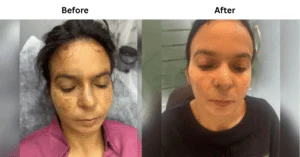
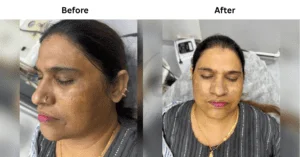
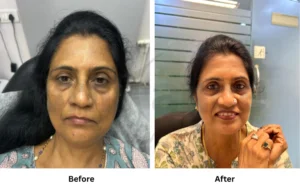
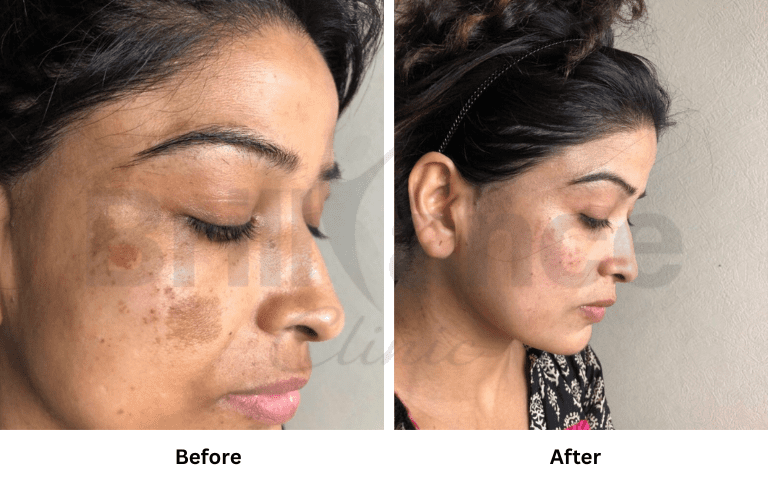
Laser Pigmentation Treatment Before and After – Real Patient Results in Mumbai

Pre-treatment photographs and pigmentation assessments are documented at the start of your programme to objectively track progressive improvement in pigment clearance, skin tone evenness, and overall complexion quality across sessions.

What Realistic Pigmentation Treatment Results Look Like

Laser pigmentation treatment produces progressive improvement. A realistic outcome timeline for Mumbai patients:
  • After Session 1 Superficial pigmentation (sunspots, freckles) may darken transiently before flaking off within 5–7 days, revealing lighter skin. Mild redness resolves within 24–48 hours. Deep pigmentation begins the fragmentation and clearance process. Overall skin tone appears slightly brighter as the initial melanin clearance takes effect.
  • Sessions 2–4 Progressive lightening of treated areas becomes clearly visible. Sunspots and discrete lesions show significant clearance. Melasma and PIH show gradual improvement. Overall skin tone becomes noticeably more even and luminous. The complementary topical protocol supports ongoing melanin suppression between sessions.
  • Sessions 5–8+ Maximum pigment clearance is achieved for the treated condition. Overall skin tone is significantly more even and clear. Deep pigmentation conditions (melasma, dermal melanocytosis) show substantial improvement. Long-term maintenance with topical therapy and SPF prevents recurrence.
The number of sessions required varies by pigmentation type: superficial sunspots and freckles may clear in 2–3 sessions, PIH typically requires 3–5 sessions, and melasma requires 6–10+ sessions combined with ongoing topical and oral therapy. Melasma in particular is a chronic condition requiring long-term management rather than a one-time cure.

When Will You See Results from Laser Pigmentation Treatment in Mumbai?

Results from laser pigmentation treatment vary by pigmentation type but build progressively across sessions.

Days 3–7 (After Session 1)

Superficial spots may darken and form a thin micro-crust that flakes off within 5–7 days, revealing lighter skin. Redness resolves within 24–48 hours. Initial brightening of overall skin tone is visible. The melanin clearance cascade has begun.
Sessions 2–4

Progressive and visible lightening of treated pigmentation. Sunspots and discrete marks show significant improvement. Melasma gradually fades with combined laser and topical protocols. Overall complexion becomes noticeably more even.
Sessions 5–8+

Maximum clearance achieved for the condition being treated. Skin tone is significantly more even and luminous. Deep conditions show substantial but gradual improvement. Maintenance protocols sustain results long-term.

Consistency with the full treatment programme, rigorous daily SPF 50+ protection, and adherence to the prescribed depigmenting routine between sessions produces the best and most sustained pigmentation reduction outcomes on Indian skin.

Laser Pigmentation Treatment Plan for Mumbai Patients

Sessions 1–2

Initial Clearance Phase

First laser sessions begin fragmenting and clearing surface melanin deposits. Superficial pigmentation shows early improvement. Complementary topical depigmenting therapy is initiated. SPF protocol is established. Test patch response guides parameter refinement for subsequent sessions.

Sessions 3–5

Progressive Lightening Phase

Cumulative melanin clearance produces visible, measurable improvement. Deeper pigmentation responds progressively. Topical and oral therapy suppress new melanin production between sessions. Parameters may be adjusted based on individual response.

Sessions 6+ and Maintenance

Maximum Clearance and Long-Term Management Phase

Optimal pigment clearance is achieved. For chronic conditions like melasma, long-term maintenance includes ongoing topical therapy, strict SPF, and periodic laser touch-ups. For discrete lesions (sunspots, age spots), clearance is typically complete and sustained with photoprotection.

Clinical Evidence and Scientific Basis of Laser Pigmentation Treatment

The laser pigmentation protocols used at Brilliance Cosmocare’s Mumbai clinic are supported by a substantial body of peer-reviewed research in pigmentation science and dermatological laser medicine.
Evidence base for laser pigmentation treatment: Q-Switched Nd:YAG evidence – published clinical studies demonstrate effective melanin fragmentation and clearance for sunspots, lentigines, PIH, Nevus of Ota, and dermal melanocytosis using Q-Switched technology at 1064nm and 532nm wavelengths Low-fluence laser toning for melasma – clinical trials demonstrate progressive melasma improvement with specialised low-energy, sub-threshold Q-Switched protocols that fragment melanin without triggering inflammatory rebound Safety on Indian skin – extensive published data on Fitzpatrick III–VI patients confirms that Q-Switched Nd:YAG at 1064nm wavelength provides the safest melanin targeting on darker skin types, with reduced epidermal melanin interaction compared to shorter wavelengths Combination therapy superiority – systematic reviews confirm that laser treatment combined with topical depigmenting agents and sun protection produces significantly better and more sustained results than any single modality alone Melanin biology – the selective photothermolysis principle and melanin absorption spectra are comprehensively documented, providing the scientific foundation for wavelength selection and parameter optimisation
Clinical evidence consistently supports the combination of laser melanin clearance, topical melanin suppression, and rigorous photoprotection as the most effective approach to pigmentation management on Indian skin – the exact multi-modal protocol used at our Mumbai dermatology clinic.

Pre and Post Care for Laser Pigmentation Treatment in Mumbai

Following your pre-treatment and post-treatment care instructions is essential for pigmentation treatment safety, optimal melanin clearance, and prevention of rebound hyperpigmentation – the single most important consideration for Indian skin types in Mumbai’s high-UV environment.
Before Your Laser Pigmentation Session
After Your Laser Pigmentation Session

Discontinue retinoids and exfoliating acids (AHAs, BHAs) 3–5 days before your session

Apply broad-spectrum SPF 50 sunscreen every morning - without exception. This is the most critical post-care instruction for Mumbai patients given year-round UV exposure.

Avoid waxing or threading in the treatment area for at least 5 days prior


Avoid direct sun exposure for at least 72 hours after a peel or laser session

Inform your doctor about any current medications - particularly oral antibiotics, isotretinoin, or hormonal therapy

Use only the prescribed gentle cleanser and moisturiser - no active skincare ingredients for 48 hours post-treatment

Do not apply makeup on the day of your session

Do not scrub, exfoliate, or use face tools on treated skin

Avoid excessive sun exposure or heat exposure in the 48 hours before treatment - relevant given Mumbai's outdoor commuting conditions

Avoid picking or squeezing active pimples

Avoid picking or squeezing active pimples

Apply any prescribed preparation cream or primer as directed

Sun protection compliance is the single most important factor determining pigmentation treatment success on Indian skin. Mumbai’s year-round intense UV means that even brief unprotected sun exposure during the treatment programme can trigger melanin reactivation and undo weeks of progress.

Laser Pigmentation Treatment in Mumbai vs Other Pigmentation Methods

Laser vs Chemical Peels for Pigmentation in Mumbai

Chemical peels use controlled acid exfoliation to remove pigmented epidermal cells and stimulate fresh skin renewal. Superficial peels (glycolic, lactic, mandelic) can improve mild surface pigmentation and dullness. Medium peels (TCA) can address moderate PIH but carry significant risk of post-inflammatory hyperpigmentation on Indian skin. Laser pigmentation treatment delivers energy directly to melanin deposits at both epidermal and dermal depths, producing more targeted, measurable, and significant pigment clearance than chemical peels alone. For Indian skin, laser treatment with the correct wavelength and parameters offers a more controlled and predictable outcome than medium-to-deep chemical peels. Chemical peels and laser treatment are often used in combination at our clinic – superficial peels for ongoing maintenance between laser sessions, with laser providing the primary melanin clearance.

Laser vs Oral Tranexamic Acid for Melasma in Mumbai

Oral tranexamic acid is a systemic anti-pigmentation medication that inhibits melanin synthesis at the cellular level by blocking plasminogen activation in melanocytes. It is increasingly used as an adjunct therapy for melasma with published evidence supporting its efficacy. Laser toning treatment – directly fragments and clears existing melanin deposits at both epidermal and dermal depths through targeted energy delivery Oral tranexamic acid – systemically suppresses new melanin production but cannot clear existing melanin deposits already present in the skin For melasma management on Indian skin, the most effective clinical approach combines laser toning (to clear existing pigment) with oral tranexamic acid (to suppress new production) and topical therapy – the multi-modal protocol used at Brilliance Cosmocare.

Pigmentation Treatment at Brilliance Cosmocare vs Generic Clinics in Mumbai

Factor Generic Pigmentation Clinic Brilliance Cosmocare Pigmentation Treatment
Pigmentation diagnosis Often no Wood's lamp assessment or pigment depth analysis – guesswork-based treatment Comprehensive pigmentation diagnostics including Wood's lamp, dermatoscopy, and pigment depth classification before any laser is selected
Laser platform May use IPL or inappropriate lasers that are unsafe for Indian skin pigmentation Medical-grade Q-Switched Nd:YAG with dual wavelengths and low-fluence toning capability – specifically validated for Indian skin safety
Melasma expertise Often treated with standard laser protocols that can worsen melasma through inflammatory rebound Specialised low-fluence toning protocols designed specifically for safe melasma management on Indian skin
Complementary therapy Often laser-only without topical or oral depigmenting support Integrated multi-modal protocol combining laser clearance, topical depigmenting therapy, oral supplements, and strict photoprotection
Indian skin safety May use parameters that risk paradoxical darkening or rebound hyperpigmentation Fitzpatrick skin typing, mandatory test patches, and parameters specifically calibrated to prevent rebound on Indian skin
Follow-up protocol Often no structured follow-up or recurrence monitoring Photographic documentation, progress tracking, and long-term maintenance planning at every visit
The accuracy of the pigmentation diagnosis, the safety of the laser parameters on Indian skin, and the integration of complementary depigmenting therapy are the three factors that separate successful pigmentation treatment from treatments that make pigmentation worse. At Brilliance Cosmocare, all three are held to the highest clinical standard.

Laser Pigmentation Treatment Before and After Results at Brilliance Cosmocare Mumbai

Pre-treatment photographs and pigmentation assessments (including Wood’s lamp documentation) are taken at the start of your programme to objectively track progressive pigment clearance, skin tone improvement, and overall complexion quality across treatment sessions.

Cost of Laser Pigmentation Removal Treatment in Mumbai

Pigmentation Type and Severity

Superficial sunspots require fewer sessions than deep melasma or dermal melanocytosis – the pigmentation diagnosis is the primary cost variable

Treatment Area

Full face treatment costs more per session than localised treatment of a few discrete spots or a small patch

Number of Sessions

Total programme cost depends on the estimated session count for your specific pigmentation type – sunspots may need 2–3 sessions while melasma may require 6–10+

Laser Platform Used

Wavelength, fluence, spot size, pulse duration, and number of passes are individually calibrated for each session based on pigmentation type, skin response, and treatment progress

Complementary Therapy

Topical depigmenting products and oral supplements prescribed as part of the integrated protocol are priced separately from laser sessions

Maintenance Programme

Periodic maintenance sessions and ongoing topical therapy for chronic conditions like melasma are priced separately from the initial treatment programme

Detailed pricing is provided at your initial consultation based on your specific pigmentation diagnosis and treatment plan. Mumbai patients can call or book online to confirm costs before committing. Full transparency – no hidden charges.

What Our Mumbai Patients Say About Laser Pigmentation Treatment at Brilliance Cosmocare

Real feedback from patients who have experienced our laser pigmentation removal treatment in Andheri West, Mumbai.

Why Brilliance Cosmocare is the Best Laser Pigmentation Clinic in Mumbai | Andheri West

Comprehensive pigmentation diagnostics – Wood’s lamp assessment, dermatoscopy, and pigment depth classification performed before any treatment decision is made Dermatologist-led treatment – all laser pigmentation sessions are designed and supervised by qualified dermatologists with expertise in pigmentation science and laser medicine Medical-grade Q-Switched Nd:YAG laser – dual-wavelength system (1064nm and 532nm) with low-fluence toning capability for safe, effective treatment across all pigmentation types Indian skin safety focus – Fitzpatrick skin typing, mandatory test patches, and parameters specifically calibrated to prevent paradoxical darkening and rebound hyperpigmentation Multi-modal integrated approach – laser clearance combined with topical depigmenting therapy, oral supplements, and strict photoprotection for comprehensive, sustained results Melasma specialisation – specific expertise in the safe management of melasma on Indian skin using low-fluence protocols that avoid inflammatory rebound Objective progress tracking – photographic documentation and pigmentation assessment at every session to measure and track improvement Transparent consultation – full explanation of pigmentation diagnosis, recommended treatment, expected outcomes, cost, and realistic timeline before anything begins Convenient Mumbai location – Andheri West, easily accessible from Juhu, Versova, D.N. Nagar, Lokhandwala, Bandra, and Santacruz

Frequently Asked Questions About Laser Pigmentation Treatment by Brilliance Cosmocare – Expert Medical Opinion | Mumbai

Hyperpigmentation, melasma, dark spots, and uneven skin tone are among the most common and challenging dermatological concerns affecting men and women across Mumbai – driven by the combination of intense year-round UV exposure, chronic pollution, and the melanin-rich nature of Indian skin. At Brilliance Cosmocare, located near DN Nagar Metro Station in Andheri West, we provide advanced laser pigmentation removal treatment designed to safely fragment and clear excess melanin, restore even skin tone, and prevent pigmentation recurrence with medically supervised precision. Serving patients from Andheri West, Lokhandwala, Versova, Juhu, Goregaon, Bandra, Powai, Borivali, Navi Mumbai, Thane, and across Mumbai, our clinic focuses on evidence-based pigmentation management using comprehensive diagnostics, Indian skin-safe laser protocols, and integrated multi-modal treatment plans.
How does laser pigmentation removal work?
Laser pigmentation treatment uses precisely calibrated laser energy that is selectively absorbed by melanin pigment in the skin. The laser fragments excess melanin into microscopic particles, which are then naturally cleared by the body's immune system through the lymphatic system. This produces progressive lightening and clearance of dark spots, patches, and uneven pigmentation over a structured treatment programme.
Is laser pigmentation treatment safe on Indian skin?
Yes – when performed by qualified dermatologists using the correct laser platform with parameters specifically calibrated for Indian skin. At Brilliance Cosmocare, we use Q-Switched Nd:YAG at 1064nm wavelength, which has the strongest published safety profile on Fitzpatrick III–VI skin. Mandatory test patches, Fitzpatrick skin typing, and low-fluence protocols for sensitive conditions like melasma ensure safe treatment with minimal risk of rebound hyperpigmentation.
How many sessions are needed for pigmentation removal?
The number of sessions varies by pigmentation type: superficial sunspots and freckles may clear in 2–3 sessions, post-inflammatory hyperpigmentation typically requires 3–5 sessions, and melasma – a chronic condition – typically requires 6–10+ sessions combined with ongoing topical and oral therapy. A personalised estimate is provided at your consultation based on your specific diagnosis.
Can melasma be permanently cured?
Melasma is a chronic pigmentation condition influenced by hormones, UV exposure, and genetics. It can be effectively managed and significantly improved with the right combination of laser toning, topical depigmenting therapy, and strict sun protection – but it is not a condition that can be permanently cured in most cases. Long-term maintenance therapy is typically required to sustain improvement and prevent recurrence.
What is the difference between epidermal and dermal pigmentation?
Epidermal pigmentation (sunspots, freckles, mild PIH) is located in the outer skin layer and typically appears brown. It responds faster to laser treatment and topical therapy. Dermal pigmentation (Nevus of Ota, deep melasma, dermal melanocytosis) is located deeper in the skin and appears blue-grey. It requires more sessions and longer-wavelength laser energy (1064nm) to reach. Wood's lamp assessment at our clinic determines your pigmentation depth before treatment.
How soon will I see results?
Superficial pigmentation often shows visible improvement after the first 1–2 sessions, with treated spots darkening transiently before flaking off within 5–7 days to reveal lighter skin. Deeper pigmentation and melasma improve gradually across multiple sessions. Progressive improvement in overall skin tone and evenness continues throughout the programme.
Why is sunscreen so important during pigmentation treatment?
Sun protection is the single most important factor in pigmentation treatment success on Indian skin. UV exposure stimulates melanocytes to produce new melanin, which can undo weeks of laser treatment progress. In Mumbai's year-round high-UV environment, SPF 50+ applied every 2–3 hours during daylight is mandatory throughout and after your treatment programme. Skipping sunscreen is the most common reason pigmentation treatments fail.
Can pigmentation treatment be combined with other procedures?
Yes. Laser pigmentation treatment combines well with chemical peels (for surface exfoliation), PRP (for overall skin quality improvement), and Profhilo (for hydration and firmness). Our dermatologists frequently design combination protocols for Mumbai patients seeking comprehensive skin rejuvenation alongside pigmentation correction.
Can men get laser pigmentation treatment?
Absolutely. Hyperpigmentation, sunspots, and uneven skin tone affect men equally. Male patients at Brilliance Cosmocare commonly seek laser pigmentation treatment for sun damage, post-acne marks, and overall skin tone improvement. Our protocols are equally effective for male patients.
Is laser pigmentation treatment available in Andheri, Mumbai?
Yes. Brilliance Cosmocare in Andheri West offers dermatologist-supervised laser pigmentation removal treatment for patients from across Mumbai. Our clinic is conveniently located near DN Nagar Metro Station, making it easily accessible for patients from Andheri, Lokhandwala, Versova, Juhu, Bandra, Goregaon, Powai, Malad, Borivali, Thane, Navi Mumbai, and other parts of the city.

Schedule Appointment

Fill out the form below, and we will be in touch shortly.

Home Page Form