
Expert insights into cheek acne causes and clinically-proven treatment solutions
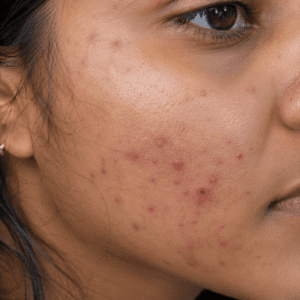
The Frustration of Persistent Cheek Acne
You wake up, look in the mirror, and there it is again—another blemish on your cheek. Maybe two. Perhaps a cluster you thought had finally disappeared last week. If you’ve been battling recurring acne on your cheeks, you’re not alone. This is one of the most common concerns we address at our clinic, and here’s what we know for certain: cheek acne isn’t random, and it’s definitely not a sign of poor hygiene or character. It’s your skin telling you something specific is happening beneath the surface.
The question isn’t ‘why do I have acne?’ anymore—it’s ‘why specifically on my cheeks, and why does it keep coming back?’ This guide reveals exactly what’s happening and how we can stop it.
Understanding Cheek Acne: The Root Causes
Your cheeks are highly prone to acne for anatomical reasons. This area has a higher density of sebaceous glands than many realize, and the skin here is particularly sensitive to inflammation. When acne develops specifically on the cheeks, it typically signals one of these core issues:
1. Hormonal Fluctuations
Hormones are perhaps the most underestimated culprit in cheek acne. Androgens—naturally occurring hormones in both men and women—stimulate sebum production. If your body produces excess sebum or your skin is overly sensitive to normal hormonal levels, the result is often acne concentrated on the cheeks and jawline. Women frequently notice cheek breakouts during specific phases of their menstrual cycle, and this isn’t coincidence—it’s hormonal.
2. Bacterial Colonization & Pore Clogging
Propionibacterium acnes (P. acnes) bacteria thrive in sebum-rich environments. On the cheeks, this bacteria can proliferate if your pores become congested with dead skin cells and excess oil. Many people use products that temporarily dry the skin surface but don’t address underlying congestion—hence the recurring nature of cheek breakouts.
3. Skincare Mistakes & Product Sensitivities
Here’s what surprises many people: too much exfoliation or the wrong products can trigger cheek acne. Over-stripping your skin, using products with high alcohol content, or applying heavy moisturizers without actives that regulate sebum can actually create an environment where acne thrives. Additionally, comedogenic products (those that clog pores) are a silent culprit.
4. Friction & Environmental Factors
How often do you touch your cheeks? Resting your chin on your hands, sleeping on the same side every night, tight phone contact against your cheek—these friction points create pressure-induced inflammation and bacterial transfer. Environmental pollution in Mumbai’s climate can exacerbate this, clogging pores with particulate matter.
5. Diet & Lifestyle
While not a universal trigger, certain dietary choices increase systemic inflammation, which often manifests as cheek acne. High glycemic foods, excess dairy, and dehydration can compromise your skin’s barrier function, making it more vulnerable to breakouts.
Why Does Cheek Acne Keep Recurring?
The cycle of recurring cheek acne frustrates because most people treat the symptom, not the cause. A spot treatment might clear visible pimples temporarily, but if the underlying trigger—whether hormonal, bacterial, or environmental—isn’t addressed, acne returns within days or weeks.
Additionally, the cheek area is uniquely prone to what we call ‘post-inflammatory hyperpigmentation.’ Even after acne clears, dark marks remain, making it feel like the acne never left. This is why recurring acne on the cheeks can feel like a never-ending cycle.
The key insight? Cheek acne requires a multi-pronged approach that identifies your specific trigger and combines targeted treatments with preventative skincare.
Clinical Treatment Solutions for Cheek Acne
At Brilliance Cosmocare Skin Clinic, we don’t believe in one-size-fits-all acne treatment. After a thorough skin assessment, we typically recommend a combination of the following:
Medical-Grade Skincare
Prescription-strength retinoids normalize skin cell turnover, preventing pore congestion before it starts. We often recommend adapalene or tretinoin for regular use, combined with salicylic acid or azelaic acid to address bacterial growth. The key is professional guidance—over-the-counter versions rarely achieve the same results.
Chemical Peels & Professional Extractions
Glycolic acid or salicylic acid peels exfoliate congested skin and reduce comedones. We perform professional extractions under controlled conditions to clear deeply embedded sebum and bacteria without causing scarring.
Laser & Light Therapies
Blue light therapy targets P. acnes bacteria directly, while certain laser treatments reduce sebaceous gland activity and improve skin texture. These are particularly effective for recurring, resistant cheek acne and can simultaneously address post-inflammatory marks.
Hormonal Management (When Appropriate)
For patients with clear hormonal triggers, we coordinate with physicians to discuss oral contraceptives or anti-androgen medications. These work systemically to reduce sebum production at the source.
Customized Skincare Regimen
We move beyond general product recommendations. Our clinic creates a personalized routine that cleanses effectively, eliminates trigger ingredients, and supports your skin barrier while actively fighting acne.
When Should You See a Dermatologist for Cheek Acne?
If any of these apply to you, a professional consultation is essential:
- Your acne has persisted for more than 8-12 weeks despite consistent home treatment
- You’re experiencing painful, deep cystic acne on your cheeks
- Acne is leaving scars or significant post-inflammatory hyperpigmentation
- Your breakouts correlate with your menstrual cycle
- Over-the-counter treatments have made your skin worse
- Acne is affecting your confidence or quality of life
Professional diagnosis saves months of trial-and-error and prevents further skin damage. What seems like permanent cheek acne often becomes completely manageable once the root cause is identified.
Your Cheek Acne Deserves Expert Care
Recurring acne on your cheeks is frustrating, but it’s also entirely treatable. The difference between continuing to struggle and finally seeing clear skin often comes down to one professional consultation. At Brilliance Cosmocare Skin Clinic, we combine dermatological expertise with cutting-edge technology and personalized care to address not just what you see, but what’s causing it.
Ready to get clarity on your cheek acne? Schedule a consultation with our team today. We’ll identify your specific triggers and create a treatment plan designed for your skin.
Frequently Asked Questions About Cheek Acne
Q1: Can diet really cause acne on my cheeks?
While acne is multifactorial, diet plays a supporting role. High glycemic index foods and excess dairy can increase systemic inflammation, which may trigger or worsen cheek acne in predisposed individuals. We recommend tracking your breakouts against your diet to identify personal triggers. Hydration is also crucial—dehydrated skin produces more sebum as a compensatory mechanism.
Q2: Is touching my cheeks or using my phone really making my acne worse?
Yes. Friction and contact transfer bacteria and irritants to your cheeks, exacerbating inflammation. We call this ‘acne mechanica.’ Your phone harbors countless bacteria. If you use it frequently against your cheek, you’re essentially inoculating your skin with acne-causing organisms. Clean your phone regularly, try using earbuds, and make a conscious effort to minimize cheek contact with your hands and chin.
Q3: How long before I see results from acne treatment?
This depends on treatment type. Medical-grade topicals typically show improvement in 6-8 weeks. Professional treatments like peels or laser may show visible results within 2-4 weeks. Hormonal treatments take 2-3 months to affect sebum production. Patience is essential—skin cell turnover takes time. We recommend committing to a treatment plan for at least 8-12 weeks before assessing effectiveness.
Q4: Will my cheek acne leave permanent scars?
Not necessarily. Early intervention is key. Inflammatory acne can cause permanent scarring if left untreated, but most post-acne marks are either temporary hyperpigmentation (which fades in months) or superficial indentation that improves with treatment. At Brilliance Cosmocare, we offer advanced scar treatment options including microneedling, laser resurfacing, and chemical peels. The sooner you address your acne, the lower your scarring risk.